
What's Happening?
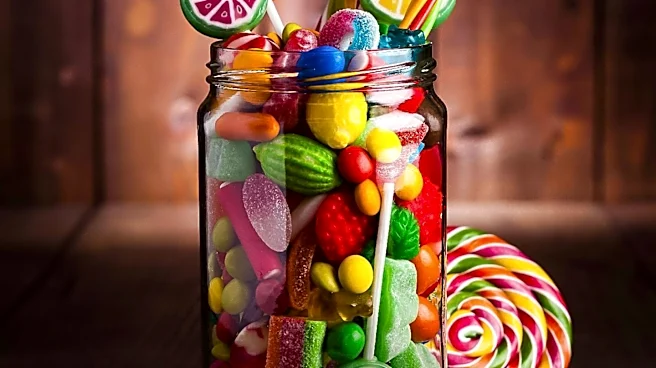
The confectionery sector is experiencing a significant trend driven by nostalgia, with brands reintroducing retro flavors, original wrappers, and classic recipes. This approach is seen in actions by companies
like Mondelēz International, Nestlé, and Mars, Inc., which are reviving heritage branding and discontinued products. Mohammed Nadeem Hussain, lead analyst at Mordor Intelligence, identifies emotional connection as the primary reason for nostalgia's enduring dominance in the industry. Consumers are drawn to these products because taste, smell, and appearance can trigger memories of childhood, family occasions, and other significant life moments, creating a strong bond with brands. This emotional pull provides a mood boost, comfort, and a sense of escapism, leading consumers to repeatedly seek out these nostalgic treats. The trend is not uniform across generations, with Baby Boomers seeking comfort and familiarity, Gen X valuing heritage and authenticity, Millennials driving the resurgence through personal connections to 1990s and early 2000s products, and Gen Z discovering these retro items as fresh and exciting.
Why It's Important?
This trend is important for the U.S. confectionery industry as it offers a robust strategy for engaging diverse consumer demographics and driving sales. By tapping into generational nostalgia, brands can cultivate deep emotional connections, fostering brand loyalty and repeat purchases. For Baby Boomers, this means leveraging heritage brands and traditional formats, appealing to their high spending power. Gen X consumers are influenced by authenticity and original recipes, reinforcing trust in established brands. Millennials, a key demographic, are actively seeking products that evoke their childhood memories, making revived 1990s and 2000s confectionery highly impactful. Gen Z, while not experiencing the original era, is discovering these retro items through social media, transforming them into new cultural phenomena. This multi-generational appeal ensures a broad market reach and sustained demand, providing a stable growth avenue for manufacturers in a competitive market. The strategy also allows for product differentiation and innovation within a familiar framework, reducing the risk associated with entirely new product launches.
What's Next?
The future of nostalgia in confectionery is expected to become more nuanced, moving beyond simple re-creation to a blend of familiar elements with modern formats, ingredients, and consumer expectations. Manufacturers will focus on reinterpreting the past for new generations, combining familiarity with novelty to ensure long-term development of the trend. As Millennials and older Gen Z consumers gain more spending power, products, trends, and cultural references from the late 1990s and 2000s will become increasingly influential. Another critical area for development is the integration of 'better-for-you' innovations. While consumers crave the emotional familiarity of childhood treats, they are also becoming more conscious of ingredients, portion sizes, and nutritional value. Brands will need to strike a delicate balance between preserving the original joy and adapting to modern health-conscious preferences to ensure the trend continues to thrive.
Beyond the Headlines
The pervasive influence of nostalgia in the confectionery market highlights a broader societal yearning for comfort and predictability in uncertain times. This trend extends beyond mere product consumption, touching upon psychological and cultural dimensions where food acts as a powerful conduit for memory and identity. The role of social media, particularly platforms like TikTok and Instagram, in accelerating this trend is profound. It not only facilitates the rediscovery of discontinued products but also transforms them into viral sensations, creating new cultural touchstones for younger generations. This digital amplification of nostalgia underscores a shift in consumer behavior, where shared online experiences and collective memory-making significantly impact purchasing decisions. Furthermore, the industry's challenge to balance nostalgic appeal with modern demands for healthier options reflects an evolving consumer ethos that values both emotional satisfaction and well-being, pushing brands to innovate responsibly while honoring their heritage.