







What's Happening?
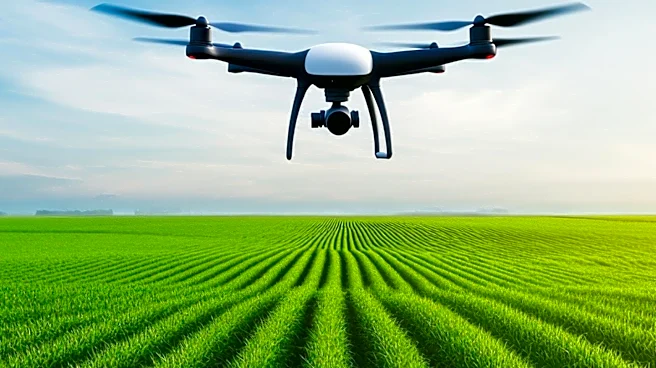
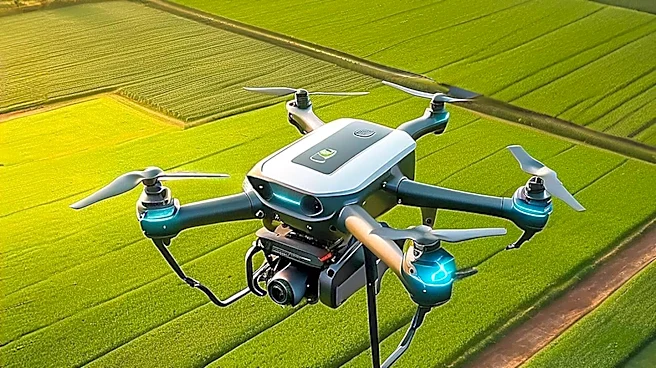
SENYTA is advancing the future of agriculture by developing autonomous agricultural technology that shifts from single-machine automation to coordinated machine operations. This approach involves multiple intelligent machines working together to enhance
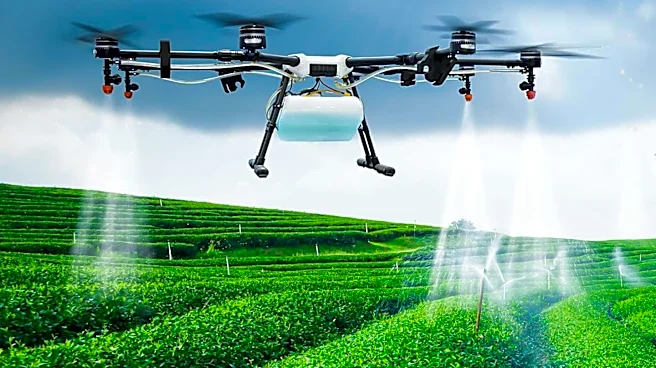
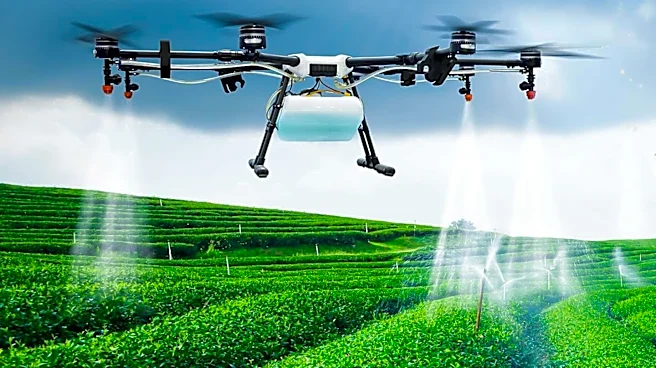
flexibility, equipment utilization, and precision in agricultural management. SENYTA's Smart Farm Management Platform integrates equipment connectivity, real-time monitoring, fleet management, and operational data analysis, allowing farmers to manage multiple machines through a unified system. This system reduces downtime, improves decision-making, and creates a more efficient workflow across farms. The QIANXING® Autonomous Guidance System provides precise positioning and control, enabling agricultural equipment to perform tasks with greater accuracy. LINKSY® platforms demonstrate how autonomous equipment can support various farming requirements, from orchard operations to large-scale farming, by providing reliable performance and reducing labor needs.
Why It's Important?
The development of coordinated machine operations in agriculture is significant as it addresses the challenges of labor shortages and inefficiencies in traditional farming methods. By enabling machines to work together, SENYTA's technology can improve productivity and sustainability in agriculture. This shift towards intelligent farming models can lead to more precise agricultural management, reducing operational challenges and supporting sustainable development. The integration of real-time monitoring and intelligent scheduling allows for better coordination of equipment usage, enhancing overall operational efficiency. As agriculture faces increasing demands for food production and environmental sustainability, such innovations are crucial for meeting these challenges and ensuring the long-term viability of the industry.
What's Next?
The continued development and implementation of SENYTA's autonomous agricultural platforms are likely to influence the broader adoption of intelligent farming practices. As more farmers integrate these technologies, there may be increased collaboration between technology providers and agricultural stakeholders to further refine and expand the capabilities of autonomous systems. Additionally, regulatory frameworks may evolve to accommodate the growing use of autonomous machinery in agriculture, ensuring safety and efficiency standards are met. The success of these technologies could also inspire further innovation in related fields, such as precision agriculture and sustainable farming practices, potentially leading to a more connected and efficient agricultural ecosystem.