





What's Happening?
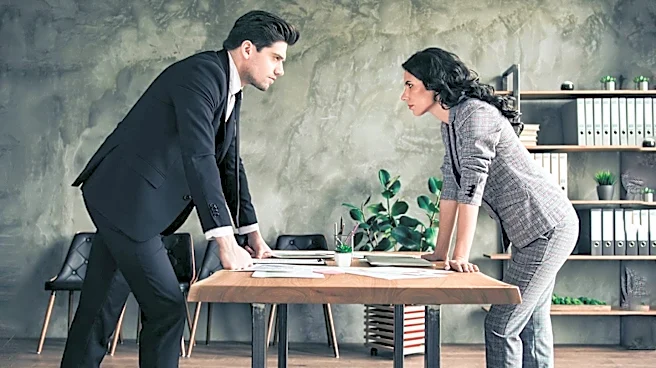
According to Christy Carlson Romano, his former co-star on Disney Channel's 'Even Stevens,' actor Shia LaBeouf harbored a one-sided rivalry with Hilary Duff, star of 'Lizzie McGuire.' Romano, who played LaBeouf's older sister Ren, stated that LaBeouf frequently
'trash-talked' 'Lizzie McGuire,' despite Duff reportedly being unaware of any competition. This revelation came during an appearance on The Joe Vulpis Podcast, where Romano discussed the competitive environment among Disney Channel shows in the early 2000s. She suggested that LaBeouf's intense competitiveness stemmed from a difficult childhood, leading him to believe the success of 'Even Stevens' was crucial for his well-being. Romano clarified that while she wasn't excusing his behavior, she offered this perspective to explain his serious approach to the rivalry. The two actors are not currently in contact, though Romano has expressed well wishes for LaBeouf.
Why It's Important?
This insight into the competitive dynamics among young actors in the entertainment industry highlights the pressures faced by child stars. It underscores how personal backgrounds and perceived stakes can influence professional relationships, even at a young age. For the entertainment industry, it sheds light on the internal rivalries that can exist between popular shows on the same network, driven by ratings and the desire for top billing. The revelation also offers a new perspective on LaBeouf's early career motivations, suggesting that his drive for success was deeply rooted in his personal circumstances. This context can help audiences and industry professionals better understand the complex psychological landscape that child actors navigate, potentially influencing future approaches to talent management and support systems within youth-focused programming.
What's Next?
While this information pertains to events from over two decades ago, it may prompt renewed interest in the early careers of Shia LaBeouf and Hilary Duff, potentially leading to further discussions or interviews with other former Disney Channel stars about their experiences. Neither LaBeouf nor Duff has publicly responded to Romano's claims as of the initial reports. Future projects involving either actor might see interviewers inquire about these past dynamics. The anecdote could also contribute to broader conversations within the entertainment industry regarding the mental health and competitive pressures placed on young performers, potentially influencing how networks and production companies manage their talent. It may also lead to a re-evaluation of the perceived 'peaceful coexistence' of popular shows from that era.
Beyond the Headlines
The story delves into the less visible psychological toll of child stardom, suggesting that the pursuit of success can be intertwined with deeply personal struggles. LaBeouf's reported belief that his 'life depended on that show doing well' points to a significant burden placed on young performers, often without their full comprehension or adequate support. This narrative extends beyond mere celebrity gossip, touching upon themes of childhood adversity, the pressure to perform, and the long-term impact of early career experiences on an individual's psyche. It also subtly critiques the industry's role in fostering such competitive environments, where young actors might feel their personal survival is linked to their show's ratings. The fact that Duff was unaware of the rivalry further emphasizes the isolated and often internal nature of these struggles for some child stars.