







What's Happening?
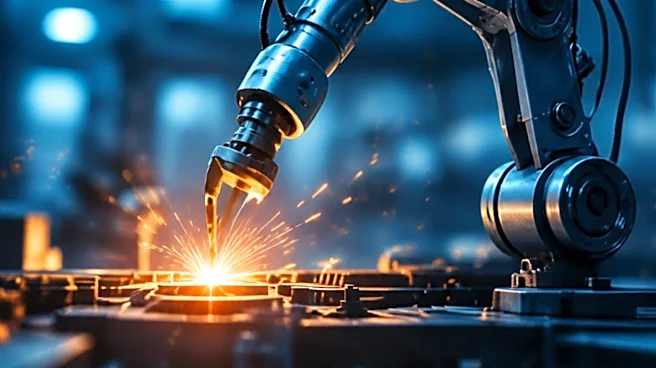
Collins Aerospace, a segment of RTX Corporation, is actively seeking a Manufacturing Engineer to join its team in Windsor Locks, Connecticut. The primary responsibility of this role will be to lead the implementation and optimization of robotic welding
processes within the commercial heat exchanger manufacturing division. This includes comprehensive process development, designing and building tooling, programming robot paths, conducting Root Cause Corrective Action (RRCA) activities, and optimizing production paths. The engineer will also be tasked with creating necessary operational standards such as work instructions, preventative maintenance procedures, and lessons learned documentation. Furthermore, the position involves performing cell layout adjustments and conducting Site Acceptance Testing (SAT) and Factory Acceptance Testing (FAT). The role extends to participating in cross-functional teams for future automation projects, contributing to business case development, statement of work generation, and the integration of automated processes into production. This initiative underscores Collins Aerospace's commitment to advancing its manufacturing capabilities through automation and smart factory technologies.
Why It's Important?
This hiring initiative by Collins Aerospace is significant for several reasons, particularly within the U.S. aerospace and defense manufacturing sector. The focus on implementing robotic welding and automation signals a broader industry trend towards enhancing efficiency, precision, and safety in complex manufacturing processes. By investing in advanced automation, Collins Aerospace aims to improve product quality, reduce production costs, and increase output capacity for critical aerospace components like heat exchangers. This move could set a precedent for other companies in the sector, driving further adoption of robotics and smart factory solutions. For the workforce, it highlights a shift in required skills, emphasizing expertise in robotics, automation systems, and data analytics. The successful integration of these technologies can bolster the competitiveness of U.S. manufacturing on a global scale, ensuring the production of high-quality components for both commercial and military applications. It also contributes to the economic vitality of regions like Windsor Locks, Connecticut, by creating demand for specialized engineering talent.
What's Next?
The immediate next step for Collins Aerospace is to successfully recruit and integrate a qualified Manufacturing Engineer into their Windsor Locks facility. Following this, the focus will be on the systematic implementation of robotic welding into commercial heat exchanger manufacturing. This will involve a phased approach, starting with process development and testing, followed by gradual integration into the production line. The engineer will also be crucial in driving smart factory initiatives, which include integrating machine connectivity, IoT platforms, and enterprise systems like MES and ERP. This will enable real-time data visibility and communication across the production environment, leading to more informed decision-making and continuous improvement. Future developments will likely include expanding automation to other manufacturing processes and further developing a roadmap for continuous innovation in smart factory operating systems and software. Success in this role could lead to increased production efficiency and potentially influence broader automation strategies within RTX Corporation's other segments.
Beyond the Headlines
Beyond the immediate operational benefits, Collins Aerospace's push for advanced manufacturing through robotic welding and smart factory integration has deeper implications for the aerospace and defense industry. This strategic direction reflects a broader industrial transformation, often referred to as Industry 4.0, where digital technologies are integrated into all aspects of manufacturing. The emphasis on data-driven processes, real-time monitoring, and predictive maintenance through IoT and AI will not only optimize production but also enhance the reliability and performance of aerospace components. This could lead to more robust and safer aircraft systems, impacting the entire supply chain from raw material suppliers to end-users. Furthermore, the development of highly automated and interconnected factories raises questions about cybersecurity and data integrity, necessitating robust protection measures. The long-term impact could be a more resilient and adaptable manufacturing base in the U.S., capable of responding quickly to market demands and technological advancements, while also fostering a new generation of highly skilled manufacturing professionals.