




What's Happening?
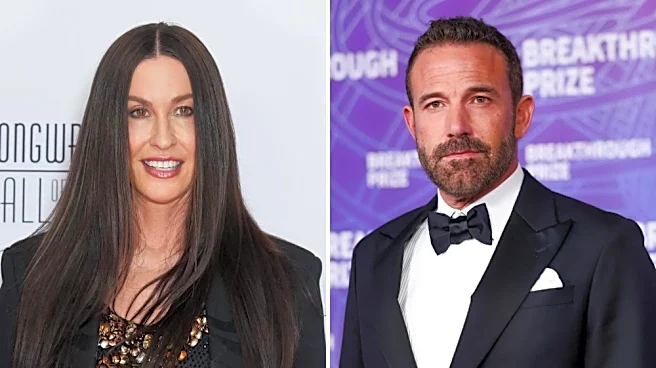
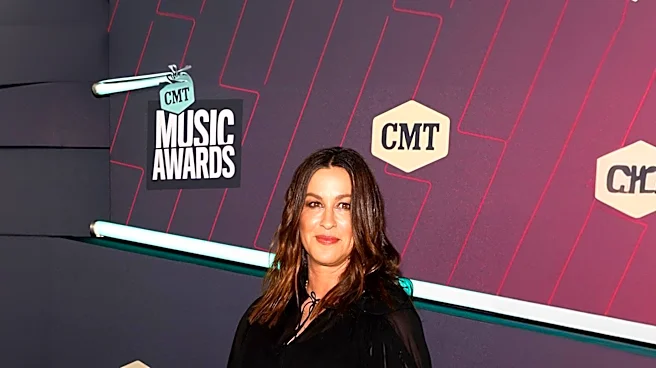
During the final show of her 'Butterfly With a Machete' residency at YouTube Theater in Inglewood, California, Alanis Morissette publicly recounted an awkward past interaction with actor Ben Affleck. Morissette, reflecting on the scrutiny she has faced
throughout her career regarding her music, appearance, weight, parenting, and personal values, mentioned Affleck by name. She stated, "I’ve even had a guy ask me why I didn’t lead with my sexuality. Thank you, Ben Affleck." This remark was followed by a clip from their 1999 film 'Dogma,' in which Morissette played God and Affleck's character, Bartleby, met an explosive end. Morissette also shared another celebrity anecdote, recalling an unenthusiastic response from Johnny Depp when she reached out to him for friendship. These stories were part of a series of reflections shared during her four-date residency, which followed an earlier run in Las Vegas.
Why It's Important?
This public recounting by Alanis Morissette highlights the ongoing conversation surrounding celebrity interactions and the pressures faced by women in the entertainment industry. Her statement regarding Ben Affleck's alleged comment about her sexuality underscores the historical objectification and expectations placed on female artists to leverage their physical appearance. Such disclosures from prominent figures like Morissette can resonate with broader audiences, particularly women, who may have experienced similar pressures in their professional or personal lives. It also sheds light on the often-unseen dynamics of celebrity relationships and the personal toll of public scrutiny, prompting discussions about respect, boundaries, and the impact of past comments on individuals. The candid nature of her revelations contributes to a cultural dialogue about gender roles and expectations within the public eye.
What's Next?
While Alanis Morissette's comments were made during a residency finale, they may spark renewed media attention and public discussion regarding the specific interaction with Ben Affleck. It is possible that Affleck or his representatives might be approached for comment, though they may choose not to respond. The incident could also lead to further conversations within the entertainment industry about how female artists are perceived and treated. For Morissette, these revelations could be seen as a form of catharsis or a way to reclaim her narrative, potentially influencing future artistic expressions or public engagements. The broader impact might include increased awareness and scrutiny of past behaviors by public figures, encouraging more thoughtful discourse around gender dynamics in Hollywood.
Beyond the Headlines
Morissette's decision to share these personal anecdotes, particularly the one involving Ben Affleck, delves into deeper themes of power dynamics and gendered expectations within the entertainment industry. Her comment about being asked why she didn't 'lead with her sexuality' points to a systemic issue where female artists are often pressured to conform to certain images or roles to achieve success, potentially undermining their artistic integrity. This public disclosure serves as a reminder that even highly successful women in the industry face such pressures. Furthermore, the timing of these revelations, years after the alleged events, suggests a broader cultural shift where individuals feel more empowered to speak out about past experiences, contributing to ongoing movements for greater accountability and respect in professional environments. It underscores the long-lasting impact of such interactions on individuals and the evolving landscape of celebrity discourse.