






What's Happening?
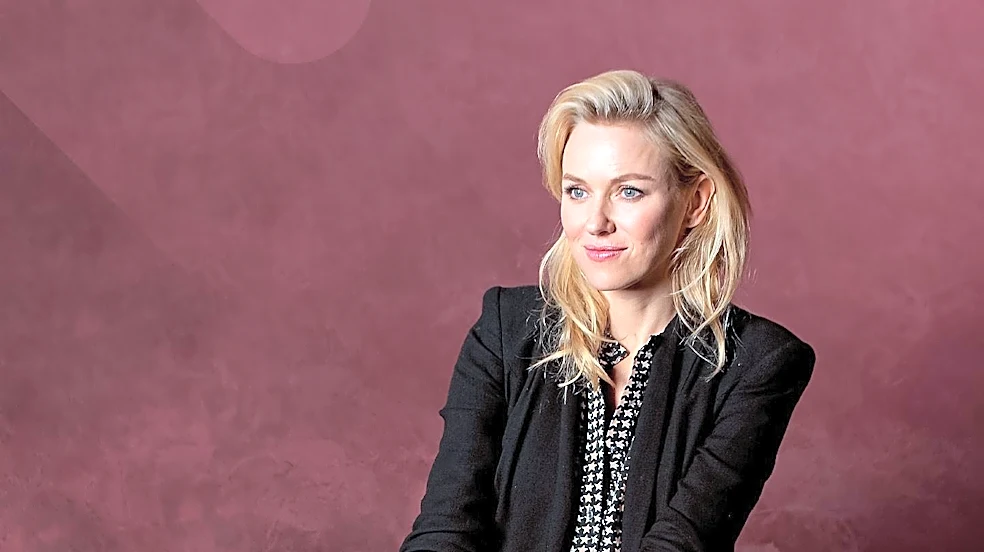
Actress Naomi Watts is spearheading an initiative to raise awareness about unexpected eye-related symptoms during menopause and perimenopause, such as dry eyes, blurred vision, and itching. Watts herself experienced these issues and was surprised to learn
they are common yet rarely discussed. She shared on Instagram that while middle age has given her a clearer perspective on life, it has also brought blurrier vision. This led her to partner with Johnson & Johnson to highlight the connection between hormonal changes during menopause and vision problems. A global study by the company revealed that only 40% of women aged 35 to 60 associate eye changes with menopause, despite two-thirds experiencing symptoms like dry or irritated eyes. Optometrist Morgan Sayes explains that hormonal shifts can disrupt the tear film, leading to discomfort and affecting vision. Many women endure these symptoms for months or years without seeking treatment because they don't link them to menopause.
Why It's Important?
This initiative is important because it addresses a significant gap in women's health awareness and education. Menopause is often associated with well-known symptoms like hot flashes and brain fog, but less obvious issues like vision changes are frequently overlooked. By bringing attention to these symptoms, Naomi Watts and Johnson & Johnson are empowering women to understand their bodies better and seek appropriate care. The lack of awareness means many women suffer unnecessarily, impacting their quality of life, comfort, and potentially their long-term eye health. Increased public discourse and research into these less-discussed symptoms can lead to earlier diagnosis, more effective treatments, and improved overall well-being for women navigating menopause. It also highlights the broader need for comprehensive women's health research that extends beyond commonly recognized conditions.
What's Next?
The campaign aims to encourage more women to discuss eye-related symptoms with eye care specialists. Optometrists like Morgan Sayes emphasize that these symptoms are common and treatable, and women do not need to endure them. Recommendations include taking breaks from screens using the 20-20-20 rule, trying moisturizing eye drops, applying warm compresses, being mindful of heating and ventilation, and protecting eyes outdoors with sunglasses. Regular eye check-ups are also crucial, especially around middle age, as presbyopia (age-related farsightedness) often coincides with menopause. Women on hormone therapy or other medications should inform their optometrist, as some drugs can affect eye comfort. The ongoing effort seeks to normalize conversations around all menopausal symptoms, ensuring women receive timely and effective support.
Beyond the Headlines
The initiative by Naomi Watts and Johnson & Johnson touches upon a deeper societal issue: the historical underrepresentation and under-discussion of women's health concerns. For too long, many aspects of women's health, particularly those related to aging and hormonal changes, have been dismissed or normalized as inevitable discomforts. This campaign challenges that narrative by validating women's experiences and advocating for proactive health management. It underscores the importance of celebrity platforms in driving public health awareness and the role of corporate partnerships in funding and disseminating crucial health information. Ultimately, it contributes to a broader movement towards more holistic and equitable healthcare for women, encouraging a shift from passive acceptance of symptoms to informed self-advocacy and medical intervention.