







What's Happening?
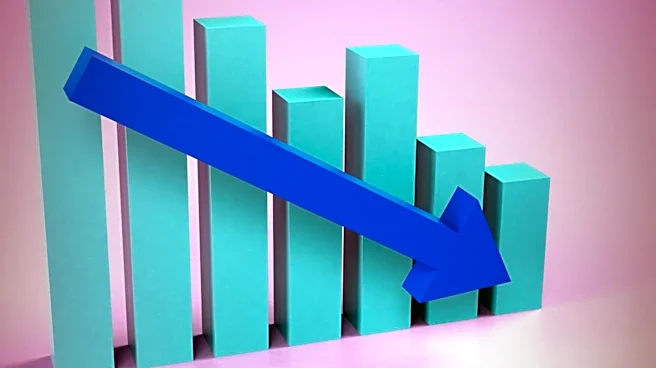
The body positivity movement, which gained significant traction in the late 2010s by advocating that no single body type is superior, has largely disappeared from mainstream visual culture. Despite its diminished presence, some of its social teachings
persist. Originating from radical roots, the phrase 'body positivity' has been utilized by eating disorder therapists and fat liberation activists since the 1990s, according to Tigress Osborn, chair of the National Association to Advance Fat Acceptance (NAAFA). Osborn connects it with broader 'body liberation' movements, including Health at Every Size, which challenges the pathologizing of higher body weight, and 'bodily autonomy,' emphasizing individual ownership and choice over one's body. The movement's mainstream adoption began with plus-sized individuals sharing self-love messages on platforms like Tumblr and Instagram using the hashtag #BoPo. This led to a period of increased body inclusivity in media and fashion, with plus-sized models and celebrities gaining prominence. However, the authenticity of its adoption by brands and the fashion industry was often questioned, with some feeling it was co-opted for cultural validation rather than genuine systemic change.
Why It's Important?
The decline of the body positivity movement in mainstream visual culture signifies a notable shift in societal attitudes towards body image and health in the U.S. This change impacts various sectors, including the fashion industry, media, and public health discourse. The initial rise of body positivity challenged long-standing beauty standards, promoting self-acceptance and diverse representations. Its current retreat suggests a potential return to more traditional, thinner ideals, influenced by factors such as the proliferation of weight-loss drugs and the pervasive presence of thin fitness influencers on social media. This shift could lead to increased pressure on individuals to conform to specific body types, potentially exacerbating body image issues and eating disorders. For industries that had embraced body inclusivity, such as fashion and advertising, this trend might result in a reduction of diverse body representations, affecting both consumers and models. The ongoing debate about health versus aesthetics in weight discussions also highlights a complex societal challenge, where the language of body positivity is sometimes used to justify weight loss, even when driven by aesthetic goals.
What's Next?
The future trajectory of body image discourse in the U.S. appears to be moving towards a more nuanced, and at times contradictory, landscape. While overt veneration of thinness remains socially taboo in many public spheres, the cultural reward for slimness is increasingly evident. This creates a 'doublespeak' environment where weight loss is often framed in terms of health rather than aesthetics, even as aesthetic outcomes are highly valued. The influence of social media algorithms, which tend to promote content featuring thinness and weight loss, is likely to continue shaping public perception and individual aspirations. There may be a growing emphasis on 'body neutrality,' a concept that de-centers appearance and focuses on an individual's value beyond their physical form, as advocated by former body-positivity activists. However, the pervasive presence of weight-loss drug advertisements and self-improvement narratives suggests that the pressure to alter one's body will persist, albeit under different linguistic frameworks. Stakeholders, including healthcare professionals, mental health advocates, and media organizations, will need to navigate these evolving narratives to promote healthier body image perceptions.
Beyond the Headlines
The fading of mainstream body positivity reveals deeper implications regarding authenticity, commercialization, and the evolving nature of social movements. The movement's co-option by brands for marketing purposes, often without genuine commitment to systemic change or inclusive product lines, contributed to its perceived inauthenticity and eventual decline. This highlights a recurring challenge for social movements: maintaining their radical roots and core ethos when adopted by commercial entities. Ethically, the current environment presents a dilemma where discussions about health and weight are intertwined with aesthetic desires, making it difficult to address genuine health concerns without reinforcing societal pressures for thinness. The rise of weight-loss drugs and the normalization of cosmetic procedures also raise questions about bodily autonomy and the societal pressures individuals face to conform. Culturally, the shift indicates a potential regression from the progress made in diversifying beauty standards, suggesting that deeply ingrained ideals of thinness remain powerful. This ongoing tension between self-acceptance and societal pressures for physical transformation will likely continue to shape individual experiences and public discourse for years to come.