
What's Happening?
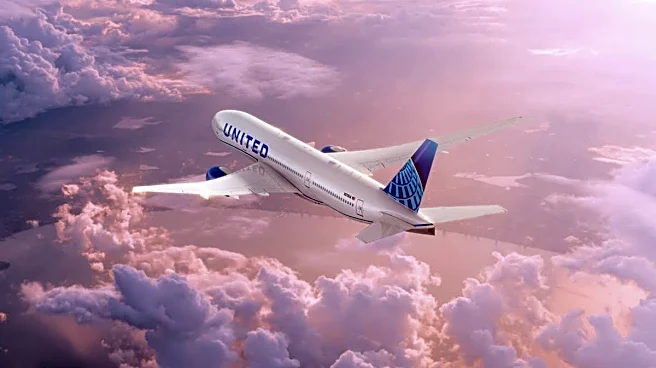
Delta Air Lines and United Airlines are currently embroiled in legal battles over the sale of window seats that do not actually have windows. The lawsuits, filed in August 2025, allege that these airlines
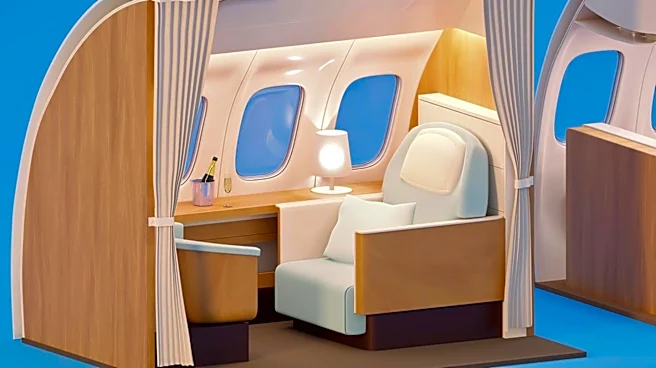
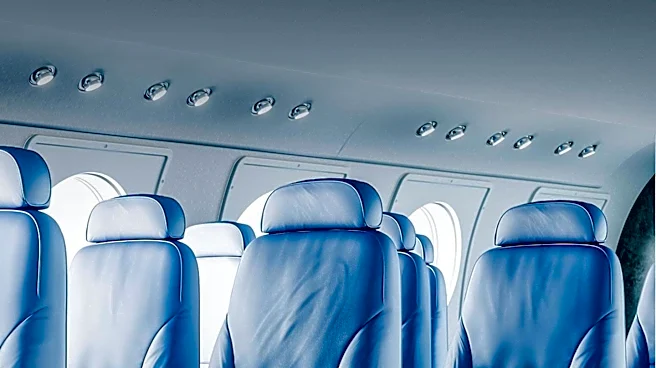
charged passengers extra for window seats without clearly informing them that the seats were next to a blank section of the fuselage. This issue arises from the design of certain aircraft, such as the Airbus A320 and Boeing 737, where structural components prevent the installation of windows in some areas. A U.S. district judge in San Francisco has allowed the lawsuit against United to proceed, while Delta's motion to dismiss is still pending in Brooklyn. United has since updated its booking process to indicate when a seat lacks a window.
Why It's Important?
The outcome of these lawsuits could have significant implications for the airline industry, particularly in how airlines price and disclose seat features. If the courts rule against the airlines, it may force them to reconsider their pricing strategies and improve transparency in their booking processes. This could lead to changes in how airlines communicate seat features to passengers, potentially affecting revenue from premium seat sales. Passengers stand to benefit from clearer information and potentially fairer pricing, while airlines may face increased scrutiny and potential financial impacts from refunds or adjustments in pricing strategies.
What's Next?
As the legal proceedings continue, airlines may need to prepare for potential changes in their booking systems and pricing models. A ruling against the airlines could prompt other carriers to proactively update their seat disclosure practices to avoid similar legal challenges. Additionally, consumer advocacy groups may increase pressure on airlines to enhance transparency and fairness in seat pricing. The industry will be closely watching the outcomes of these cases to gauge the potential need for broader policy changes.