





What's Happening?
A recent blog post on FashionSchlub recounts a challenging $6 weekend group trip to southern Korea. The trip, organized by tourism boards and group travel promoters, aimed to promote travel outside Seoul in exchange for social posts or attendance at local
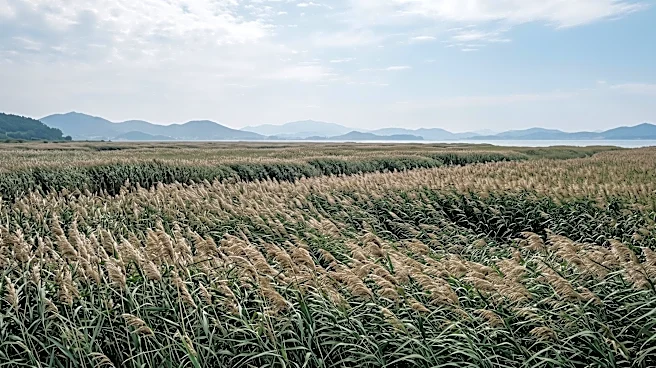
festivals. The author joined a trip with no follower requirement, which included bus transportation, three meals, activities, and a night in a motel for a minimal cost. The experience was largely marred by heavy rain due to a typhoon, disorganization, and a packed itinerary that left little room for personal preference. Activities included an outdoor food festival in Naju, a visit to a poet's birthplace, the Gangjin Reed Festival, and the Gangjin Minhwa Museum. The author described feeling drenched, being held at events longer than desired, and facing uncomfortable accommodations and meal options. The trip highlighted the author's preference for solo travel due to the lack of flexibility and personal choice in group settings.
Why It's Important?
This account offers insight into the growing trend of budget-friendly promotional travel experiences in regions seeking to boost tourism. While seemingly a good deal, such trips can come with significant trade-offs in terms of comfort, organization, and personal enjoyment. For tourism boards, these initiatives aim to generate buzz and attract visitors to lesser-known areas, but negative experiences, as detailed in this blog, can undermine these efforts. For travelers, it underscores the importance of thoroughly researching such offers and understanding the potential limitations of extremely low-cost travel. The narrative also touches on the broader appeal of authentic, local experiences versus highly structured, promotional tours, influencing how individuals might approach future travel decisions and manage expectations for budget travel.
What's Next?
The blog post concludes with the author's resolution to avoid overnight group trips in the future, emphasizing a preference for solo travel that allows for personal control over itinerary and comfort. This personal decision may influence readers who follow the blog to reconsider similar budget group travel opportunities. For tourism promoters, feedback from such experiences, even if anecdotal, could inform future planning, potentially leading to adjustments in trip structures, communication with participants, or the types of events included. While no immediate policy changes are indicated, the detailed account serves as a cautionary tale for both potential travelers and organizers of promotional tours, suggesting a need for clearer expectations and improved logistical execution in such ventures.
Beyond the Headlines
The narrative subtly explores the tension between the curated, often idealized image presented by tourism promotions and the reality of budget travel experiences. It highlights the psychological impact of being part of a group with little autonomy, especially when faced with adverse conditions like continuous rain and rigid schedules. The author's reflections on the value of personal freedom in travel versus the perceived 'deal' of a low-cost trip touch upon broader consumer behavior and satisfaction. This story also implicitly questions the effectiveness of promotional strategies that prioritize sheer attendance over genuine visitor enjoyment, suggesting that a truly positive experience is more likely to generate authentic, beneficial word-of-mouth promotion than a merely cheap one. It underscores the importance of quality over quantity in tourism marketing.