


What's Happening?
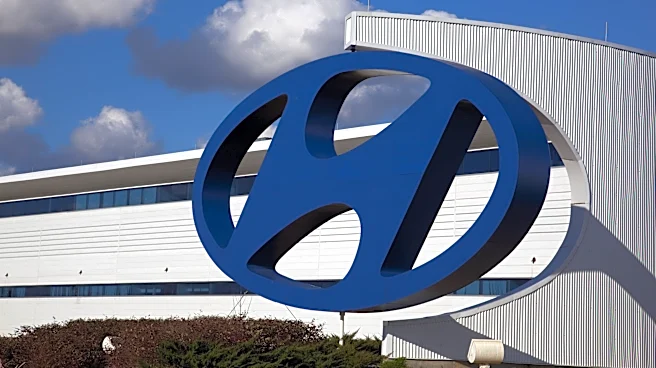
Hyundai Motor Group has announced its 2026 leadership reshuffle, maintaining Hyundai CEO José Muñoz and Kia CEO Song Ho-sung in their current roles. This decision aims to ensure management stability and business continuity, particularly in the automotive
division. While the top leadership of the flagship automakers remains unchanged, several affiliates in the auto parts and construction sectors will see new leadership. Cheol Seung Baek, formerly CEO of Hyundai Transys, has been promoted to President and CEO of Hyundai Mobis. Park Chan-young, Executive Vice President and head of Hyundai Motor’s procurement division, will take over as CEO of Hyundai Transys. Additionally, Na Tae-jun, Executive Vice President and head of Hyundai Engineering’s architecture division, has been promoted to CEO of Hyundai Engineering. The reshuffle also includes placing technology experts in key positions to enhance competitiveness in software-defined vehicles (SDV) and accelerate manufacturing innovation.
Why It's Important?
This leadership reshuffle is significant for Hyundai Motor Group's strategic direction, especially concerning its operations and market position in the United States. The retention of José Muñoz, who possesses extensive knowledge of the U.S. market, underscores the company's commitment to maintaining its competitiveness in North America. Hyundai Motor has experienced strong performance in the U.S., its largest market, posting record quarterly sales in the third quarter despite challenges like sluggish domestic sales and declining operating profits elsewhere. The appointment of Na Tae-jun as CEO of Hyundai Engineering is also notable, given his track record in securing contracts for data centers and industrial facilities in North America, including electric vehicle and battery plants. These leadership decisions reflect an effort to navigate a rapidly evolving automotive landscape, characterized by the transition to next-generation vehicles, geopolitical uncertainties, and trade tariffs, by leveraging proven expertise and ensuring continuity in critical markets.
What's Next?
Following this initial reshuffle of CEOs and presidents, Hyundai Motor Group plans to continue appointing capable individuals based on their performance through a regular executive reshuffle scheduled for mid-December. The newly appointed leaders, such as Baek Cheol-seung at Hyundai Mobis, will focus on streamlining operations, restructuring business portfolios, and strengthening competitiveness in future core areas like electrification and automotive electronics. Park Chan-young at Hyundai Transys will leverage his expertise in electrification components to improve profitability by proactively establishing supply chains. Na Tae-jun at Hyundai Engineering will continue to oversee major construction projects, including those related to electric vehicle and battery plants in North America. The group aims to steadily respond to intensifying competition while accelerating its transition toward future businesses, including software-defined vehicles (SDVs), by integrating technology experts into key leadership roles.
Beyond the Headlines
The strategic decisions made in this reshuffle highlight a broader industry trend towards prioritizing stability and specialized expertise in a volatile global market. The emphasis on software-defined vehicles (SDVs) and electrification components signals Hyundai Motor Group's commitment to future mobility technologies, which will have long-term implications for the automotive sector. The focus on North American market leadership, evidenced by the retention of José Muñoz and the recognition of Na Tae-jun's success in securing U.S. contracts, suggests a strategic pivot towards strengthening regional market dominance. This approach could influence supply chain dynamics, investment in manufacturing facilities, and technological development within the U.S. The reshuffle also reflects a proactive stance against geopolitical uncertainties and trade tariffs, indicating a strategic effort to insulate the company's operations and growth from external pressures, potentially leading to more localized production and supply chain resilience.