



What's Happening?
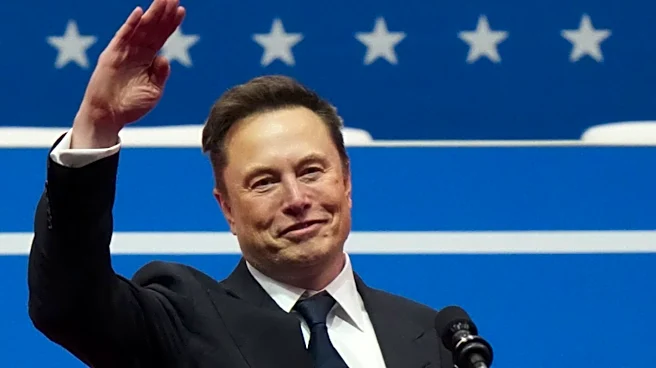
President Trump announced a 90-day waiver of 'out-of-quota' beef tariffs, allowing up to 300,000 tonnes of ground beef imports without higher duties. This measure is intended to lower the price of ground beef for American consumers. According to President Trump's
social media post, he secured a deal ensuring this imported beef will be sold at 25 percent below current market prices. A White House official confirmed that President Trump will formally sign an executive order within the next two weeks to implement this policy. The President attributed the recent surge in beef prices and the reduction in the American beef herd to the previous administration, stating that prices for a pound of ground beef increased by 24 percent since he took office, reaching $6.89 as of July.
Why It's Important?
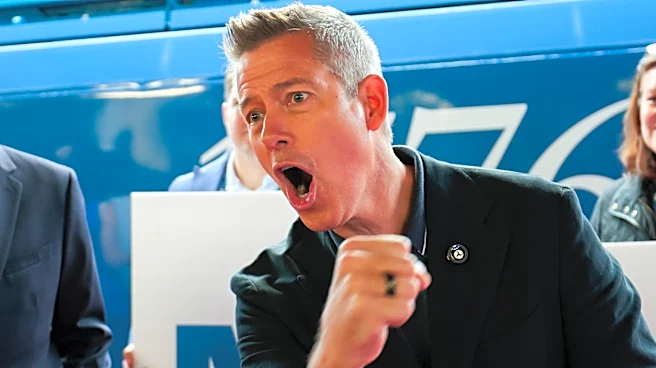
This tariff waiver is a significant move aimed at directly impacting the cost of living for American households, particularly concerning a staple food item like ground beef. The initiative seeks to alleviate financial pressure on consumers ahead of the pivotal midterm elections in November, where rising prices are a key voter concern. However, the policy has drawn criticism from some U.S. ranchers and agricultural groups, including Senator Tim Sheehy of Montana, a Republican ally of President Trump. Sheehy argued that the move would harm American cattle ranching families who have already been struggling against what he described as a 'packer monopoly' for decades. The measure highlights the ongoing tension between consumer price relief and the protection of domestic agricultural interests.
What's Next?
President Trump is expected to sign a formal executive order within the next two weeks to enact the 90-day tariff waiver. The administration will likely monitor the impact of these imported beef supplies on market prices and consumer costs. The reaction from U.S. ranching and farming communities will be crucial, as they may continue to voice concerns about the potential long-term effects on their livelihoods and the domestic beef industry. The effectiveness of this policy in significantly reducing ground beef prices and its influence on voter sentiment in the upcoming midterm elections will be closely watched. Further details regarding the specific countries or companies involved in the discounted beef supply are also anticipated.
Beyond the Headlines
The tariff waiver on beef imports underscores a broader economic and political strategy by the Trump administration to address inflation and consumer costs, particularly in the run-up to elections. While the immediate goal is to lower prices, the policy could have deeper implications for the U.S. agricultural sector's competitiveness and the balance between domestic production and international trade. The criticism from within President Trump's own party, specifically from Senator Sheehy, reveals potential fractures in support for policies that prioritize immediate consumer relief over the interests of specific domestic industries. This situation highlights the complex interplay between trade policy, domestic economic pressures, and political considerations, potentially setting a precedent for how future administrations might tackle similar economic challenges.