

What's Happening?
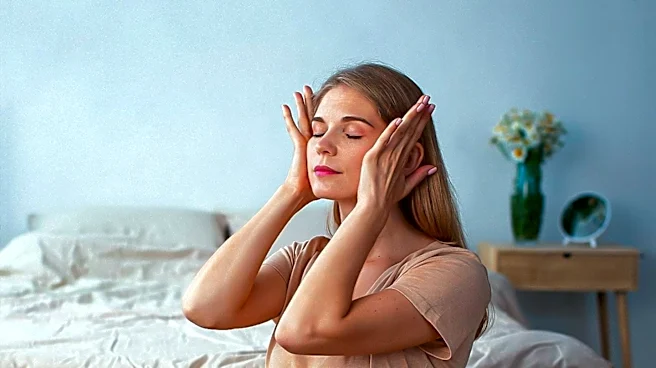
Face yoga, a trend involving exercises to stretch and strengthen facial muscles, may inadvertently deepen expression lines and contribute to new wrinkles, according to experts. While the practice aims to tone muscles and theoretically fill out skin, the unique
anatomy of the face means that repetitive muscle contractions pull and fold the skin. This constant mechanical stress can accelerate the transition of dynamic wrinkles, which appear during expressions, into permanent static wrinkles, visible even when the face is at rest. The dermis, the skin layer containing structural proteins, can be weakened by repeated folding during these exercises. Overworking expression muscles, particularly in areas like the forehead and jaw, can lead to over-developed muscles and more prominent lines. As skin ages and loses elasticity, exaggerated stretching can further diminish its firmness.
Why It's Important?
This information is important for individuals seeking natural anti-aging solutions, as it challenges the common perception that face yoga is a universally beneficial alternative to other cosmetic procedures. Consumers investing time and effort into face yoga routines might be unknowingly contributing to the very issues they are trying to prevent or resolve. The distinction between facial massage, which focuses on releasing tension and promoting circulation, and face yoga, which involves tensing and creasing, highlights a critical difference in their impact on skin health. This insight can guide individuals toward safer and more effective skincare practices, potentially saving them from counterproductive efforts and encouraging them to seek professional advice or alternative methods that prioritize skin integrity and relaxation over aggressive muscle manipulation.
What's Next?
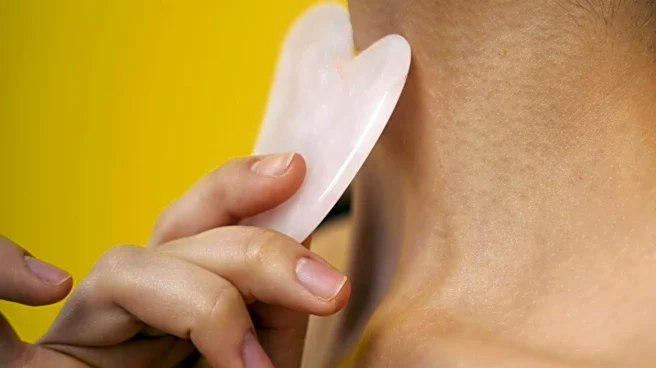
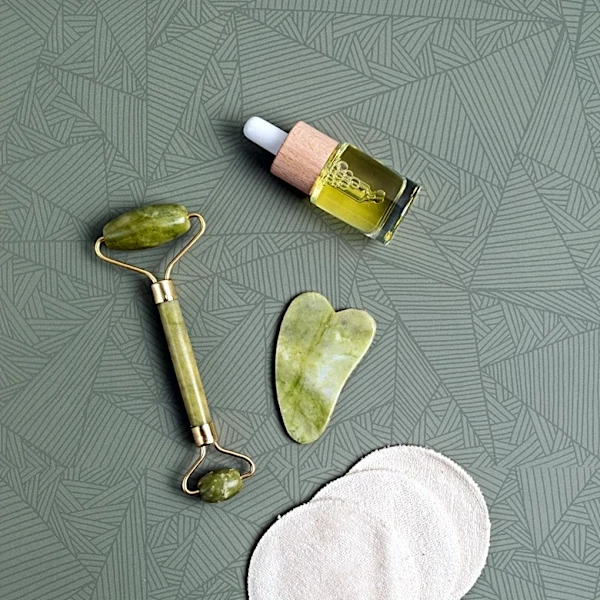
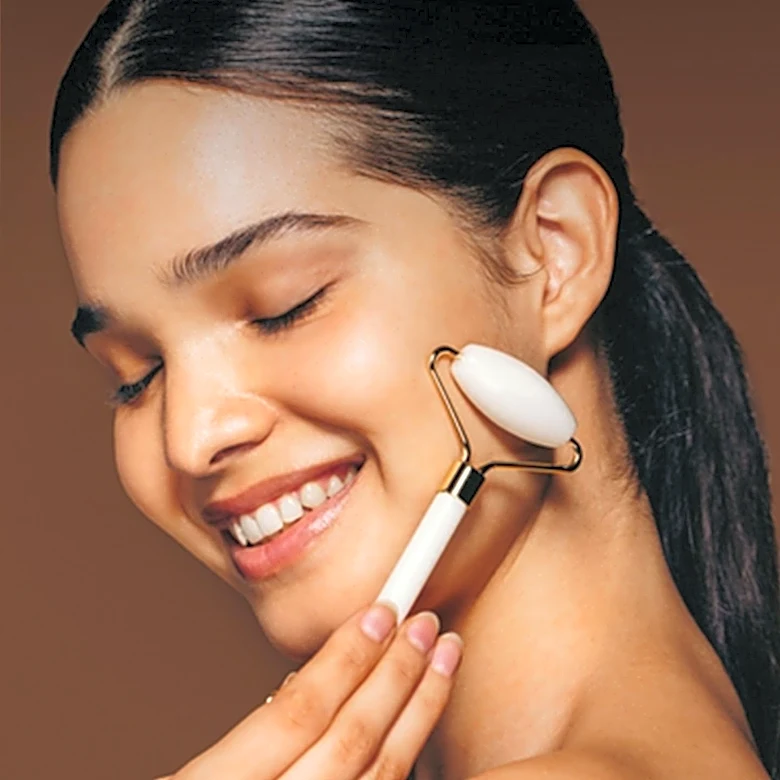
Individuals currently practicing face yoga may need to re-evaluate their routines, potentially shifting towards gentler methods or consulting skincare professionals. The emphasis on relaxation, lymphatic drainage, and high-performance botanical skincare suggests a move away from intense facial exercises. Consumers might explore alternatives such as Gua Sha or facial rollers for lymphatic drainage, or focus on 'facial posture' awareness to reduce unconscious tension. Skincare brands and professionals are likely to continue advocating for comprehensive skincare rituals that include gentle cleansing, targeted serums, and moisturizers, along with sun protection and lifestyle factors like hydration and sleep quality, as more reliable approaches to maintaining skin health and appearance.
Beyond the Headlines
The debate surrounding face yoga underscores a broader societal trend of seeking 'natural' and non-invasive alternatives to cosmetic procedures. This often leads to the adoption of practices without a full understanding of their scientific basis or potential long-term effects. The allure of a 'natural facelift' can overshadow the complex biological processes of skin aging and the delicate balance required to maintain skin health. This situation highlights the ethical responsibility of influencers and proponents of such trends to provide balanced information, and for consumers to critically evaluate claims and seek expert opinions. It also points to the ongoing challenge of distinguishing between anecdotal evidence and scientifically supported practices in the wellness and beauty industries.