




What's Happening?
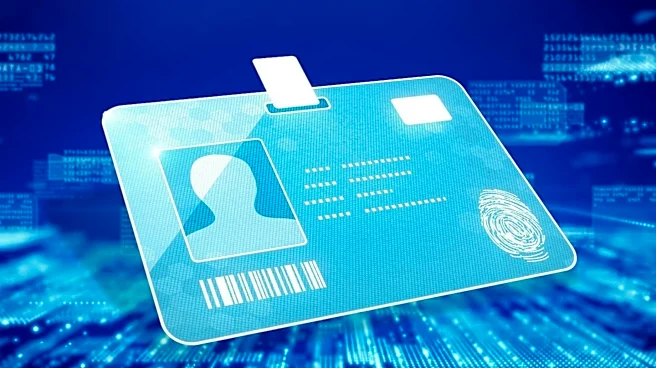
SMX has developed a Digital Material Passport Platform designed to provide physical materials with a persistent, authenticated identity throughout their economic life. This technology embeds invisible molecular markers directly into physical materials,
such as plastics, textiles, and metals. These markers are linked to a secure digital record containing crucial information like origin, composition, recycled content, chain of custody, authentication history, and lifecycle events. This system aims to address the increasing need for verifiable information about materials, especially as global economic shifts, including war, oil volatility, inflation, and supply-chain pressures, make the provenance and history of materials more critical to their value. The platform allows for greater confidence in representing physical assets digitally, facilitating their tokenization and integration into expanding digital markets.
Why It's Important?
The introduction of SMX's Digital Material Passport is significant for U.S. industries and the broader global economy, particularly in the context of the 'Age of Parity' where recycled materials are becoming economically competitive with virgin resources. This technology provides the necessary infrastructure for authenticating materials, which is crucial for manufacturers needing confidence in recycled inputs, brands supporting recycled-content claims, and regulators requiring auditable information. It also helps recyclers distinguish authenticated material and enables markets to reliably value and trade these materials. By connecting physical materials to digital economic value, the platform supports the growing trend of tokenization of real-world assets, potentially transforming supply chain transparency, compliance, and the valuation of commodities.
What's Next?
The SMX Digital Material Passport is expected to see increased adoption as industries continue to face economic pressures and regulatory demands for greater transparency and sustainability. The platform's ability to provide a verifiable history for materials will likely drive its integration into various sectors, from manufacturing and recycling to finance and digital asset markets. Future developments may include broader applications for different material types and deeper integration with digital economic mechanisms, such as the Plastic Cycle Token, which connects authenticated recycled plastic activity to measurable digital economic value. This will further solidify the role of digital identities for physical assets in the evolving global economy.
Beyond the Headlines
The deeper implications of SMX's technology extend to fundamental shifts in how value is perceived and managed in the materials economy. By embedding a persistent digital identity into physical materials, SMX is not just improving traceability but also enabling a more circular economy where waste can be re-entered into the supply chain as an identifiable, authenticated economic asset. This development challenges traditional notions of material ownership and value, potentially leading to new business models and financial instruments based on the verifiable lifecycle of products. It also raises ethical considerations regarding data privacy and control over material information, as well as the potential for increased scrutiny and accountability across global supply chains.