




What's Happening?
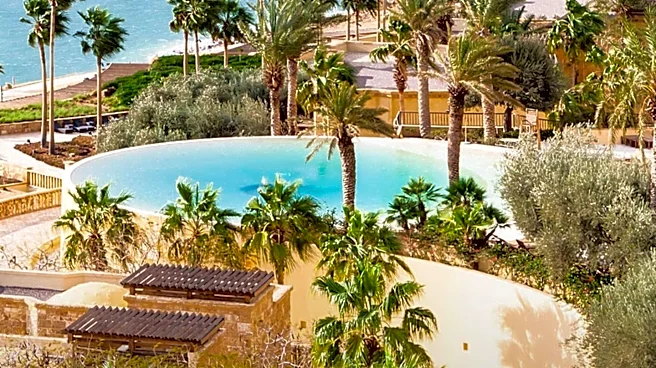
The Jayasom Wellness Resort, a new luxury destination, has opened as part of AMAALA on Saudi Arabia's Red Sea coast. Designed by Heah & Co. with interiors by Studio Carter, the resort features 153 keys and 24 residences. It is situated on Triple Bay’s
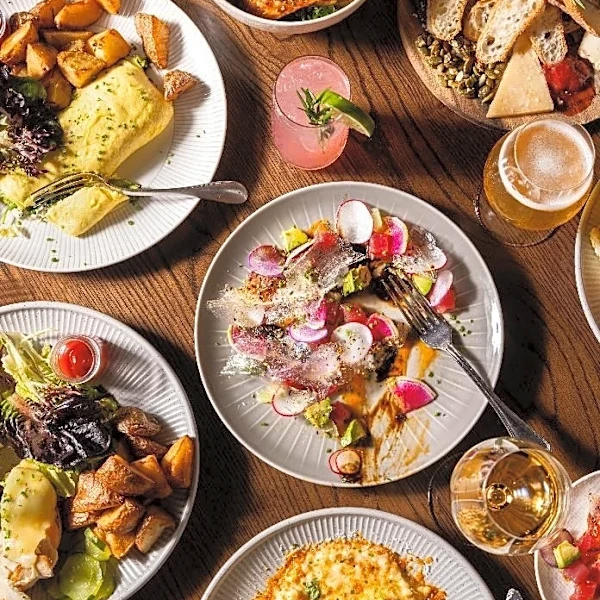
largest cove, aiming to blend nature and hospitality for reflection and renewal. The resort's wellness philosophy combines Arab and Eastern healing traditions with contemporary, evidence-based practices. Offerings include holistic health, fitness, physiotherapy, nutrition, spa, and beauty services, all tailored to individual goals such as women's health, couples and family wellbeing, and lifestyle resets. John Pagano, Group CEO of Red Sea Global, stated that Jayasom brings a new dimension to AMAALA's wellness offerings, with dedicated, all-inclusive retreats. The resort also emphasizes nutrition with eight dining venues focusing on fresh, seasonal ingredients. It is divided into adults-only and family-focused zones, providing specialized facilities and activities for each. Jayasom AMAALA is the seventh resort to open at AMAALA, which is part of Red Sea Global's broader development vision for the region.
Why It's Important?
The opening of Jayasom Wellness Resort signifies a significant advancement in the global luxury wellness tourism sector, particularly in the Middle East. This development positions AMAALA as a comprehensive wellness destination, attracting high-net-worth individuals seeking specialized health and wellness experiences. The integration of traditional Arab and Eastern healing with modern practices could set new industry standards, influencing how other luxury resorts design their wellness programs. For the U.S. market, this could mean increased competition for American luxury wellness resorts, potentially driving innovation and specialization in their own offerings to retain clientele. Furthermore, the resort's commitment to sustainability, being fully powered by solar energy and aiming for a 30% net conservation gain by 2040, highlights a growing trend in eco-conscious luxury travel. This could influence U.S. hospitality developers to adopt more sustainable practices to meet evolving consumer demands and regulatory pressures. The focus on personalized wellness journeys also reflects a broader shift in consumer preferences towards bespoke and results-oriented health programs, which could impact the design and marketing strategies of wellness providers in the U.S.
What's Next?
In the coming months, AMAALA plans to open two more resorts, further expanding its portfolio of world-class hospitality brands. This expansion will also include branded residences, integrated wellness facilities, a marina, curated retail, a marine life experiential institute, and destination dining options. The continued development of AMAALA is expected to solidify its position as a leading ultra-luxury wellness destination. Red Sea Global, the developer, will likely continue to focus on regeneration and sustainable development across its projects, including The Red Sea and Thuwal Private Retreat. This ongoing commitment to environmental stewardship and high-end tourism could attract further international investment and partnerships. The success of Jayasom and other AMAALA resorts will be closely watched by the global hospitality industry, potentially influencing future investment decisions and development trends in luxury travel and wellness. The resort's tailored programs and focus on long-term health journeys suggest a continuous evolution of its offerings to meet diverse guest needs.
Beyond the Headlines
The establishment of Jayasom Wellness Resort within AMAALA reflects a broader cultural and economic shift in Saudi Arabia, aiming to diversify its economy beyond oil through ambitious tourism projects. This initiative, spearheaded by Red Sea Global, is part of the Public Investment Fund (PIF) and seeks to position the country as a global luxury and wellness hub. The emphasis on blending Arab and Eastern healing traditions with contemporary practices not only offers a unique selling proposition but also promotes a cross-cultural exchange of wellness knowledge. This could lead to a re-evaluation of traditional healing methods in Western contexts and potentially inspire new research and integration into mainstream wellness practices. The development also raises questions about the long-term environmental and social impacts of large-scale luxury tourism projects, despite their stated commitment to sustainability. The creation of exclusive, ultra-luxury destinations like AMAALA could also exacerbate disparities in access to high-quality wellness services, making them primarily available to an elite clientele. The project's success could serve as a blueprint for other nations looking to leverage their natural landscapes and cultural heritage for economic development through high-end tourism.