







What's Happening?
Personal trainers and fitness experts are providing guidance on how individuals can achieve their first pull-up, an exercise widely recognized for its difficulty. According to Sarah Pelc Graca, a health coach and personal trainer, pull-ups require significant
upper body strength, grip strength, core stability, and shoulder mobility, as the exercise demands lifting one's entire body weight against gravity. Cara D’Orazio, a personal trainer and group fitness instructor, notes that even individuals in good shape can struggle with pull-ups, with women potentially finding it more challenging due to naturally lower upper-body muscle mass. The benefits of mastering pull-ups are substantial, working multiple muscle groups including the lats, upper back, biceps, shoulders, forearms, grip, and core, which contributes to improved posture and functional strength, as highlighted by Holly Roser, a personal trainer and sports nutritionist. The experts emphasize a progressive approach to training rather than attempting to force the movement, which can lead to injuries.
Why It's Important?
The advice from personal trainers on achieving pull-ups is important for promoting safe and effective fitness practices within the U.S. fitness industry and among the general public. By outlining a structured approach, these experts help individuals avoid injuries that can arise from improper technique or overexertion, thereby reducing the burden on healthcare systems and promoting sustained engagement in physical activity. The focus on functional strength and overall body conditioning, rather than just aesthetic goals, aligns with broader public health initiatives aimed at improving long-term physical well-being and reducing age-related frailty. For fitness professionals, this guidance reinforces the value of personalized training and progressive overload principles, enhancing their credibility and the quality of services offered. It also addresses a common fitness goal that many find intimidating, making it more accessible and achievable for a wider demographic, ultimately contributing to a more active and healthier society.
What's Next?
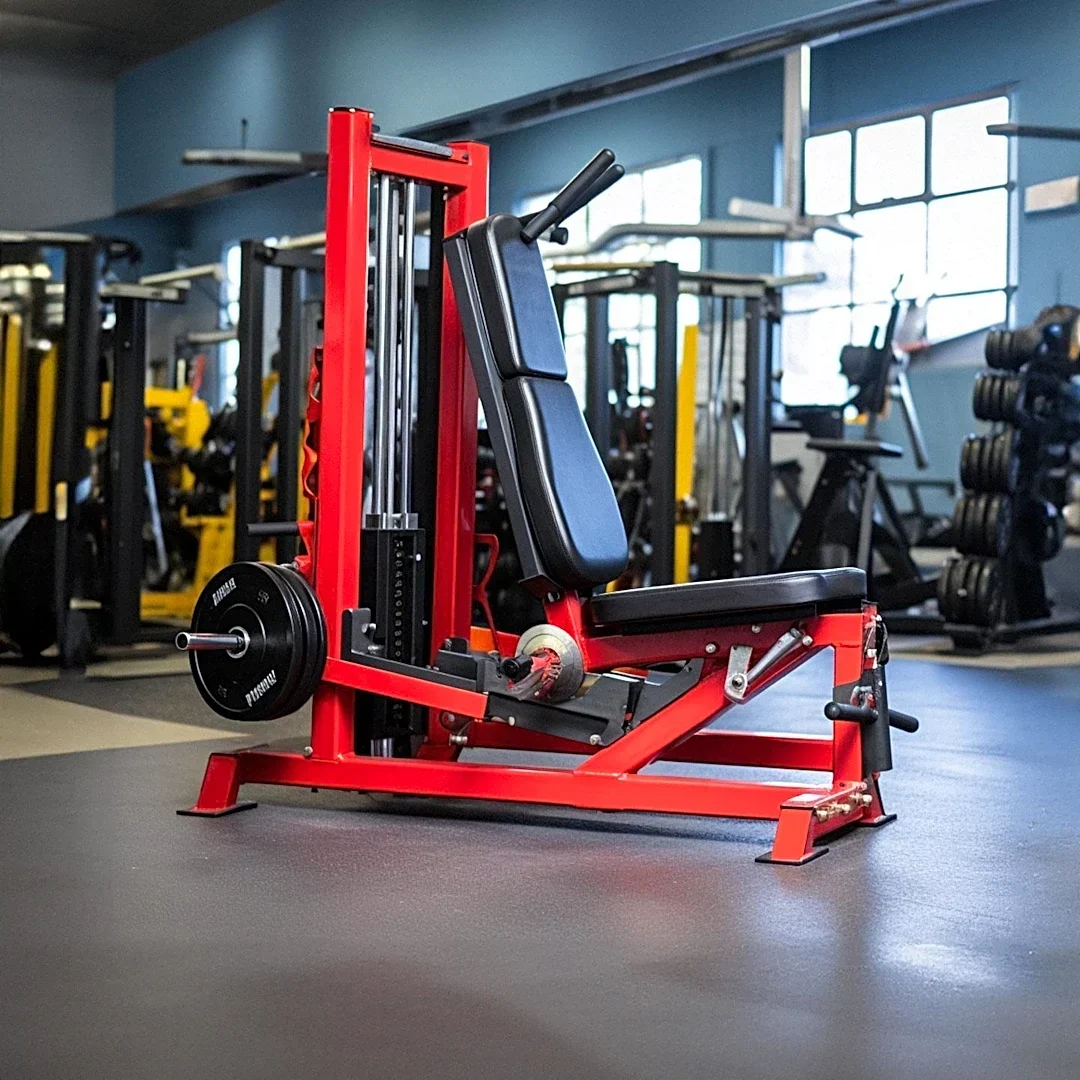
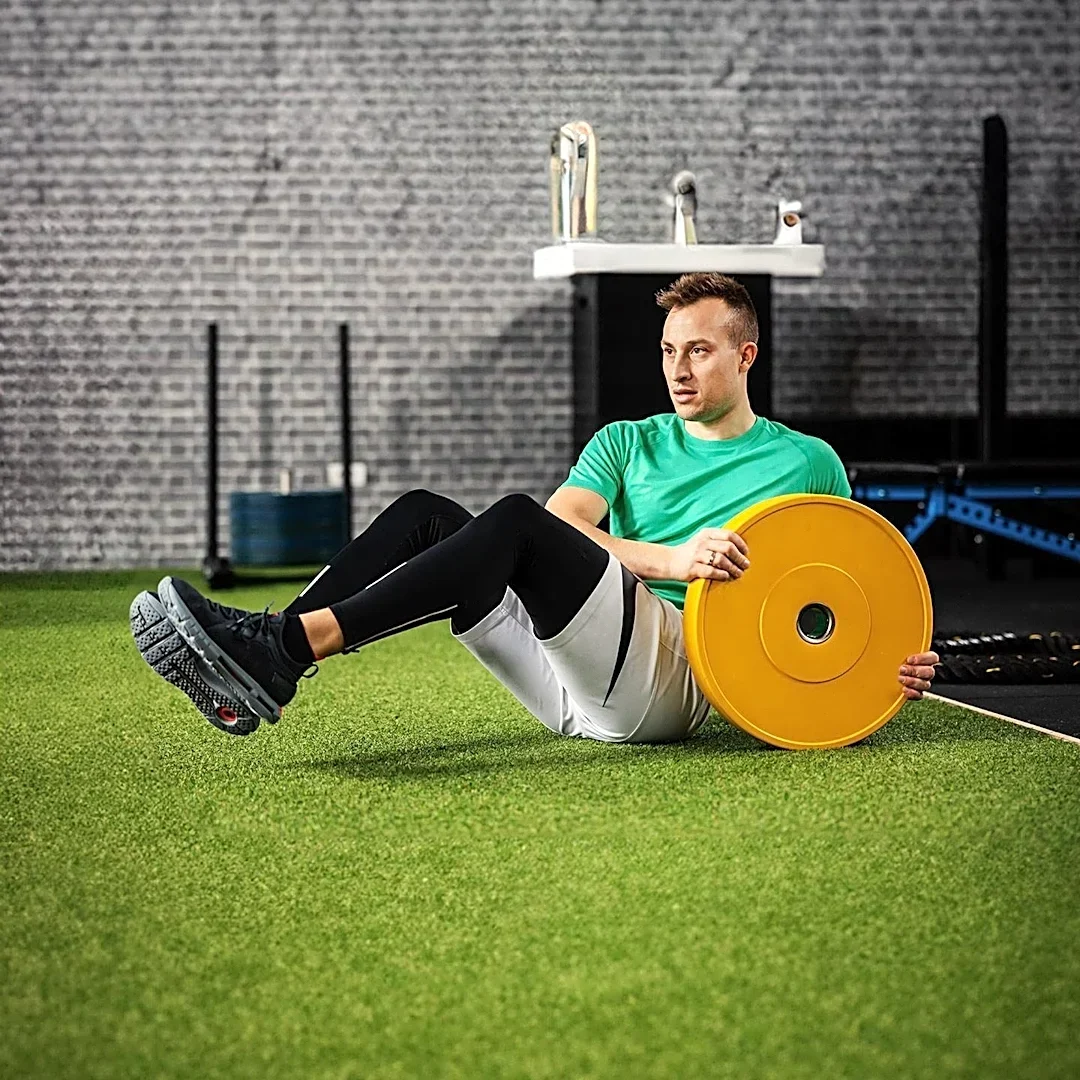
Individuals looking to achieve their first pull-up are advised to incorporate specific exercises into their routine two to three times per week, gradually increasing the difficulty. Recommended exercises include dead hangs to build grip strength, scapular pull-ups to teach the initial movement, lat pull-downs for vertical pulling strength, and eccentric/negative pull-ups to develop control during the lowering phase. Assisted pull-ups, using machines or resistance bands, are also suggested to practice the movement with reduced body weight. Additionally, core strengthening exercises like planks, dead bugs, and hollow-body holds are crucial for trunk stability. Personal trainers emphasize patience, as achieving a pull-up can take weeks or months depending on the starting fitness level. Mobility work for the thoracic spine, back, lats, chest, and shoulders is also recommended to ensure proper movement and engagement. The goal is to build strength progressively and consistently, celebrating small improvements along the way.
Beyond the Headlines
The pursuit of a pull-up, as guided by personal trainers, reflects a deeper cultural emphasis on physical capability and self-improvement in the U.S. fitness landscape. Beyond the physical benefits, successfully achieving a challenging fitness goal like a pull-up can significantly boost an individual's self-efficacy and mental resilience, fostering a 'can-do' attitude that extends beyond the gym. This trend also highlights the increasing demand for expert guidance in fitness, as people seek structured and safe pathways to achieve complex physical feats. The detailed breakdown of preparatory exercises underscores a shift from purely high-intensity, 'go hard or go home' mentalities towards more scientific, progressive, and injury-preventative training methodologies. This approach not only democratizes access to advanced fitness goals but also promotes a more sustainable and holistic view of health, where consistency and proper form are prioritized over quick, potentially harmful, results.