




What's Happening?
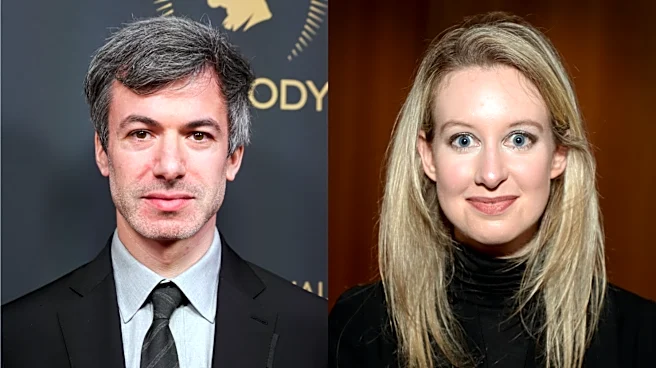
Nathan Fielder and Lance Oppenheim's documentary about Elizabeth Holmes, titled 'You Can See Everything,' has premiered at the Telluride Film Festival, generating significant buzz and impacting the Oscar race. The film, which was a secret screening, caused
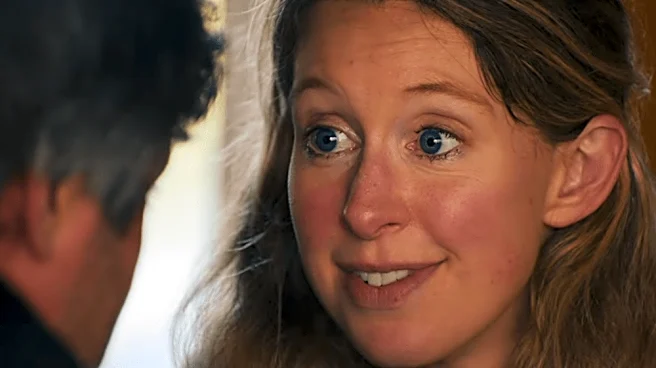
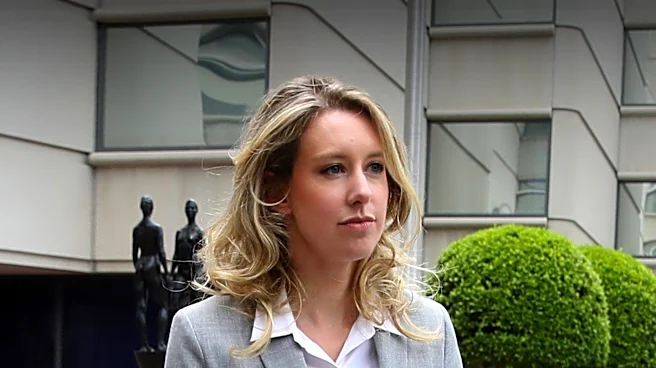
a stir with its 174-minute runtime and unique approach to the Theranos founder's story. A24, the studio behind the documentary, confirmed its theatrical release in October, positioning it as a strong contender for the documentary feature race. The film is notable for its immersive style, with Holmes inviting the filmmakers into her home for three years leading up to her prison sentence. Critics and attendees have been debating the film's portrayal of Holmes and its potential to redefine the documentary genre.
Why It's Important?
This documentary is important for the U.S. film industry as it challenges traditional documentary filmmaking and could significantly influence the Academy Awards. A24 is reportedly aiming for a Best Picture nomination, which would be a historic first for a documentary. The film's unconventional narrative, with Fielder becoming a visible and implicated presence, pushes the boundaries of the genre, potentially inspiring new forms of storytelling. The Theranos saga itself has been a subject of intense public interest in the U.S., and this film offers a fresh perspective on a high-profile figure. Its success could open doors for more experimental and participatory documentaries to gain mainstream recognition and awards consideration, impacting how non-fiction films are produced and perceived.
What's Next?
With an October theatrical release, 'You Can See Everything' is set to enter the awards season circuit, with A24 actively campaigning for its recognition. The film will likely be a major topic of discussion at various precursor awards, including the Gotham Awards, IDA Documentary Awards, Critics Choice Documentary, and Cinema Eye Honors. The debate surrounding the film's 'scripted' elements and the potential for an acting nomination for Holmes will continue to unfold. The film's performance in the Oscar race, particularly its bid for Best Picture, will be closely watched, as it could set a new precedent for documentaries. The ongoing conversation about whether the film indicts or rehabilitates Holmes will also be a key aspect of its reception.
Beyond the Headlines
The deeper implications of 'You Can See Everything' lie in its exploration of truth, performance, and the media's role in shaping public perception. By allowing Holmes to invite filmmakers into her life, the documentary raises ethical questions about platforming convicted fraudsters and the potential for manipulation. Fielder's visible struggle to discern honesty from performance within the film itself adds a meta-narrative layer, prompting viewers to critically examine their own biases and the nature of reality in a media-saturated world. This approach could lead to a re-evaluation of journalistic ethics in documentary filmmaking and a broader discussion about the responsibility of creators when depicting controversial figures. The film's success could also signal a shift in audience appetite for more complex, morally ambiguous narratives.