




What's Happening?
Brands are actively reintroducing popular items and styles from the 1990s and early 2000s, known as Y2K nostalgia, targeting millennial parents who grew up with these products. This trend includes the resurgence of iconic toys like Tamagotchis, Beanie
Babies, and Lisa Frank merchandise, which are now being marketed to both parents and their children. Fashion is also seeing a significant comeback of Y2K styles, such as crop tops, flared jeans, and platform shoes. Companies like Target are launching collaborations, such as a new dELiA*s collection, complete with throwback catalogs, to appeal to this demographic. The strategy aims to connect across generations by offering familiar items to millennials while introducing vintage aesthetics to Gen Z. This movement is driven by the fact that the generation that experienced these trends firsthand now has disposable income and a strong emotional connection to their childhood products.
Why It's Important?
This trend signifies a significant shift in marketing strategies, recognizing the purchasing power and emotional drivers of millennial consumers. By tapping into nostalgia, brands are creating a dual appeal: offering comfort and familiarity to parents while introducing novel, 'vintage' items to their children. This approach can foster intergenerational engagement around products, potentially increasing brand loyalty and sales. The reintroduction of these items also highlights the cyclical nature of fashion and consumer trends, demonstrating how past styles can be successfully recontextualized for contemporary markets. For the U.S. retail and toy industries, this means a renewed focus on archival products and collaborations, potentially leading to new revenue streams and a diversification of product offerings beyond purely innovative designs. It also underscores the influence of social media in amplifying these nostalgic revivals, as consumers actively share and engage with these throwback items.
What's Next?
The continued success of Y2K and 90s nostalgia is likely to encourage more brands across various sectors to delve into their archives for re-release opportunities. We can anticipate further collaborations between contemporary retailers and iconic brands from these eras. Marketing efforts will likely continue to emphasize the intergenerational appeal, focusing on shared experiences between parents and children. The fashion industry will probably see an evolution of Y2K styles, moving beyond direct reproductions to more integrated and modernized interpretations. Additionally, the resale market for original 90s and Y2K items, such as Beanie Babies and vintage Lisa Frank products, is expected to remain active, driven by collectors and those seeking authentic pieces. Brands will also need to balance authenticity with modern relevance to ensure these nostalgic products resonate with today's consumers without feeling outdated.
Beyond the Headlines
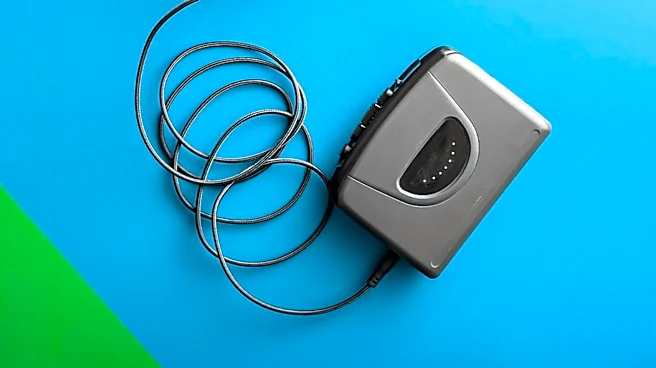
The Y2K nostalgia trend reflects a broader cultural phenomenon where consumers, particularly millennials, seek comfort and escapism in familiar elements from their past. This goes beyond mere product consumption; it's about reliving cherished memories and sharing a piece of their personal history with their children. The emphasis on 'unplugging' with items like the iPod Shuffle, which lacks internet connectivity, suggests a desire to disconnect from the constant stimulation of modern technology, harkening back to a simpler digital age. This trend also subtly influences parenting styles, as parents actively seek alternatives to excessive screen time for their children by introducing them to the toys and entertainment of their own youth. The success of this nostalgia indicates a collective yearning for perceived innocence and simplicity, offering a psychological comfort in an increasingly complex world.