


What's Happening?
South Korea's Industry Minister Kim Jung-kwan has requested the United States to ease tariffs on equipment and materials needed for a new $5.8 billion steel mill in Louisiana. The request was made during a meeting with Louisiana Governor Jeff Landry,
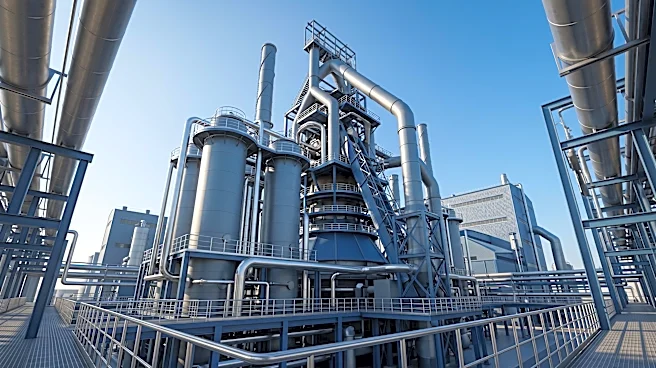
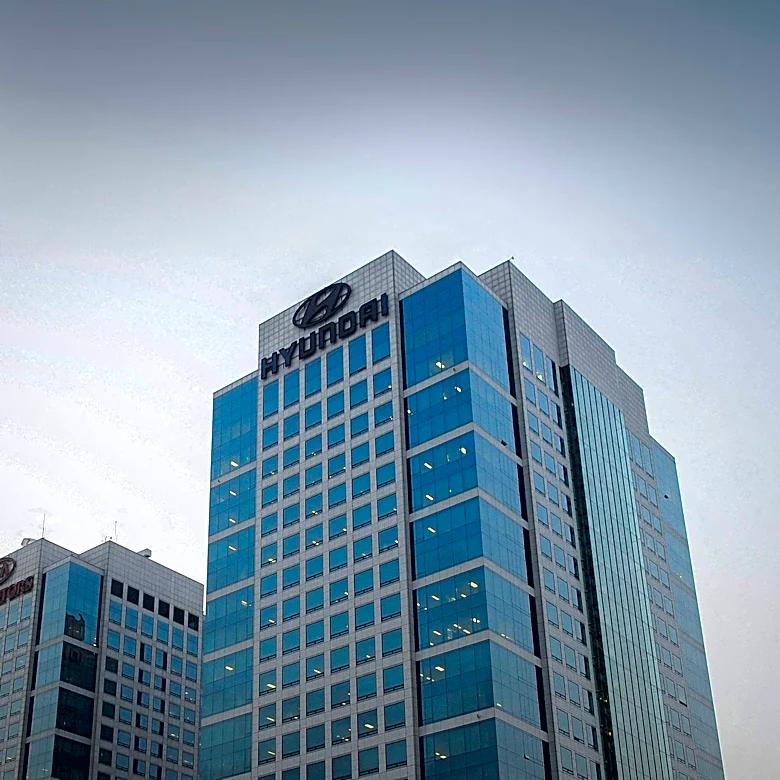
ahead of a groundbreaking ceremony for Hyundai-POSCO Louisiana Steel LLC (HPLS). HPLS is a joint venture involving Hyundai Motor Group affiliates Hyundai Steel, Hyundai Motor Co., Kia Corp., and steelmaker POSCO. The project, an electric arc furnace-based integrated steel mill, is scheduled to begin construction in the fourth quarter of the current year, with commercial production slated for 2029. The plant aims to produce 2.7 million tons of hot-rolled, cold-rolled, and galvanized steel annually, making it the first U.S. electric arc furnace-based steel mill dedicated to automotive steel. It will utilize direct reduced iron and electric arc furnaces to significantly reduce carbon emissions compared to traditional blast-furnace methods.
Why It's Important?
This project is a significant investment in U.S. industrial infrastructure and is expected to strengthen supply chain cooperation between the U.S. and South Korea. The steel mill will supply automotive steel to global automakers' facilities in the southern U.S. and Mexico, including those operated by Hyundai Motor and Kia, thereby supporting the domestic automotive industry. The use of electric arc furnaces represents a move towards more sustainable steel production, aligning with global efforts to reduce carbon emissions. Easing tariffs on necessary equipment would facilitate the timely and cost-effective completion of the project, potentially encouraging further foreign direct investment in U.S. manufacturing. The plant is also projected to create jobs and stimulate economic activity in Louisiana, contributing to regional development and high-value manufacturing.
What's Next?
The U.S. government will need to consider the request from South Korea's Industry Minister regarding tariff relief. The construction of the HPLS steel mill is set to commence in the fourth quarter, with commercial production targeted for 2029. Continued discussions between U.S. and South Korean officials are anticipated to address the tariff issue and ensure the smooth progression of the project. The success of this venture could influence future investment decisions by other foreign companies in the U.S. manufacturing sector, particularly in industries facing similar import tariff challenges. The project is part of Hyundai Motor Group's broader $26 billion U.S. investment plan, indicating a long-term commitment to expanding its presence in the American market.
Beyond the Headlines
The request to ease tariffs highlights the ongoing tension between national security trade policies, such as Section 232 of the Trade Expansion Act of 1962, and the desire to attract foreign investment for economic growth and supply chain resilience. This situation underscores the complex balance the U.S. government must strike between protecting domestic industries and fostering international partnerships that bring advanced manufacturing capabilities and green technologies. The HPLS project's focus on low-carbon steel production also signals a broader shift in the steel industry towards more environmentally friendly processes, which could set a precedent for future industrial developments in the U.S. and globally. The collaboration between major Korean industrial players and U.S. infrastructure further solidifies the economic ties between the two nations.