




What's Happening?
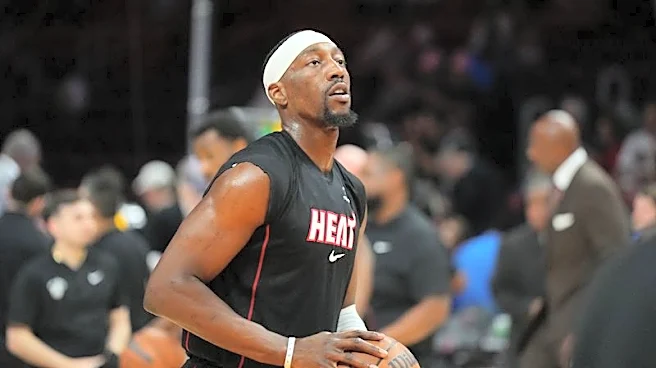
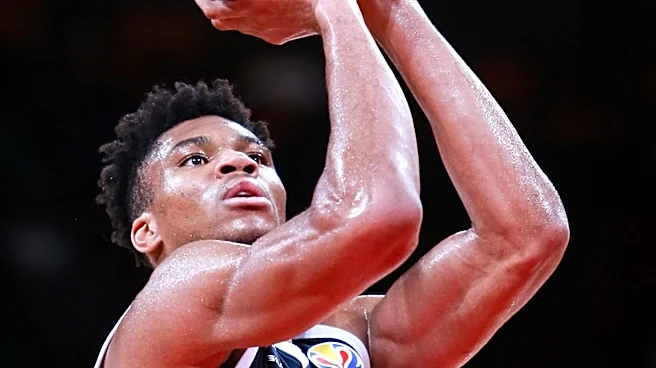
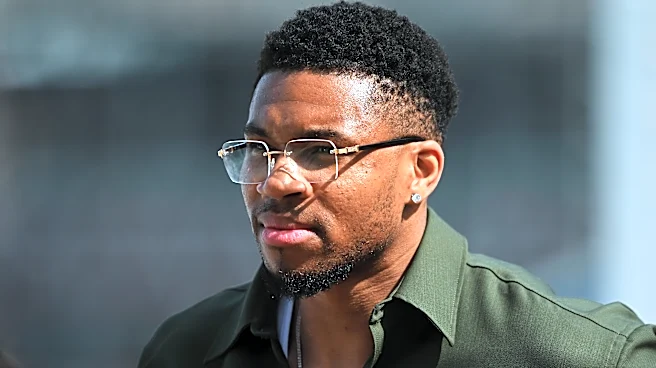
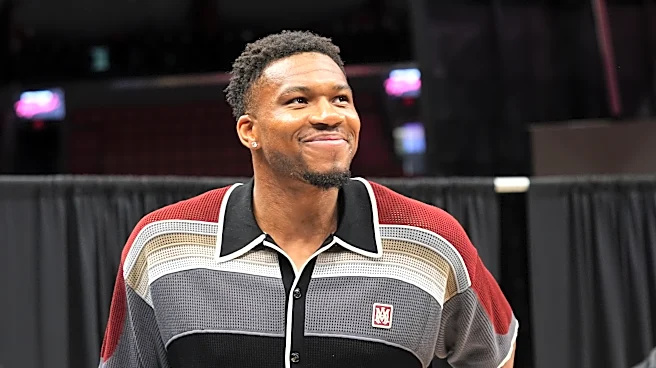
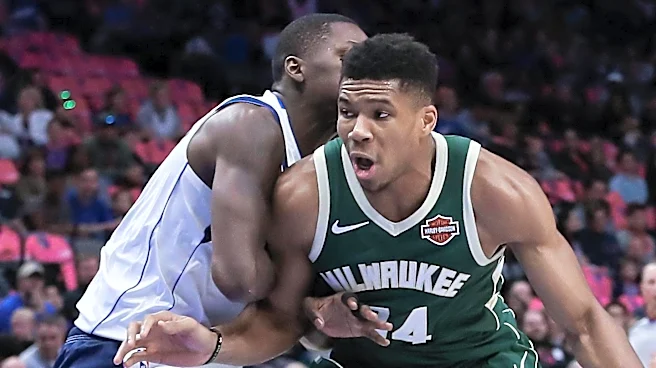
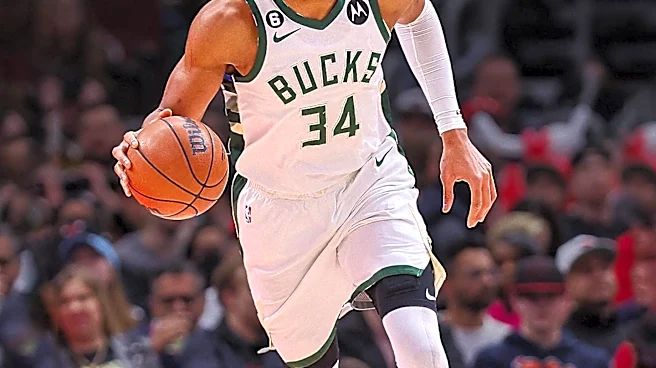
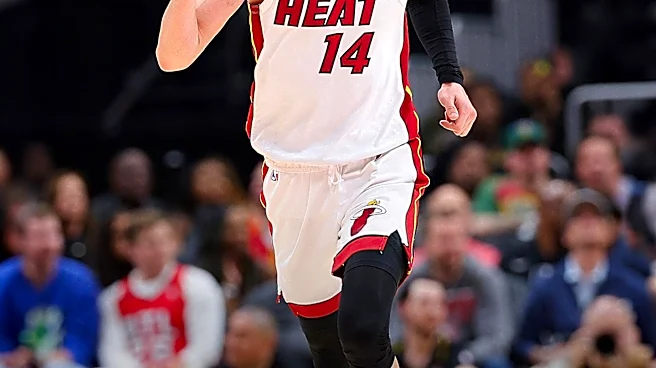
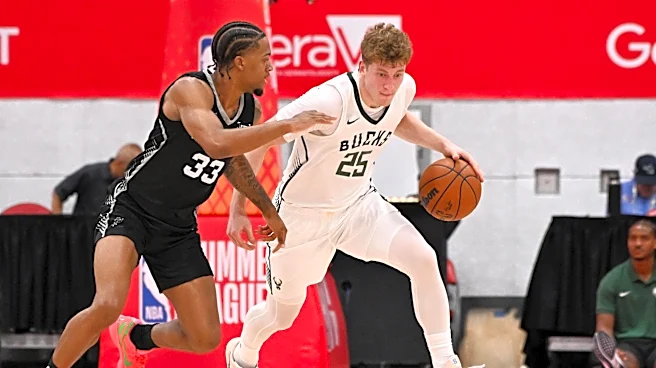
Giannis Antetokounmpo, a 10-time NBA All-Star and two-time MVP, has joined the Miami Heat, marking a significant shift in his career after a 13-year tenure with the Milwaukee Bucks. Antetokounmpo's move comes after the Bucks' recent struggles, including
three consecutive first-round playoff exits and missing the playoffs entirely last year. The Miami Heat acquired Antetokounmpo in a trade that included Tyler Herro, Kel'el Ware, Jaime Jaquez Jr., Kasparas Jakucionis, and several draft picks. This move is seen as a strategic effort by the Heat to bolster their roster and compete for an NBA championship, especially after their recent underwhelming performances.
Why It's Important?
Antetokounmpo's transfer to the Miami Heat is a major development in the NBA, as it not only alters the competitive landscape of the league but also signifies the Heat's commitment to returning to championship contention. The acquisition of a player of Antetokounmpo's caliber is expected to enhance the team's performance and increase their chances of success in the upcoming seasons. For the Bucks, losing a player who has been instrumental in their past successes, including their 2021 NBA Championship, represents a significant change and a potential challenge in maintaining their competitive edge. This trade highlights the dynamic nature of the NBA, where team compositions can shift dramatically, impacting fan engagement and team strategies.
What's Next?
With Antetokounmpo now part of the Miami Heat, the team will focus on integrating him into their system and maximizing his impact on the court. The Heat's management and coaching staff will likely work on developing strategies that leverage Antetokounmpo's strengths, aiming to improve their standings in the Eastern Conference. Meanwhile, the Bucks will need to reassess their roster and explore opportunities to fill the void left by Antetokounmpo's departure. The upcoming NBA season will be crucial for both teams as they navigate these changes and strive to achieve their respective goals.