




What's Happening?
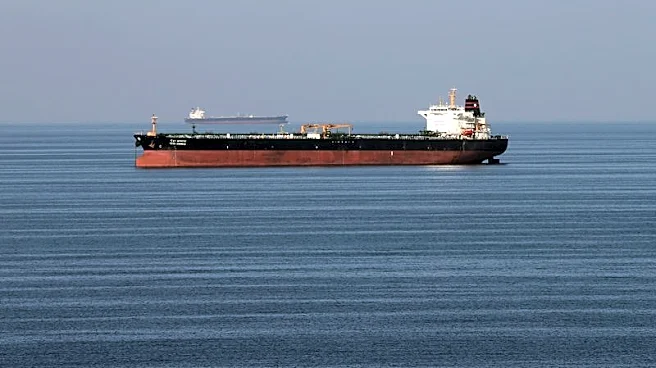
Brent crude oil prices have reclaimed the 50-day moving average amid ongoing supply risks in the Gulf region. The market is reacting to the realization that negotiations between Iran and other stakeholders, including Washington, insurers, and shipowners,
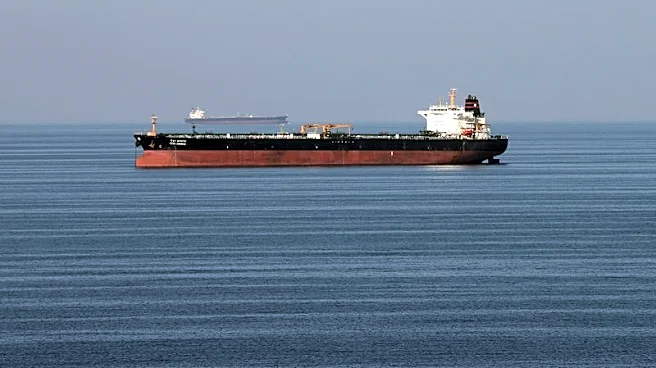
have not yet resolved the issues surrounding the Strait of Hormuz. This chokepoint remains a significant barrier, with fees, vessel restrictions, and insurance questions leaving many barrels of oil stuck. As a result, refiners have been relying on storage and rerouting cargoes, but drawdowns are becoming evident in weekly data. Both Citi and Goldman Sachs have adjusted their forecasts, with Citi raising its third-quarter Brent forecast to $80 per barrel due to the prolonged disruption.
Why It's Important?
The ongoing supply risks in the Gulf region have significant implications for global oil markets and the U.S. economy. The inability to resolve the chokepoint issues at the Strait of Hormuz affects the availability of Gulf oil, leading to tighter physical markets and increased prices. This situation impacts U.S. refiners and consumers, potentially leading to higher fuel prices. The adjustments in forecasts by major financial institutions like Citi and Goldman Sachs reflect the market's anticipation of continued volatility and uncertainty. The prolonged disruption could also influence U.S. energy policy and international relations, particularly with Iran.
What's Next?
The market will closely monitor any developments in negotiations that could lead to a resolution of the Strait of Hormuz issues. A confirmed agreement could stabilize oil prices and improve supply conditions. However, without such an agreement, the premium on Brent crude is likely to persist, maintaining pressure on refiners and consumers. The situation may prompt further strategic decisions by U.S. policymakers and energy companies to mitigate the impact of supply disruptions. Additionally, any escalation in tensions could exacerbate the current supply challenges, leading to further market volatility.