







What's Happening?
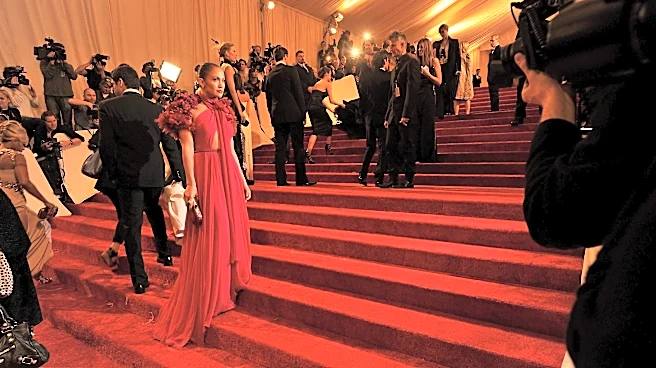
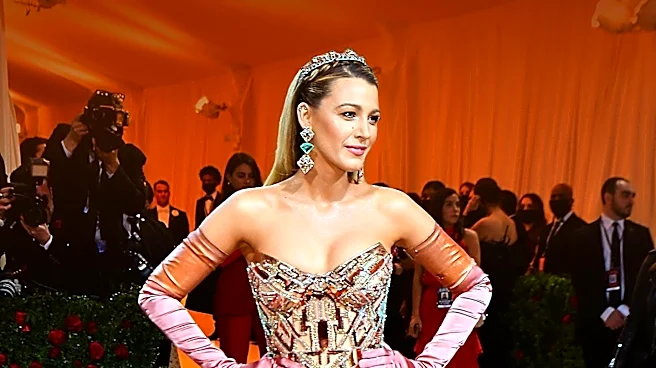
The Metropolitan Museum of Art has announced 'ExtraORDINARY: Fashion and the Poetics of the Everyday' as the theme for the 2027 Met Gala, scheduled for May 3, 2027. This new theme replaces a previously planned John Galliano retrospective, which faced
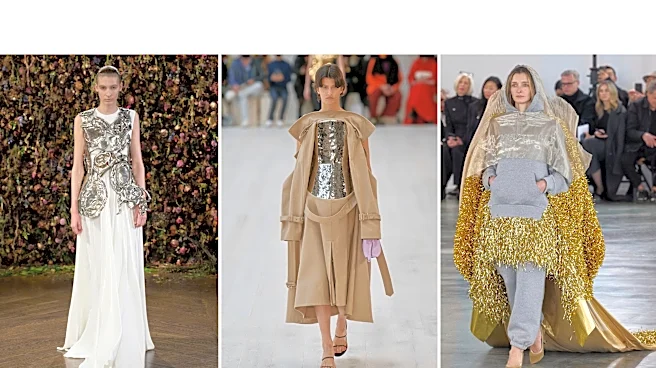
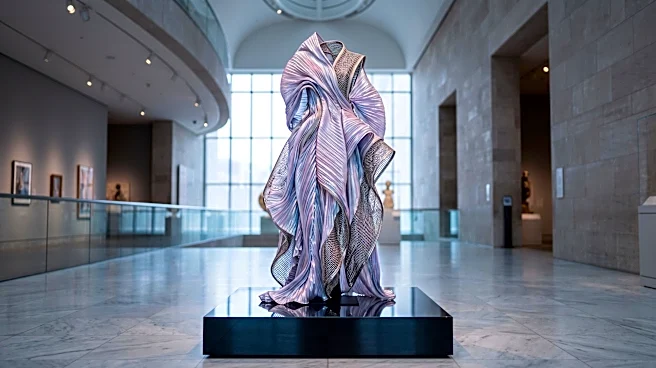
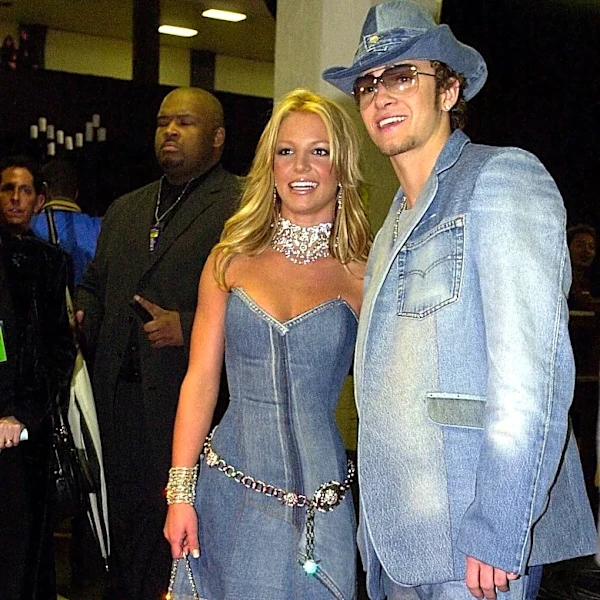
public pushback and was subsequently canceled. Curated by Andrew Bolton, Stephanie Kramer, and Emily Mushaben, the exhibition aims to explore the artistry in everyday wardrobes. The showcase will be divided into two main sections. The first will focus on how luxury designers reinterpret common staple items such as jeans, trench coats, and white T-shirts. The second section will highlight garments created from disposable, everyday materials like paper, plastic, and aluminum. Confirmed pieces for the exhibition include Matthieu Blazy’s trompe l’œil nubuck leather tank and jeans from Bottega Veneta’s Fall 2022 collection, a T-shirt dress by Undercover worn by Doja Cat at the 2024 Gala, and archival items like a 1992 Comme des Garçons paper dress. Jonathan Anderson’s breastplate metalwork for Loewe and a silverware bodice from Maison Margiela’s upcoming Spring 2027 collection are also expected to be featured.
Why It's Important?
This thematic shift for the Met Gala is significant as it signals a move towards a more accessible and perhaps less controversial exploration of fashion. Following the cancellation of the John Galliano retrospective, which likely aimed to avoid further public scrutiny, the 'ExtraORDINARY' theme offers a 'palate cleanser' by focusing on the artistic merit found in common objects and materials. This approach could broaden the appeal of the exhibition, inviting a wider audience to appreciate fashion beyond high-camp fantasy. For the fashion industry, it emphasizes sustainability and the creative potential of everyday items, potentially influencing future design trends towards practicality and innovative material use. The focus on deconstructed basics and recycled materials could also spark conversations about consumerism and the environmental impact of fashion, encouraging designers and consumers alike to reconsider the value and longevity of clothing. This theme also challenges the traditional perception of luxury, suggesting that artistry can be found in the mundane.
What's Next?
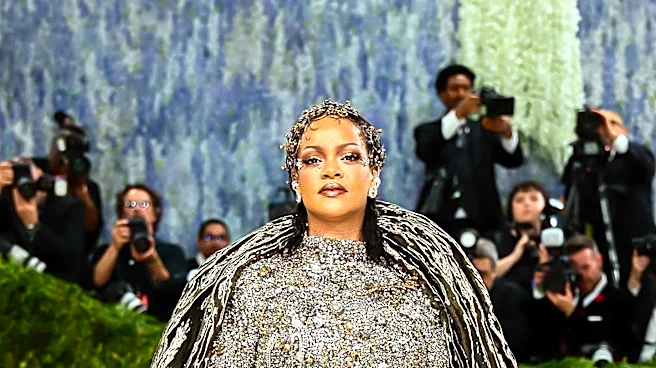
As the Met Gala approaches on May 3, 2027, anticipation will build around how celebrities and designers interpret the 'ExtraORDINARY' theme on the red carpet. The event will serve as a major platform for designers to showcase their creativity within the parameters of everyday fashion and sustainable materials. The exhibition itself will open to the public shortly after the gala, offering a detailed exploration of the theme through historical and contemporary pieces. This could lead to increased public engagement with the Costume Institute's work and potentially influence fashion education and discourse. Furthermore, the theme's emphasis on sustainability and the re-evaluation of everyday items might inspire fashion brands to incorporate more eco-conscious practices and designs into their collections in the coming years. The public's reception of both the gala's red carpet looks and the exhibition will be closely watched as an indicator of evolving tastes and priorities within the fashion world.
Beyond the Headlines
The 'ExtraORDINARY' theme delves into deeper cultural implications by challenging the traditional hierarchy of fashion, where haute couture often overshadows everyday wear. By elevating common items like jeans and T-shirts to the status of art, the Met Gala is implicitly questioning what constitutes 'fashion' and 'luxury.' This could lead to a re-evaluation of craftsmanship and design in mass-produced items, encouraging consumers to appreciate the artistry in their daily attire. Ethically, the focus on disposable materials like paper and plastic could highlight the fashion industry's role in environmental degradation and promote a more circular economy. It also touches upon the concept of 'democratic fashion,' suggesting that style and innovation are not exclusive to high-end brands but can be found in accessible, everyday objects. This theme might also spark a broader cultural conversation about consumerism, waste, and the potential for creativity within limitations, pushing the boundaries of what is considered aesthetically valuable.