





What's Happening?
Fast fashion operates on a business model centered around the mass production of inexpensive clothing, designed to encourage continuous consumer purchasing through frequent new collections and aggressive marketing. This approach, which traces its origins
to the mid-19th century with the advent of the sewing machine and global trade networks, has evolved into a 'race to the bottom' where brands prioritize speed and low cost. Companies now release dozens of collections annually, with some 'ultra-fast fashion' retailers introducing thousands of new items daily. This model heavily relies on synthetic fibers and rapid production cycles, often resulting in poor-quality garments that quickly wear out. The industry faces significant criticism for its environmental impact, including water contamination, air pollution, and marine litter from synthetic microfibers. Additionally, fast fashion is frequently associated with exploitative labor practices. Influencer marketing plays a crucial role in driving this consumption, creating urgency and social pressure through 'hauls' and trend-based content, often blurring the lines between genuine recommendations and paid promotions.
Why It's Important?
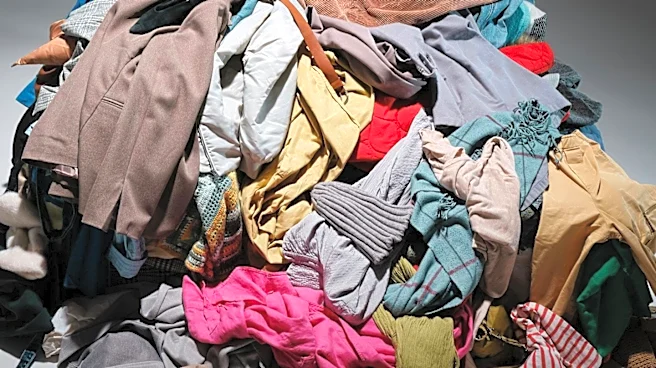
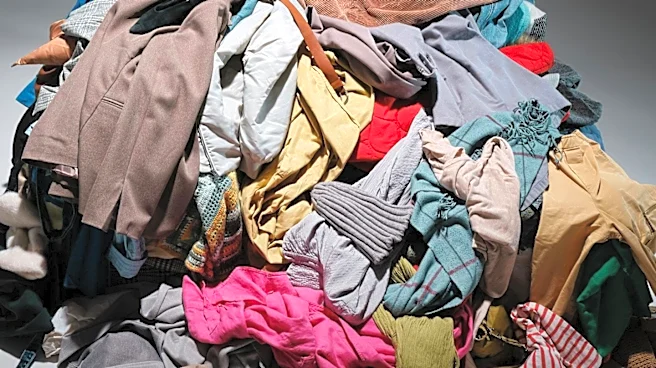
The prevalence of fast fashion has profound implications for both the environment and consumer behavior. Environmentally, the industry is a major contributor to pollution, consuming vast amounts of land, water, and raw materials. The production of synthetic fibers, often from fossil fuels, and the dyeing processes release harmful chemicals into waterways, while microplastics from washing synthetic clothes pollute oceans. This unsustainable consumption model exacerbates climate change and depletes natural resources. Socially, the constant push for new trends fosters a culture of disposability, where garments are worn few times before being discarded, leading to massive textile waste. Economically, while offering seemingly affordable clothing, the true cost is externalized onto the environment and often borne by underpaid garment workers. The influence of social media and influencers further complicates this, as consumers, even those aware of the environmental impact, may prioritize social acceptance and trends over ethical consumption, making it difficult to shift towards more sustainable practices.
What's Next?
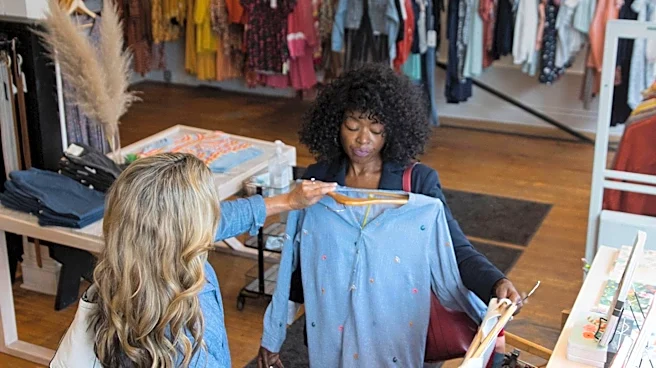
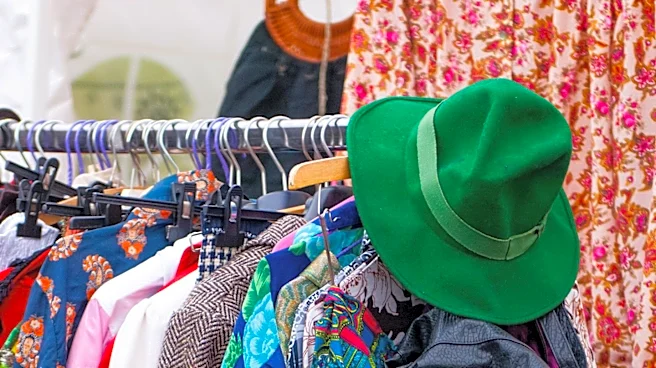
Addressing the challenges posed by fast fashion will likely involve a multi-faceted approach from various stakeholders. Regulatory bodies, such as those in the EU, are developing strategies for sustainable and circular textiles, aiming to extend clothing durability, improve access to repair services, and alter production and consumption patterns. This could lead to stricter regulations on material sourcing, manufacturing processes, and waste management within the fashion industry. Consumers may see increased efforts to promote mindful consumption, such as encouraging the repair and re-wearing of existing clothes, and supporting second-hand markets. However, even second-hand platforms can inadvertently perpetuate overconsumption through similar marketing tactics. Influencers could also play a role in promoting sustainable fashion by sharing restyling tips and upcycling ideas, shifting their focus from continuous consumption to creative reuse. The ongoing challenge will be to balance consumer demand for affordable fashion with the urgent need for environmental and social responsibility.
Beyond the Headlines
The fast fashion phenomenon highlights deeper societal issues beyond just clothing production and consumption. It underscores the power of marketing and social media in shaping consumer desires, often overriding ethical considerations. The 'fear of missing out' (FOMO) and the 'need to belong' are powerful psychological drivers exploited by the industry, creating a cycle of constant acquisition. This raises questions about consumer autonomy and the effectiveness of current regulations in protecting consumers from manipulative marketing, especially among younger demographics. Furthermore, the globalized nature of the fashion supply chain means that environmental and labor abuses in one part of the world have ripple effects globally, making it a complex issue requiring international cooperation. The shift towards a more sustainable fashion industry would necessitate a fundamental re-evaluation of our relationship with material goods, moving away from disposability towards valuing longevity, craftsmanship, and ethical production. This cultural shift would involve not just policy changes but also a significant change in consumer mindset and behavior.