





What's Happening?
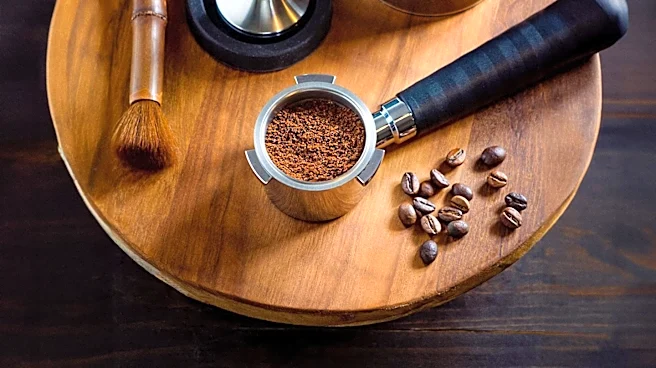
Meraki has released a detailed guide on selecting the correct espresso tamper size, emphasizing that the tamper must precisely fit the espresso basket. The guide clarifies that a tamper base that is too small will leave untamped coffee, while one that is too large
will scrape the basket or not fit at all. It advises measuring the inside diameter of the basket at the height the tamper will sit, rather than just the rim flare, and measuring the tamper base across its flat surface. The company stresses that the tamper base should be slightly smaller than the basket to ensure a clean entry without leaving an untamped ring. The guide also addresses common misconceptions, such as assuming a '58 mm' label guarantees a perfect fit, and provides a size chart as a starting point for home users. It also touches upon the importance of checking handle height for clearance and notes that spring-loaded tampers, while helpful for leveling, do not negate the need for correct diameter.
Why It's Important?
This guide is important for coffee enthusiasts and professionals in the U.S. who seek to optimize their espresso preparation. The precision in tamper sizing directly impacts the quality of espresso extraction, influencing flavor and consistency. For businesses, particularly cafes and coffee shops, ensuring proper tamping can lead to a higher quality product, enhancing customer satisfaction and potentially increasing sales. Home users can avoid common errors that lead to subpar espresso, saving time and coffee beans. The emphasis on accurate measurement over generic sizing helps consumers make informed purchasing decisions, reducing returns and dissatisfaction. This detailed approach to a seemingly small component of coffee making underscores the growing demand for precision and quality in the U.S. specialty coffee market, benefiting both consumers and equipment manufacturers who prioritize product performance.
What's Next?
Consumers and businesses in the U.S. coffee industry are expected to utilize Meraki's guide to improve their espresso preparation techniques and equipment selection. This could lead to a more informed market where demand for precisely sized tampers and baskets increases. Manufacturers of espresso equipment may see a shift in consumer expectations, prompting them to provide more detailed sizing information or to standardize basket dimensions. Coffee educators and baristas might incorporate these guidelines into their training programs, further professionalizing the craft of espresso making. The guide's focus on measurement tools like calipers suggests a move towards more scientific and less anecdotal approaches to coffee preparation, potentially influencing future product development and consumer education initiatives within the U.S. coffee community.
Beyond the Headlines
The meticulous attention to detail in espresso tamper sizing, as highlighted by Meraki, reflects a broader trend in the U.S. towards precision and optimization in various consumer and professional domains. This focus on minute details, such as the exact fit of a tamper, speaks to a culture that values craftsmanship and the pursuit of perfection in everyday activities. Ethically, it promotes informed consumer choices and discourages misleading product labeling. Legally, while not directly addressed, the emphasis on accurate measurements could indirectly influence standards for product descriptions and consumer protection in the coffee equipment market. Culturally, it reinforces the idea that even small components can significantly impact the overall experience, fostering a deeper appreciation for the art and science behind seemingly simple processes like brewing coffee.