



What's Happening?
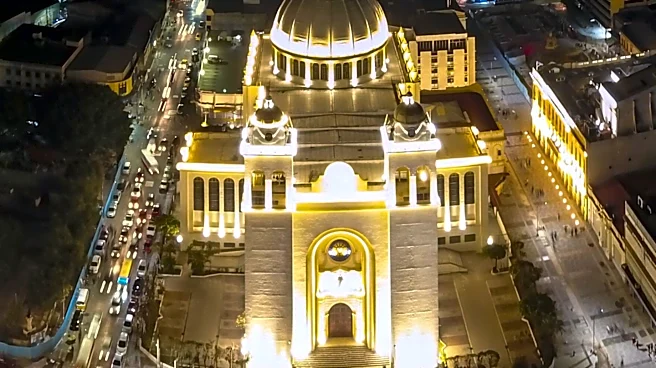
San Miguel, a colonial town in El Salvador, is gaining recognition as an authentic, off-the-beaten-path travel destination. The city, founded in 1569 by Spanish conquistador Pedro de Mendoza, boasts a rich history, Spanish colonial architecture, and a vibrant
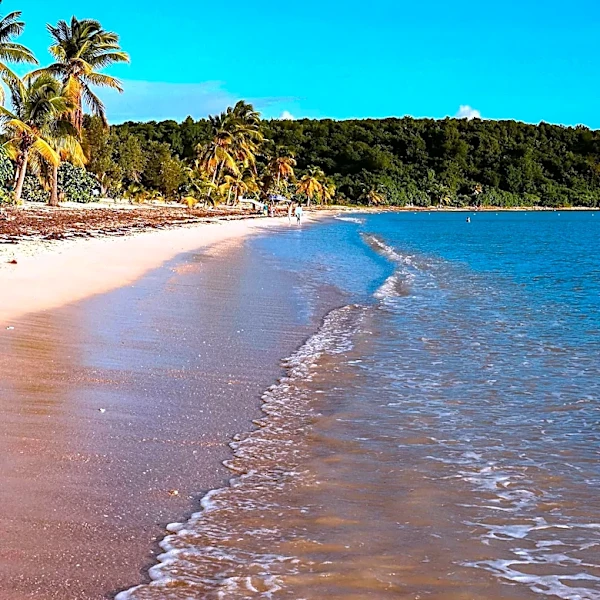
culture influenced by indigenous and African heritage. Key landmarks include Plaza Libertad, the Iglesia Catedral de San Miguel Arcangel, and the Museo de Arte Religioso. Visitors can experience the local culture through its cuisine, featuring traditional dishes like pupusas, tamales, and empanadas. The city is also a gateway to natural attractions such as the Pacific Ocean, lakes, and mountains, offering opportunities for hiking, surfing, and fishing.
Why It's Important?
The emergence of San Miguel as a tourist destination is significant for El Salvador's economy and cultural preservation. Increased tourism can stimulate local businesses, create employment opportunities, and provide funding for the maintenance of historical sites and natural parks. It also offers travelers an alternative to more commercialized destinations, promoting a deeper understanding of Salvadoran history and culture. For the U.S. travel market, this provides a new option for those seeking authentic cultural experiences and adventure travel in Central America. The growth of tourism in San Miguel could also encourage infrastructure development and improved services, benefiting both visitors and local residents.
What's Next?
As San Miguel continues to gain popularity, it is likely to see further development in its tourism infrastructure, including more accommodation options and tour services. Local authorities and tourism boards may implement strategies to manage the influx of visitors while preserving the city's authentic charm and historical integrity. There may also be increased efforts to promote San Miguel internationally, particularly in markets like the U.S., through travel expos and digital campaigns. The city will need to balance tourism growth with sustainable practices to ensure that its cultural and natural resources are protected for future generations. Visitors can expect a continued focus on showcasing local cuisine, crafts, and cultural events.
Beyond the Headlines
The rise of San Miguel as a tourist destination reflects a broader shift in travel preferences towards authentic, immersive experiences over conventional tourist traps. This trend can empower local communities by providing direct economic benefits and fostering a sense of pride in their heritage. However, it also presents challenges, such as the potential for over-tourism, cultural commodification, and environmental strain. The long-term success of San Miguel as a sustainable tourist destination will depend on careful planning, community involvement, and policies that prioritize responsible tourism. It also highlights the potential for lesser-known regions to leverage their unique cultural and natural assets to attract international visitors, contributing to a more diverse global tourism landscape.