


What's Happening?
Rosie Borchert, NASM-CPT with REP Fitness, has identified five daily exercises that can help individuals over 50 reduce belly fat more effectively than traditional gym classes. These exercises include walking, engaging in enjoyable cardio, core work,
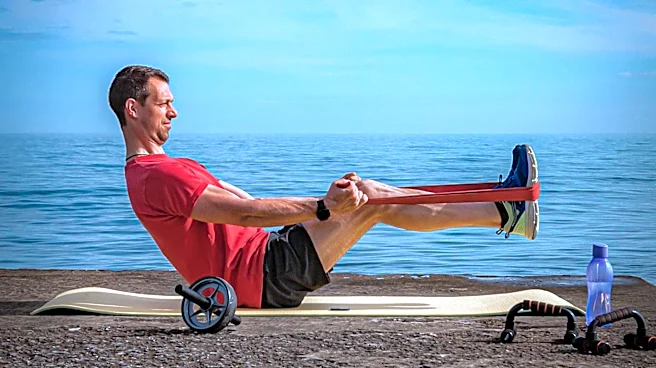
lower-body strength training, and upper-body strength training. Borchert emphasizes that while spot-reduction is a myth, these workouts, when combined with a calorie deficit, can support overall fat loss and strengthen the core. Walking is highlighted as a low-impact, accessible way to burn calories and support long-term weight management. For cardio, the recommendation is to choose activities one genuinely enjoys to ensure consistency. Core work, such as dead bugs, planks, sit-ups, Russian twists, and flutter kicks, is crucial for spinal health, posture, and balance. Strength training for both upper and lower body is vital to preserve lean muscle mass during fat loss and promote body recomposition.
Why It's Important?
This guidance is significant for the U.S. population, particularly for individuals over 50, who often face unique challenges in managing weight and maintaining physical health. Visceral fat, the dangerous type of belly fat, is linked to serious health risks such as heart disease, type-2 diabetes, and certain cancers. Providing accessible and effective exercise strategies can empower this demographic to improve their health outcomes and quality of life. The emphasis on enjoyable cardio and accessible activities like walking can increase adherence to exercise routines, which is a common barrier for many. Furthermore, the focus on strength training addresses the age-related loss of muscle mass, which is crucial for metabolism and overall body function. This expert advice can influence public health initiatives and personal fitness choices, promoting a more holistic approach to health and wellness for older adults.
What's Next?
Individuals over 50 are encouraged to integrate these five types of exercises into their weekly routines, aiming for consistency and enjoyment. Borchert suggests performing core, lower-body, and upper-body strength training two to three times a week, focusing on hypertrophy rep ranges (eight to 12 reps) for three to four sets. Progressive overload, by increasing resistance or reps, is recommended as strength improves. The advice also underscores the importance of combining these exercises with a calorie deficit through nutrition. Health and fitness professionals may incorporate these recommendations into their programs for older adults, and fitness product manufacturers might see increased demand for equipment suitable for home workouts or low-impact activities. Public health campaigns could also leverage this information to promote healthier lifestyles among the aging population.
Beyond the Headlines
Beyond the immediate health benefits, this approach to exercise for older adults touches upon broader societal implications regarding aging and wellness. By promoting accessible and enjoyable physical activity, it challenges the notion that significant physical decline is an inevitable part of aging. The focus on preserving lean muscle mass through strength training highlights the importance of maintaining functional independence and reducing the risk of age-related injuries. This shift towards personalized and sustainable exercise habits, rather than solely relying on intense gym classes, could lead to a more inclusive fitness culture that caters to diverse needs and preferences. It also underscores the growing recognition of the interconnectedness between physical activity, nutrition, and overall well-being, advocating for a holistic approach to health management that extends beyond mere weight loss.