




What's Happening?
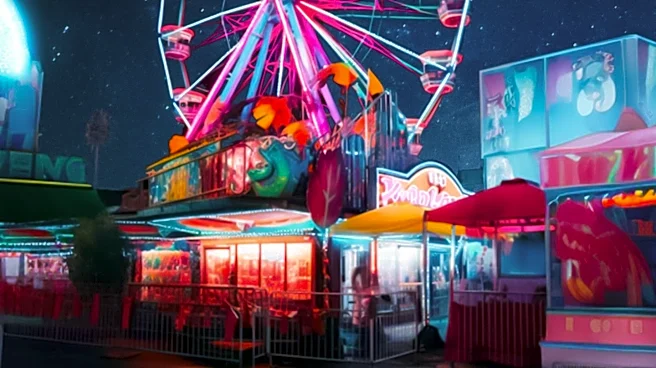
U.S. State Fairs, which trace their origins to Syracuse, New York, in 1841, have evolved significantly beyond their initial focus on livestock displays to incorporate a diverse array of quirky and elaborate traditions nationwide. A prime example is the Iowa
State Fair, renowned for its annual butter cow sculpture, a tradition dating back to 1911. This impressive sculpture, standing five-and-a-half feet tall and eight feet long, is meticulously crafted from approximately 600 pounds of butter over a structural frame of wood, metal, wire, and steel mesh, and is maintained in a 40-degree cooler. A unique aspect is that much of the butter is often preserved for use in the following year's creation. In Colorado, the State Fair hosts a distinctive pet rock competition, where rocks vie for recognition in categories such as 'best dressed' and distance rolling, typically divided by age groups. The Iowa State Fair also features a 'Husband Calling Competition,' offering a $5 prize to women who can best emulate the historical practice of shouting their husbands' names into megaphones to call them in from the fields. Furthermore, llama and alpaca-dressing contests are popular attractions at the Nebraska, Indiana, and Minnesota state fairs, where these animals are adorned in elaborate costumes, serving both as entertainment and a training exercise. North Dakota's Redneck Relay provides a messy spectacle with challenges like hauling greased watermelons and devouring whipped cream pies. Meanwhile, New Mexico's State Fair challenges participants to create unique and delicious foods, with past winners including 'Sweet and Spicy Spam Fries' and a 'Belgian Waffle Green Chile Cheeseburger.' These diverse traditions underscore the eccentric and rich cultural fabric of American state fairs.
Why It's Important?
These distinctive traditions at U.S. State Fairs hold significant importance as they represent a unique fusion of agricultural heritage, community entertainment, and regional identity. They function as cultural touchstones, preserving historical practices like the husband calling competition while also embracing modern, whimsical contests such as pet rock competitions and animal dressing. For U.S. society, these fairs provide vital spaces for community gathering, fostering a strong sense of local pride and continuity across generations. Economically, state fairs contribute substantially to local economies through tourism, vendor sales, and the promotion of agricultural products. They also offer a crucial platform for showcasing local produce and crafts, thereby supporting small businesses and farmers. The emphasis on innovative food creations, as seen in New Mexico, reflects an inventive spirit and a celebration of regional culinary traditions. By attracting large crowds and offering a wide array of attractions, these events reinforce social bonds and provide a welcome respite from daily routines, contributing to the overall well-being and cultural richness of American communities. They exemplify how traditional events can adapt and remain relevant by incorporating elements of humor, creativity, and local distinctiveness.
What's Next?
As U.S. State Fairs continue their evolution, the future of these quirky traditions will likely involve a strategic balance between preserving their historical heritage and adapting to contemporary interests. Fair organizers may explore innovative approaches to engage younger generations while meticulously maintaining the inherent charm of long-standing events. This could encompass integrating digital elements into competitions, expanding social media presence to highlight unique attractions, or introducing new categories that reflect current trends in pop culture or sustainability. There might also be an increased focus on the storytelling behind these traditions, aiming to educate visitors about their origins and cultural significance. For instance, the skilled butter cow sculptors might gain more public recognition, or the historical context of the husband calling competition could be further emphasized. The sustained success of these traditions will depend on their continued ability to draw crowds and generate public interest, potentially leading to more elaborate displays, increased prize money, or broader media coverage. The ongoing challenge for fair organizers will be to keep these events fresh and appealing without compromising the authentic, grassroots spirit that makes them so distinctive and beloved by attendees.
Beyond the Headlines
The enduring popularity of quirky state fair traditions offers a fascinating insight into American cultural values and the human need for communal celebration. Beyond mere entertainment, these events often serve as a collective expression of regional identity, humor, and a playful defiance of the mundane. The butter cow, for example, transcends its literal form to become an iconic symbol of the Iowa State Fair, embodying a blend of agricultural roots and artistic whimsy. The pet rock competition, while seemingly absurd, taps into a nostalgic, childlike creativity and a desire for simple, accessible forms of competition. These traditions, often passed down through generations, reinforce a sense of continuity and shared experience in an increasingly fragmented world. They highlight a cultural appreciation for the eccentric and the handmade, contrasting with the polished, commercialized entertainment prevalent elsewhere. The fairs, through these unique attractions, provide a space where community members can engage in lighthearted competition, celebrate local distinctiveness, and collectively participate in a shared cultural narrative, fostering a sense of belonging and collective memory that extends far beyond the event itself.