





What's Happening?
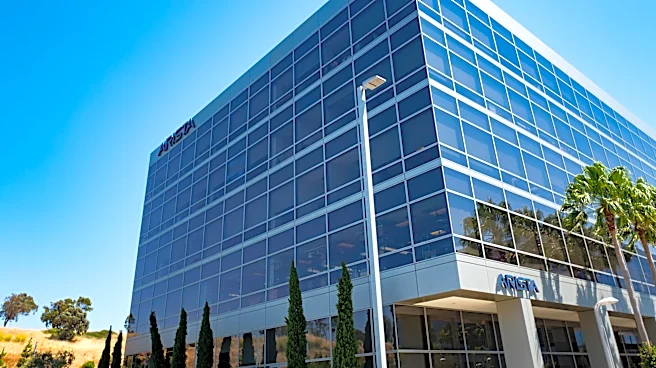
Arista Networks (ANET) experienced a 15% stock value decline over the past week, despite no specific company news. This drop is attributed to a broader selloff in AI-hardware stocks, closely linked to Nvidia. In response, Rosenblatt Securities reaffirmed
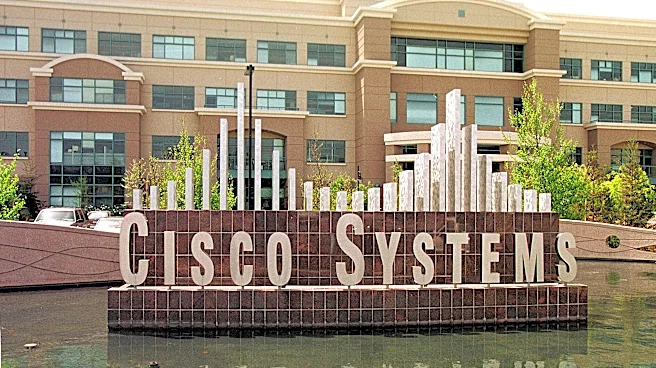
its 'Buy' rating for Arista Networks on November 19, setting a price target of $280, which represents a 67% upside from the stock's closing price for the week. The market's concern stems from potential slowdowns in data center build-outs, a sentiment echoed by investor Steve Eisman. However, other companies in the sector, such as Cisco Systems and Dell Technologies, have not reported similar slowdowns. Cisco recently raised its fiscal 2027 guidance, projecting $9 billion in AI infrastructure revenue from hyperscalers, more than double its fiscal 2026 figures. Dell also reported a record $95 billion AI server backlog at the end of its July quarter, with its upcoming November 24 report expected to provide further clarity on order trends.
Why It's Important?
This situation highlights the volatility and interconnectedness within the AI hardware sector, where market sentiment around one major player like Nvidia can significantly impact related companies such as Arista Networks. The decline in Arista's stock, despite strong underlying company performance and analyst confidence, indicates that investor fears about a potential slowdown in AI infrastructure spending are influencing market behavior. Rosenblatt's reiterated 'Buy' rating and optimistic price target suggest that some analysts view the current dip as a buying opportunity, believing the company's fundamentals remain strong. The performance of Cisco and Dell, which have shown continued growth in AI-related revenues and backlogs, could either alleviate or intensify concerns about the broader AI hardware market, depending on their future reports. This dynamic is crucial for investors tracking the long-term growth trajectory of AI infrastructure development and the companies powering it.
What's Next?
Investors will closely monitor upcoming financial reports from key players in the AI hardware ecosystem. Dell Technologies' report on November 24 will be a significant indicator, as it will reveal whether the company's AI server orders are slowing down, which could either confirm or contradict the broader market fears affecting Arista Networks. Arista Networks itself is expected to release its fourth-quarter results in mid-February. The company's revenue performance, particularly if it falls within the guided range of $3.9 billion to $4.0 billion, and an adjusted gross margin of 63% or better, will be critical in validating Rosenblatt's optimistic outlook and potentially restoring investor confidence. Until then, Arista's stock performance is likely to remain sensitive to the prevailing sentiment surrounding overall AI spending and any news related to major AI hardware manufacturers.
Beyond the Headlines
The recent stock movement of Arista Networks underscores a broader market trend where companies perceived as beneficiaries of the AI boom are subject to rapid re-evaluations based on shifting investor sentiment, even in the absence of direct company news. This phenomenon highlights the speculative nature of certain segments of the technology market, where future growth potential, particularly in emerging fields like AI, can lead to both significant gains and sharp corrections. The concentration risk, with Microsoft and Meta accounting for 42% of Arista's 2025 revenue, also presents a long-term consideration. While this indicates strong partnerships, it also exposes Arista to the spending patterns and strategic shifts of a few major clients. This situation prompts a deeper look into how market narratives, often driven by the performance of industry leaders, can disproportionately affect the valuations of otherwise healthy companies within the same ecosystem.