

What's Happening?
Designers are emphasizing the use of multipurpose furniture and maximizing wall space to enhance storage and functionality in small bedrooms. Rachel Chudley, director of Rachel Chudley Interior Design, suggests viewing small bedrooms as opportunities
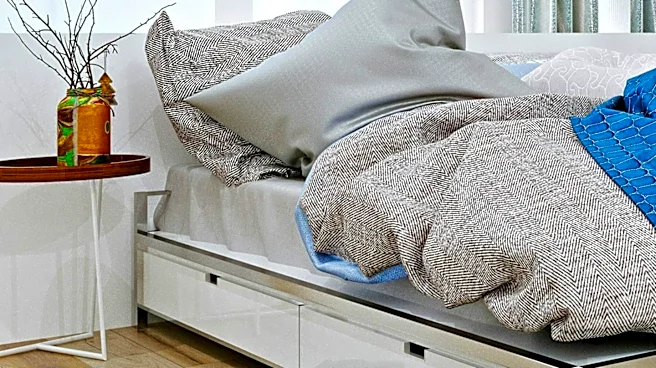
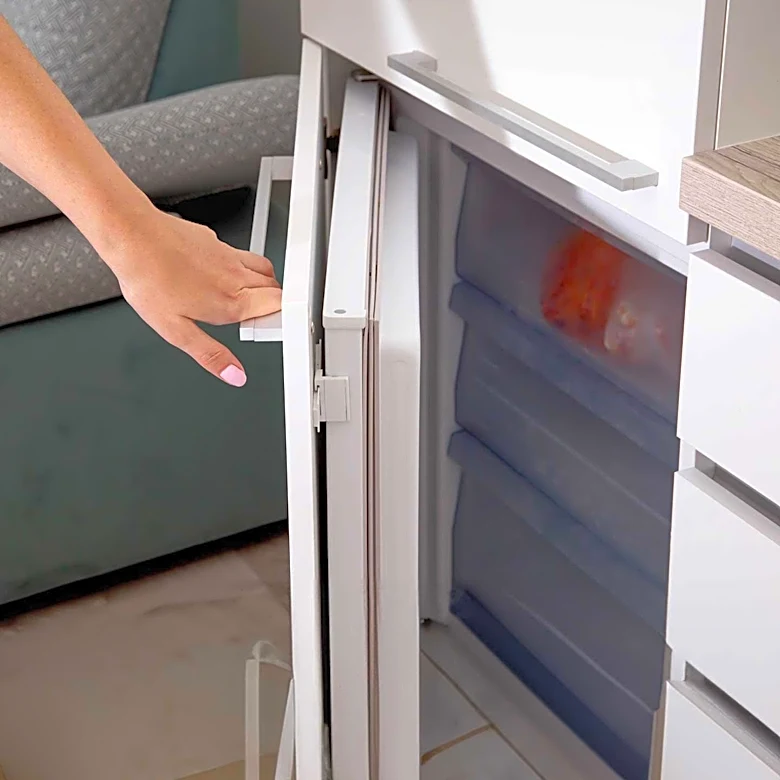
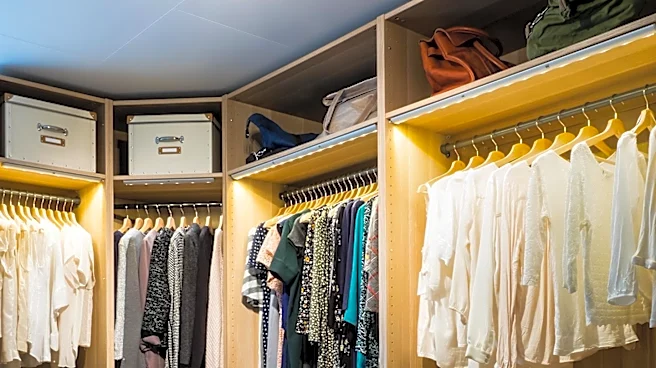
for significant design impact rather than limiting spaces. She advises against paring everything back and instead encourages bold design choices like patterns. Louise McGarry, creative director of Studio Braw, highlights built-in storage that utilizes a room's full height, such as wardrobes reset into alcoves to save floor space. Christian Bense, founder of Christian Bense studio, recommends ottoman beds with full storage divans, noting their practicality for everyday use. Laura W Jenkins, founder of Laura W Jenkins Interiors, advocates for vintage and antique pieces that offer dual functionality, like glass-front cabinets for display and storage, or tiered tables serving as nightstands and bookshelves. Natasha Lyon, founder of Appreciation Project, draws inspiration from boutique hotels to create practical layouts, incorporating custom furniture that zones areas while maintaining flow and openness, such as pull-out wardrobes under eaves.
Why It's Important?
The trend towards multipurpose furniture and optimized storage in small bedrooms reflects a broader shift in urban living, where space is often at a premium. This approach is crucial for individuals and families in metropolitan areas who need to maximize the utility and aesthetic appeal of compact living environments. By integrating storage seamlessly and choosing furniture with dual functions, residents can avoid clutter, improve organization, and create more harmonious and comfortable personal spaces. This design philosophy also impacts the furniture industry, driving innovation in modular and space-saving designs. Consumers benefit from more efficient use of their living areas, potentially reducing the need for larger, more expensive homes. The emphasis on custom solutions and thoughtful design also promotes a more sustainable approach to home furnishing, encouraging investment in quality pieces that serve multiple needs over time.
What's Next?
The continued demand for efficient living solutions is likely to drive further innovation in multipurpose furniture and integrated storage systems. We can expect to see more furniture manufacturers offering modular designs, customizable built-ins, and pieces that cleverly conceal storage. Interior designers will continue to explore creative ways to optimize small spaces, potentially incorporating advanced materials and smart home technology to enhance functionality. The market may also see an increase in vintage and antique furniture adapted for modern, space-saving needs, as consumers seek unique and sustainable options. Educational resources and design guides focusing on small-space living will likely become more prevalent, empowering homeowners to implement these strategies effectively. The focus will remain on creating aesthetically pleasing and highly functional environments that cater to the evolving needs of urban dwellers.
Beyond the Headlines
Beyond the immediate benefits of increased storage and functionality, the emphasis on multipurpose rooms and furniture touches upon deeper societal and psychological implications. In an increasingly crowded world, the ability to create serene and organized personal spaces can significantly impact mental well-being. Clutter has been linked to stress and anxiety, so efficient storage solutions contribute to a calmer home environment. Furthermore, the trend encourages a more mindful consumption approach, where quality and versatility are prioritized over quantity. This aligns with broader movements towards minimalism and sustainable living, reducing waste and promoting thoughtful investment in home goods. The design principles also foster creativity, as individuals and designers are challenged to innovate within spatial constraints, leading to unique and personalized living solutions that reflect individual lifestyles and values.