






What's Happening?
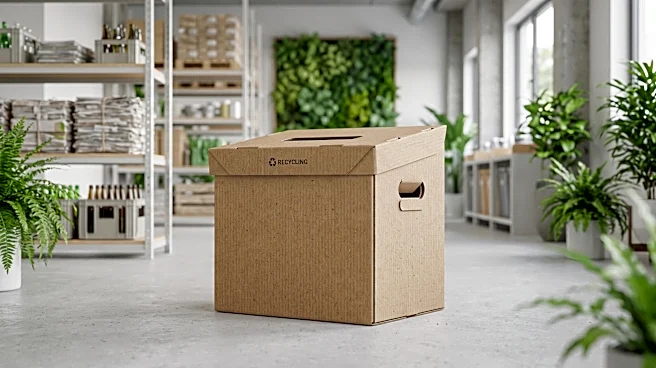
TerraCycle, a company focused on addressing gaps in municipal recycling systems, has launched a new referral program for its Zero Waste Box service. This initiative aims to scale the collection of hard-to-recycle waste materials, such as flexible plastics,
coffee capsules, and cosmetics packaging, which typically do not qualify for standard curbside recycling. The program allows existing customers who have made at least one purchase to share a unique referral link with others. When a new customer uses this link for their first order, the referrer receives store credit, and the new buyer gets a discount on their initial purchase. This strategy formalizes word-of-mouth growth, converting customer advocacy into a measurable acquisition channel. The program is designed to increase both the number of active users and the volume of materials diverted from landfills, reinforcing TerraCycle's circular materials framework by issuing store credit rather than external incentives.
Why It's Important?
This referral program is important because it offers a scalable solution for managing complex waste streams that pose significant environmental challenges in the U.S. By incentivizing customer referrals, TerraCycle is tapping into a distributed adoption model that can expand access to specialized recycling services beyond traditional institutional procurement or regulatory drivers. This approach helps reduce the volume of non-recyclable waste ending up in landfills, mitigating environmental pollution and conserving resources. For businesses and consumers, it provides a practical method to responsibly dispose of items that are otherwise difficult to recycle, fostering a more circular economy. The program's focus on store credit also encourages continued engagement within TerraCycle's ecosystem, aligning commercial growth with environmental impact and potentially lowering customer acquisition costs for the company.
What's Next?
The success of TerraCycle's referral program will likely be measured by its ability to significantly increase the volume of hard-to-recycle materials collected and the expansion of its user base. If successful, this model could influence other specialized recycling services to adopt similar customer-driven growth strategies. The program's impact on reducing landfill waste and promoting circular economy principles will be closely watched by corporate sustainability teams and waste management professionals. Continued engagement from individual customers and organizations will be crucial for the program's long-term effectiveness. TerraCycle may further refine the program based on user feedback and participation rates, potentially expanding the types of rewards or referral mechanisms to maximize its reach and environmental benefits.
Beyond the Headlines
Beyond the immediate goal of waste diversion, TerraCycle's referral program highlights a broader shift in how sustainability initiatives are being scaled. It underscores the growing recognition that individual and community engagement is vital for addressing complex environmental issues. By empowering customers to become advocates, the program taps into social networks and personal influence, demonstrating that commercial strategies can be effectively integrated with environmental objectives. This model could also foster a greater sense of collective responsibility for waste management, encouraging consumers to think more critically about product lifecycles and disposal methods. The program's emphasis on keeping materials in use and reducing raw material consumption aligns with the overarching principles of a circular economy, potentially driving innovation in product design and material science to create more easily recyclable or reusable items in the future.