






What's Happening?
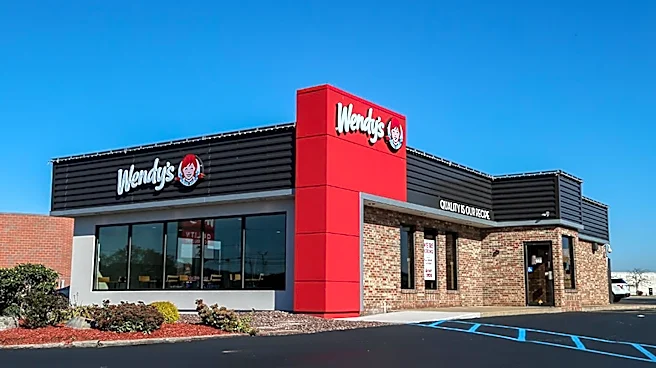
Meritage Hospitality Group Inc., a significant Wendy's Co. franchisee operating 314 locations across 15 states, has filed for Chapter 11 bankruptcy. This action follows a dispute with Wendy's regarding the termination of its franchise agreements. Wendy's claims
Meritage defaulted on royalty payments and other fees, totaling $147 million, leading to the expiration of a forbearance agreement in August. Wendy's subsequently sent an email terminating all franchise agreements on September 16, just one day before Meritage filed for bankruptcy on September 17. Meritage is now suing Wendy's in a federal bankruptcy court in Michigan, arguing that the termination notice was defective and sent during a default cure period. The franchisee asserts that its restructuring efforts depend substantially on maintaining these contracts, which it considers its 'core assets.' The legal battle centers on whether Wendy's effectively terminated the agreements before Meritage sought bankruptcy protection.
Why It's Important?
This bankruptcy case highlights critical legal questions concerning the control and monetization of franchise agreements, particularly when a franchisee enters bankruptcy. The outcome will significantly impact the balance of power between franchisors and franchisees, potentially setting precedents for how such disputes are handled in future bankruptcy proceedings. For Meritage, retaining the franchise agreements is crucial for its survival and ability to restructure, as the value of its operations is intrinsically linked to the Wendy's brand. For Wendy's, the case tests its ability to enforce contract terms and protect its brand integrity, especially when a large operator faces financial distress. The resolution will also influence creditors, who have a vested interest in maximizing the value of Meritage's assets, which largely depend on the continued operation of the Wendy's restaurants. The case underscores the complexities of franchise law and bankruptcy protections in the U.S. business landscape.
What's Next?
The immediate next step involves the U.S. Bankruptcy Court for the Western District of Michigan, where Judge James W. Boyd will assess the validity of Wendy's termination notice and the sequence of events leading up to Meritage's bankruptcy filing. This will involve a detailed examination of the underlying franchise agreements and relevant legal precedents. The court's decision on whether the franchise agreements were properly terminated before the bankruptcy filing will be a pivotal moment, determining if Meritage can leverage bankruptcy protections to retain the contracts. Regardless of the initial ruling, Wendy's will likely maintain significant influence over the case, as brand owners typically retain rights over who operates their branded locations. The case could lead to a comprehensive sale process of Meritage's assets, potentially to other approved franchisees, or a negotiated settlement between Meritage and Wendy's to preserve the operational value of the restaurants and minimize brand damage.
Beyond the Headlines
This case delves into the deeper implications of brand control versus franchisee autonomy within the U.S. franchise model. It exposes the inherent tension between a franchisor's need to protect its brand standards and financial interests, and a franchisee's right to manage its business, especially during financial hardship. The differing views among federal circuits on whether a franchisor can prevent a bankrupt franchisee from keeping or selling franchise deals add another layer of complexity, highlighting a lack of uniform legal interpretation. The outcome could influence lending practices for franchisees, as creditors will closely watch how their investments are protected in such disputes. If franchisors are seen as having excessive power to terminate agreements, it could make it harder for franchisees to secure financing, potentially impacting the growth and stability of franchise-based businesses across various sectors. Conversely, if franchisees gain more leverage, franchisors might seek to revise their agreements to mitigate risks, leading to broader contractual shifts in the industry.