




What's Happening?
Pedalers, an adventure travel company, has evolved its offerings to concentrate on 'soft adventure' travel. This shift moves away from trips primarily designed for hardcore cycling enthusiasts towards experiences that are less physically demanding but
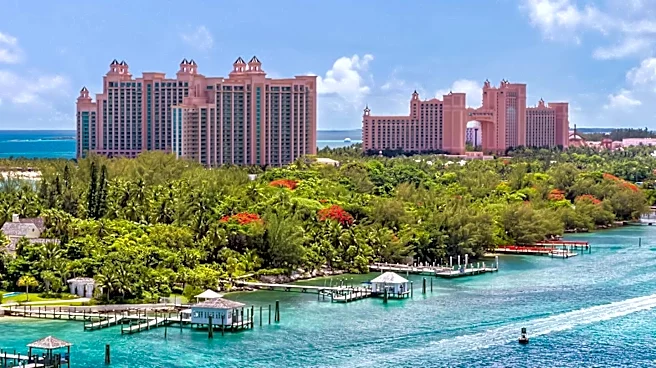
still active and immersive. The company now emphasizes shorter rides, more comfortable accommodations, and the use of locally provided bikes. Their trips are crafted for individuals who wish to explore a destination's culture and natural beauty without extreme physical challenges. This approach includes small group sizes, carefully planned routes, local guides, comfortable stays, and memorable meals, aiming to provide a well-supported and locally grounded travel experience. Destinations like Antigua and Barbuda are highlighted as offering such soft adventure experiences, characterized by scenic beaches and sunsets.
Why It's Important?
This strategic pivot by Pedalers reflects a broader trend in the U.S. travel industry towards more accessible and comfortable adventure tourism. As demographics shift and travelers increasingly seek enriching cultural experiences alongside physical activity, the demand for 'soft adventure' options is growing. This change allows a wider range of individuals, including those who may not identify as extreme athletes but still desire active exploration, to participate in adventure travel. For the U.S. travel market, this signifies an expansion of potential clientele and a diversification of offerings, potentially boosting tourism revenue by catering to a segment previously underserved by traditional, more strenuous adventure trips. Companies that adapt to this demand, like Pedalers, stand to gain a competitive advantage by providing tailored experiences that prioritize comfort, cultural immersion, and manageable physical activity, thereby broadening the appeal of adventure travel.
What's Next?
The continued success of Pedalers' soft adventure model could encourage other U.S. and international travel companies to re-evaluate their own adventure travel portfolios. This might lead to a proliferation of similar 'soft adventure' packages across various destinations, focusing on cultural tours, leisurely outdoor activities, and premium comfort. We can expect to see more emphasis on local guides and authentic experiences as travelers prioritize genuine connection with the places they visit. Furthermore, the demand for specialized gear that supports comfortable, lightweight travel, such as advanced sleeping pads, may also increase. This trend could also influence how destinations market themselves, highlighting their capacity for relaxed yet engaging activities rather than solely extreme sports, potentially attracting a new wave of tourists seeking a balance of exploration and relaxation.
Beyond the Headlines
The shift towards soft adventure travel has deeper implications for the tourism industry, moving beyond mere physical activity to emphasize experiential and sustainable travel. This approach often involves greater engagement with local communities through local guides and businesses, fostering a more authentic and responsible form of tourism. It also reflects a changing cultural value where travel is increasingly seen as a means for personal growth and connection, rather than just a test of endurance. The focus on comfort and accessibility also democratizes adventure travel, making it available to a broader demographic, including older travelers or those with varying physical capabilities. This evolution could lead to a more inclusive and environmentally conscious travel industry, where the emphasis is on appreciating and preserving local cultures and natural environments through gentle exploration.