







What's Happening?
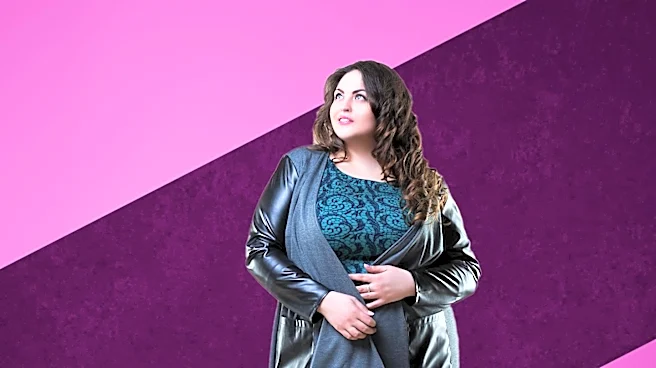
The fashion industry continues to struggle with inclusivity, particularly in providing clothing options for women above a size 18. Despite the growing demand, many brands fail to offer larger sizes, often relegating them to online-only availability. This
exclusion is attributed to several factors, including the cost of proper pattern grading, fear of excess inventory, and outdated beauty standards. The global plus-size clothing market was valued at $311.4 billion in 2023, yet many brands still overlook this significant consumer base. The industry's reluctance to adapt has left many women feeling marginalized and underserved.
Why It's Important?
The lack of inclusivity in fashion not only alienates a large segment of consumers but also represents a missed economic opportunity. With over 68% of American women wearing size 14 and above, the industry's failure to cater to this demographic results in lost revenue and customer dissatisfaction. Addressing this gap could lead to increased sales and brand loyalty, as well as a more diverse and representative fashion landscape. The issue also highlights broader societal challenges regarding body image and inclusivity, emphasizing the need for systemic change within the industry.
What's Next?
For the fashion industry to truly embrace inclusivity, brands must commit to structural changes in how clothing is designed, manufactured, and marketed. This includes investing in proper pattern grading and expanding size ranges both online and in physical stores. As consumer demand for inclusivity grows, brands that fail to adapt risk losing market share to more progressive competitors. Additionally, fashion education must evolve to equip future designers with the skills to create garments for diverse body types, ensuring a more inclusive industry in the long term.