






What's Happening?
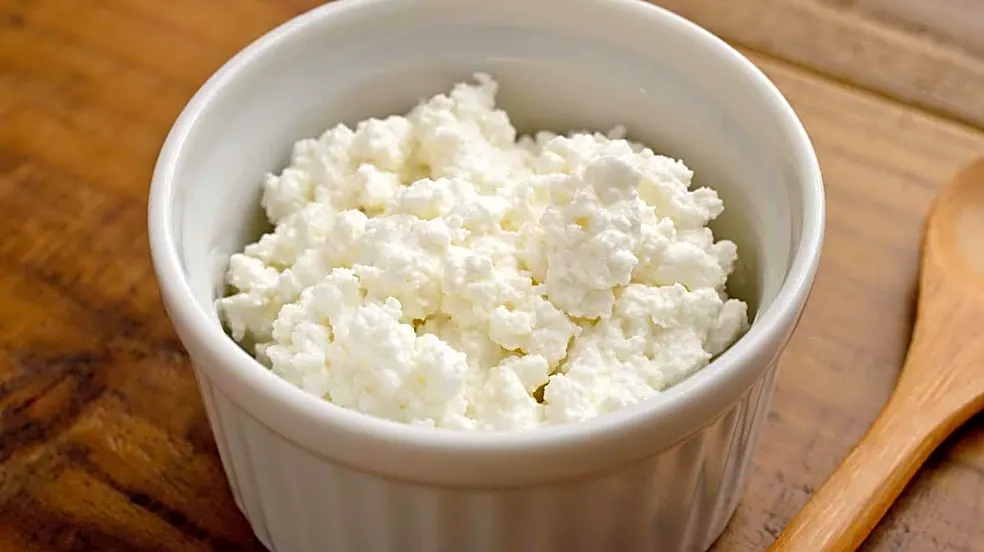
Cottage cheese is experiencing a significant comeback in popularity, driven by social media trends and endorsements from figures like Hailey Bieber. Once a staple during wartime rationing and a diet food in the 1970s and '80s, it is now being integrated
into various meals and promoted for its health benefits, particularly its high protein content. Registered dietitians Charissa Lim and Laura Iu note that while cottage cheese is a good source of protein, casein (which aids fullness), phosphorus, vitamin B12, selenium, and zinc, its calcium content is not as high as other dairy products like hard cheeses or yogurt. The renewed interest highlights its versatility, with consumers blending it with eggs, spreading it on toast, or using it in high-protein pizza dough. Despite its benefits, experts caution against over-maximizing protein intake, reminding that most healthy adults need 0.8 to 1 gram of protein per kilogram of body weight daily. Individuals monitoring sodium intake, such as those with high blood pressure or kidney disease, should be mindful of cottage cheese's sodium levels, which can be around 700 milligrams per cup.
Why It's Important?
The resurgence of cottage cheese reflects a broader trend in the U.S. towards health-conscious eating and the influence of social media on dietary choices. This trend impacts the dairy industry by boosting demand for a product that had seen declining popularity, potentially leading to increased production and innovation in cottage cheese offerings. For consumers, it provides an accessible and versatile option for increasing protein intake, which can be beneficial for satiety and weight management. However, the emphasis on 'protein-maxxing' also highlights a potential pitfall: the overconsumption of a single nutrient, which may not be necessary for all individuals and could lead to overlooking other essential dietary components. The discussion around cottage cheese also brings to light the importance of understanding nutritional facts beyond popular claims, such as comparing its calcium content to other dairy sources. This trend underscores the need for balanced dietary advice amidst viral food fads, ensuring that consumers make informed choices that align with their overall health needs.
What's Next?
The continued popularity of cottage cheese is likely to spur further product development within the dairy industry, potentially leading to new flavors, textures, and low-sodium options to cater to a wider consumer base. Food manufacturers may also explore incorporating cottage cheese into more convenience foods and ready-to-eat meals. Social media platforms will likely continue to be a primary driver for such food trends, with new recipes and endorsements emerging. Dietitians and health professionals will continue to play a crucial role in educating the public on balanced nutrition, emphasizing that while cottage cheese is a healthy food, it should be part of a varied diet rather than a sole focus. Consumers can expect to see ongoing discussions about optimal protein intake and the importance of a holistic approach to diet, moving beyond single 'superfoods' to embrace a wider range of nutrient-dense options.
Beyond the Headlines
The cottage cheese phenomenon illustrates the powerful influence of social media and celebrity endorsements on consumer behavior and dietary trends in the U.S. It highlights how a product can be rebranded and re-contextualized to appeal to new generations, moving from a symbol of wartime austerity or restrictive dieting to a 'health food' embraced by wellness influencers. This shift also raises questions about the sustainability of such trends and whether they genuinely contribute to long-term public health improvements or merely represent fleeting fads. The emphasis on protein, while generally beneficial, also reflects a cultural preoccupation with macronutrient optimization, sometimes at the expense of a broader understanding of nutritional balance and diversity. This trend could also inadvertently contribute to food waste if consumers jump on bandwagons without fully integrating new foods into sustainable eating habits. Ultimately, it underscores the complex interplay between marketing, social influence, and individual health choices in modern American society.