






What's Happening?
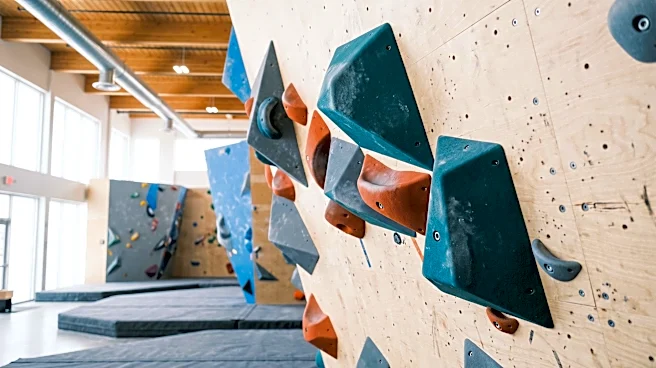
Bouldering, a form of rock climbing performed on short walls without ropes, is gaining recognition for its multifaceted benefits, encompassing physical strength, spatial reasoning, and body awareness. According to Runlovers, this activity significantly
builds strength in the upper posterior chain, forearms, and back muscles, areas often neglected in other forms of exercise. Each bouldering route presents a unique spatial problem, requiring climbers to strategize and decode geometric puzzles before executing movements. This mental engagement, combined with the physical demands, enhances proprioception and body awareness, especially at height. For beginners, the sport is highly accessible, requiring only rental climbing shoes and comfortable clothing. Indoor bouldering gyms, such as Corner Bouldering Gym, offer trial and technique classes to introduce newcomers to basic protocols, including route decoding, weight distribution, and safe descent techniques. The activity emphasizes continuous load on specific muscle groups, leading to balanced strength development and improved focus.
Why It's Important?
The growing popularity of bouldering highlights a shift towards fitness activities that offer both physical and cognitive engagement. Its emphasis on problem-solving and body awareness provides a holistic approach to fitness, distinguishing it from traditional linear repetition workouts. This is particularly important in a society where sedentary lifestyles are prevalent, as bouldering encourages active mental processing alongside physical exertion. The accessibility of bouldering, with minimal equipment requirements and introductory classes, lowers the barrier to entry for individuals seeking new forms of exercise. This can lead to broader participation in physical activity, potentially improving public health outcomes by offering an engaging alternative to conventional gym routines. Furthermore, the development of strength in often-underutilized muscle groups can contribute to better overall physical balance and injury prevention, benefiting a wide range of individuals from athletes to those seeking general fitness improvements.
What's Next?
As bouldering continues to gain traction, it is likely that more indoor climbing gyms will emerge, offering expanded facilities and specialized classes to cater to a growing demographic of enthusiasts. The sport's emphasis on mental engagement and physical challenge suggests it could become a more mainstream fitness option, attracting individuals looking for alternatives to traditional workouts. Gyms may further develop progressive training programs, focusing on advanced techniques and strength building, while also maintaining beginner-friendly options. There could also be an increase in community-based bouldering events and competitions, fostering a sense of camaraderie and encouraging continued participation. As awareness of its benefits spreads, bouldering might also be integrated into broader wellness programs, recognized for its ability to improve both physical and cognitive health.
Beyond the Headlines
Beyond its immediate physical benefits, bouldering offers profound psychological advantages, fostering heightened focus and presence. The intense concentration required to navigate a route effectively minimizes external distractions, creating a meditative state where time perception can alter. This forced engagement with the present moment can serve as a powerful antidote to the constant digital stimulation and multitasking prevalent in modern life, offering a unique form of mental respite. Ethically, the sport promotes a deep connection between mind and body, encouraging individuals to understand and respect their physical limits while pushing boundaries. Culturally, bouldering gyms often cultivate strong, supportive communities, providing social interaction and a shared sense of accomplishment, which can combat feelings of isolation. This blend of physical challenge, mental clarity, and community building positions bouldering as more than just a sport; it's a lifestyle that nurtures holistic well-being.