





What's Happening?
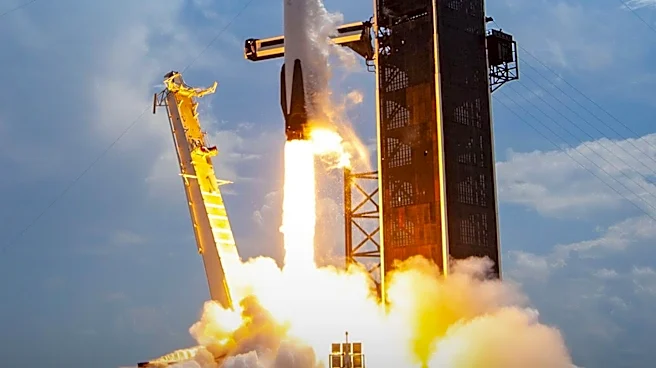
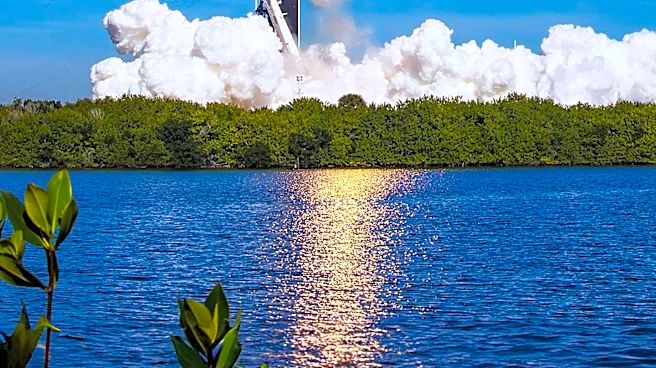
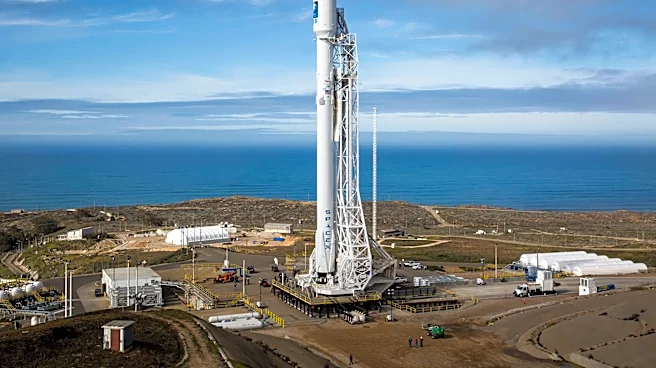
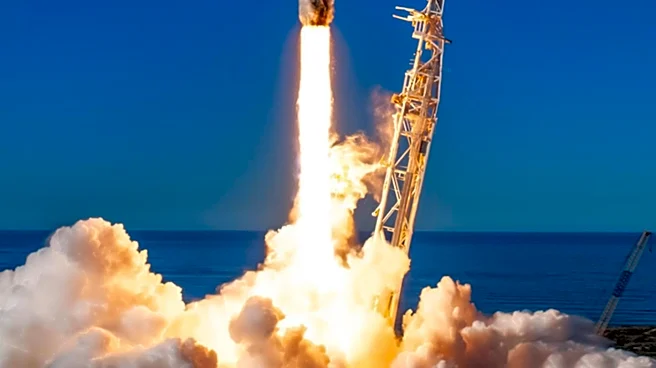
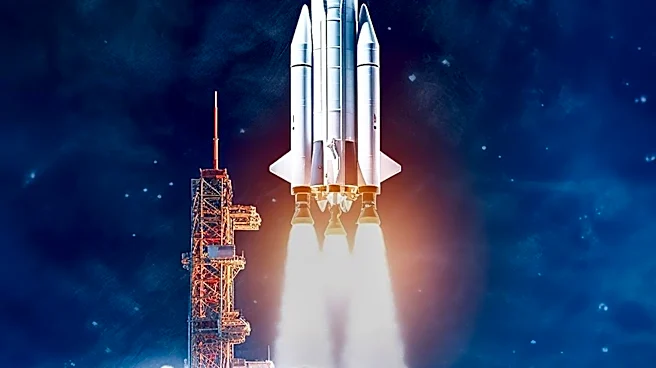
SpaceX has successfully launched its Falcon 9 rocket for a record-breaking 36th time, marking a significant milestone in rocket reuse. The launch took place from Space Launch Complex 40 at Cape Canaveral Space Force Station at 5:25 a.m. EDT. This mission,
known as Starlink 10-42, added 29 new broadband internet satellites to SpaceX's growing low Earth orbit constellation, which now exceeds 10,700 satellites. The Falcon 9 booster, designated B1067, has been in service since June 2021 and has supported various missions, including NASA's Commercial Resupply Services and crewed missions. The booster successfully landed on the drone ship 'A Shortfall of Gravitas' in the Atlantic Ocean, marking the 160th landing for this vessel and the 635th booster landing for SpaceX overall.
Why It's Important?
This achievement underscores SpaceX's leadership in reusable rocket technology, which significantly reduces the cost of space travel and satellite deployment. By reusing rockets, SpaceX can offer more frequent and affordable launches, accelerating the deployment of its Starlink satellite network. This network aims to provide global broadband internet coverage, particularly benefiting remote and underserved areas. The success of this mission also highlights SpaceX's operational efficiency and reliability, reinforcing its position as a key player in the commercial space industry. The continued expansion of the Starlink constellation could have profound implications for global internet access, potentially bridging the digital divide and fostering economic growth in regions with limited connectivity.
What's Next?
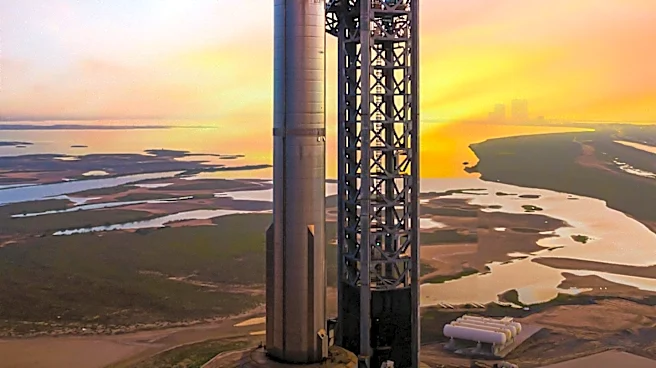
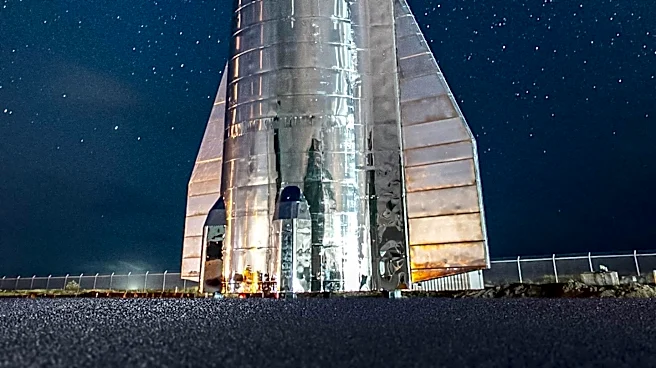
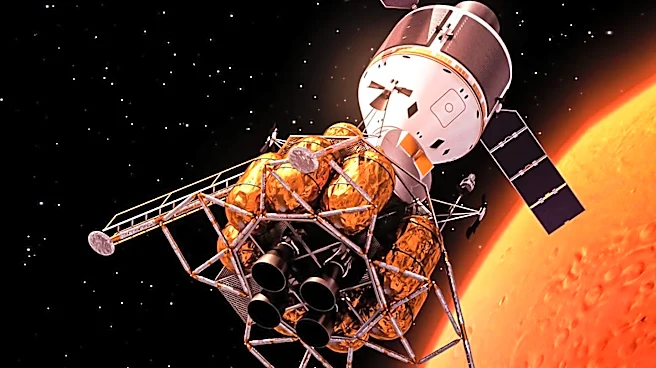
SpaceX plans to continue its aggressive launch schedule, further expanding the Starlink network and supporting various commercial and governmental missions. The company is also focused on developing its Starship vehicle for future deep space missions, including lunar and Mars exploration. As SpaceX continues to refine its reusable rocket technology, it is likely to attract more clients seeking cost-effective access to space. The success of the Starlink project could also prompt regulatory discussions regarding satellite traffic management and space debris mitigation, as the number of satellites in orbit continues to grow.