
What's Happening?
Early 2000s hairstyles, characterized by playful and expressive choices, are making a significant comeback in contemporary fashion and beauty. This revival is evident on runways, among celebrities, and in street-style
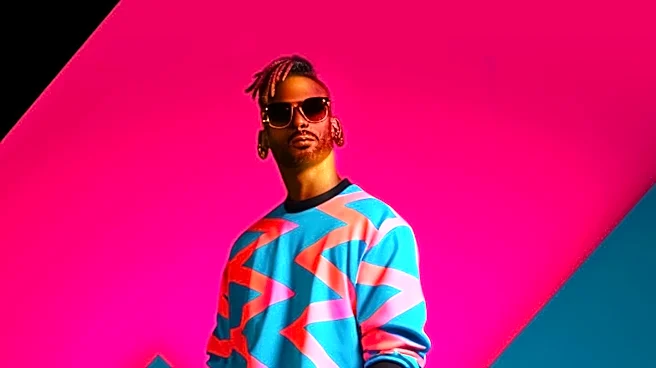
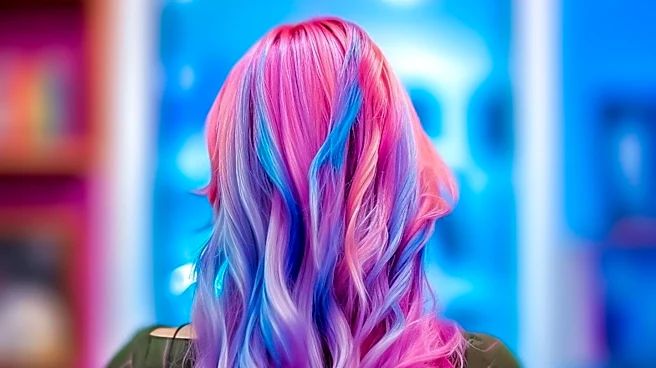
looks, with a focus on adapting these nostalgic trends for a modern aesthetic rather than exact replication. Key styles experiencing a resurgence include antenna braids, spiky buns, chunky highlights, beaded braids, pinned parts, two-toned hair, bleached bangs, spiky bob haircuts, blonde with brunette underneath, pastel hair colors, high half ponytails, bubble braids, face-framing layers, and crimped hair. The current approach emphasizes flexibility, allowing individuals to incorporate elements like tiny braids with loose waves or softened chunky highlights, making the nostalgia recognizable yet personalized. This trend reflects a shift towards more expressive and experimental beauty choices after a period of minimalist styles.
Why It's Important?
The resurgence of Y2K hairstyles signifies a broader cultural movement towards embracing individuality and playful self-expression in beauty and fashion. This trend impacts the beauty industry by driving demand for specific styling products, hair accessories, and coloring services that cater to these retro-inspired looks. Hair salons and stylists are adapting their offerings to include techniques for creating spiky buns, chunky highlights, and two-toned hair, often with a modern twist to ensure wearability. For consumers, it offers an opportunity to experiment with bold and distinctive styles, moving away from more subdued aesthetics. The emphasis on adaptability means that individuals can integrate these trends into their personal style without fully committing to a complete 2000s look, fostering creativity and personal interpretation in beauty choices. This also highlights the cyclical nature of fashion, where past trends are reinterpreted for new generations.
What's Next?
The Y2K hair trend is expected to continue evolving, with further integration of modern techniques and personalized adaptations. Professional color advice will become increasingly important for trends like bleached bangs and two-toned hair, given the potential for hair damage. Temporary color products and extensions are likely to see increased popularity as consumers seek to experiment with these bold looks without long-term commitment. Stylists will likely focus on creating softer, more dimensional versions of classic Y2K styles, such as using muted pastel shades or cleaner color placements for two-toned hair. The trend's adaptability suggests that individuals will continue to pick and choose elements that suit their personal style, leading to a diverse range of Y2K-inspired looks rather than a uniform adoption. Social media platforms will continue to play a crucial role in popularizing and disseminating these evolving styles, with influencers showcasing new interpretations and styling tips.
Beyond the Headlines
Beyond the immediate aesthetic appeal, the Y2K hair revival touches upon deeper themes of cultural nostalgia and the reinterpretation of historical trends. The emphasis on individuality and playful experimentation reflects a desire for self-expression in an increasingly digital and often homogenized world. The trend also subtly acknowledges the cultural histories behind certain styles, such as beaded braids, which have deep roots in African and Afro-Caribbean communities. This re-engagement with past styles, particularly those from a period of significant cultural shift, can be seen as a way for younger generations to connect with and redefine cultural touchstones. The flexibility of the modern Y2K approach suggests a more conscious and curated engagement with fashion history, where elements are borrowed and transformed rather than simply copied, fostering a dynamic interplay between past and present in personal style.