
What's Happening?
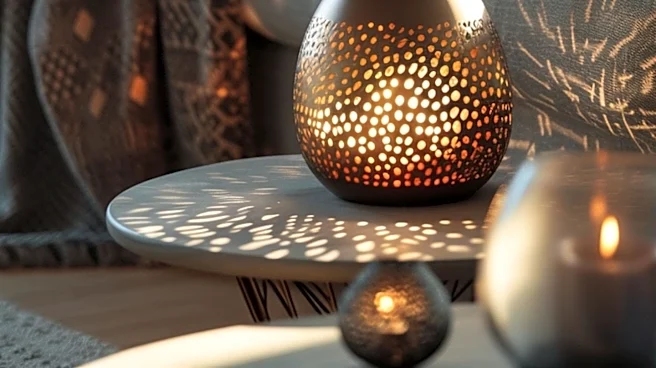
Current trends in DIY home projects are focusing on creating cozy and authentic interiors through the use of natural materials. Homeowners are incorporating elements such as handcrafted tile, artisanal
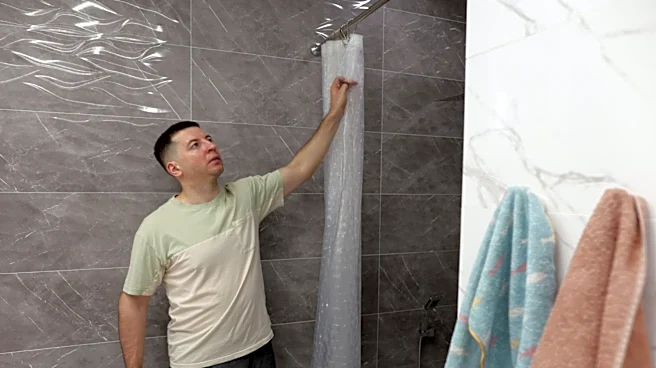
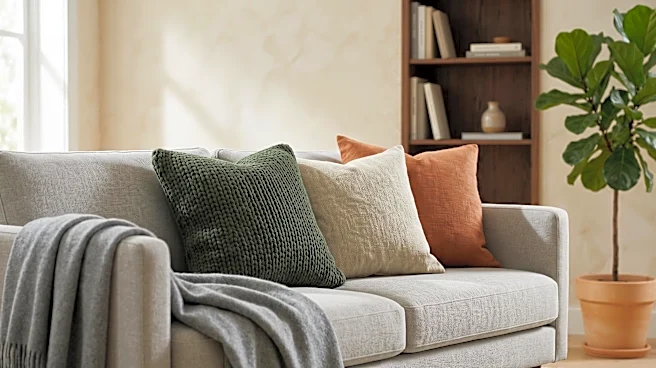
plaster, natural stone, and aged metals. There's also a renewed appreciation for original architectural features within homes. Beyond aesthetics, practical innovations are gaining popularity, including waterproof and rechargeable shower lamps that can double as portable chargers, and fast-acting cleaner pods for Keurig coffee makers. For seasonal decor, particularly for fall, the emphasis is on natural fibers like linens, wools, and organic cotton for throws and pillows. Dried plants, grapevine wreaths, and real pumpkins are favored over artificial alternatives to achieve an organic and inviting atmosphere. These trends reflect a desire for both aesthetic appeal and functional convenience in home improvement.
Why It's Important?
This shift towards natural materials and practical DIY solutions has several important implications for U.S. industries and consumers. For the home improvement and decor sectors, it signals a demand for sustainable and authentic products, potentially boosting manufacturers and retailers specializing in natural stone, handcrafted tiles, and organic textiles. The popularity of innovative gadgets like rechargeable shower lamps and Keurig cleaner pods highlights a consumer preference for convenience and efficiency, driving innovation in household product development. Environmentally, the move away from artificial decor towards natural elements could reduce waste and promote more sustainable consumption patterns. Economically, investing in timeless, natural fiber pieces for home decor is presented as a long-term investment, potentially reducing frequent seasonal purchases and encouraging higher-quality craftsmanship. This trend also empowers consumers to personalize their living spaces with unique, character-filled elements, moving away from mass-produced uniformity.
What's Next?
Looking ahead, the emphasis on natural materials and sustainable practices in DIY home projects is likely to continue influencing product development and consumer choices. Manufacturers may further expand their offerings of eco-friendly and handcrafted home goods. Retailers could see increased demand for workshops and resources that teach consumers how to incorporate these natural elements into their homes, such as plastering techniques or tile installation. The market for smart home devices and convenient cleaning solutions is also expected to grow, with more innovations aimed at simplifying daily routines. Interior designers may increasingly integrate these natural and authentic elements into their professional projects, further solidifying their place in mainstream design. Additionally, as consumers become more environmentally conscious, the preference for real, natural decor over artificial alternatives for seasonal celebrations is anticipated to strengthen, potentially impacting the production and marketing of holiday decorations.
Beyond the Headlines
The current DIY home project trends reflect a deeper cultural shift towards authenticity, sustainability, and personal well-being within the home environment. The preference for natural materials and original architectural elements suggests a desire to connect with nature and history, creating spaces that feel grounded and unique rather than sterile or mass-produced. This movement can be seen as a counter-response to the fast-paced, digital world, where people seek solace and comfort in their physical surroundings. Ethically, the focus on natural fibers and real plants over artificial ones aligns with growing environmental consciousness and a desire to reduce plastic waste. Culturally, it fosters a sense of craftsmanship and appreciation for the handmade, potentially reviving traditional skills and local artisan economies. This trend also highlights the evolving role of the home as a sanctuary and a reflection of personal values, moving beyond mere functionality to encompass emotional and aesthetic fulfillment.