






What's Happening?
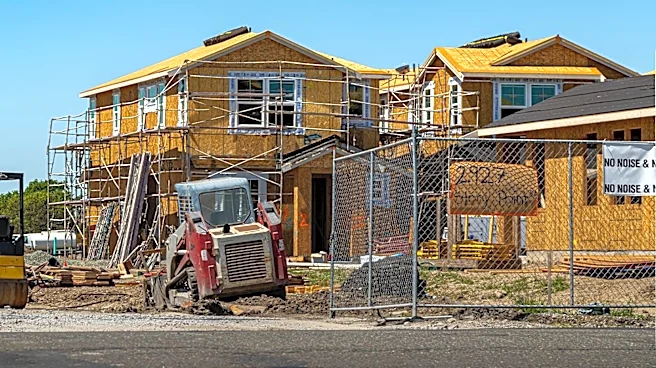
Sandia Area Federal Credit Union has commenced construction on two new full-service branches in Albuquerque and Rio Rancho, New Mexico, with an anticipated opening in late 2027. This expansion will increase Sandia Area's total branch count to nine. The
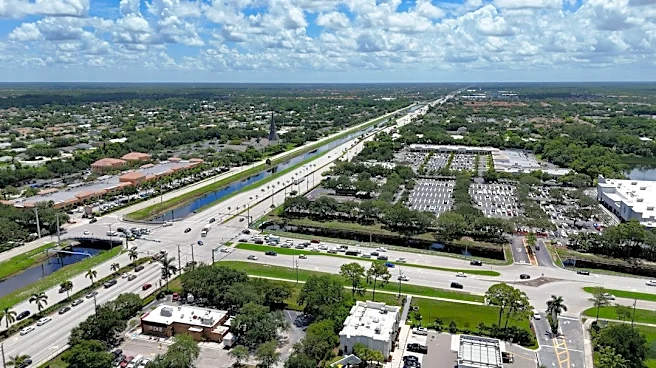
Albuquerque location will be situated at 1105 Snow Vista SW, while the Rio Rancho branch will be at 4551 Safelite NE, near U.S. 550. Both new facilities will feature drive-thrus and four to five offices. The Rio Rancho branch will also include a 12-person conference room available for local events. According to Sandia Area CEO and President Kevin Todd, these new sites were selected due to their growing populations and their positions along heavy commuter corridors. The credit union, which serves nine counties in New Mexico and manages over $1.4 billion in assets, has experienced approximately 7% annual growth in its customer base, currently serving around 69,000 members. This physical expansion complements the credit union's significant online growth, aiming to foster face-to-face connections with its members.
Why It's Important?
The expansion by Sandia Area Federal Credit Union signifies a strategic move to enhance its physical presence and accessibility in key growth areas within New Mexico. This investment reflects a broader trend among financial institutions to balance digital service offerings with traditional brick-and-mortar locations, recognizing the value of in-person interactions for customer engagement and trust-building. For residents and businesses in Albuquerque and Rio Rancho, the new branches will provide increased access to financial services, potentially fostering local economic activity and convenience. The inclusion of a community conference room in the Rio Rancho branch also indicates a commitment to local engagement, offering a valuable resource for community events and meetings. As the fourth-largest credit union in New Mexico, Sandia Area's growth underscores the competitive landscape of the state's financial sector and its responsiveness to demographic shifts and member needs. This expansion could also stimulate local job creation in the construction and financial services sectors.
What's Next?
Following the commencement of construction, the new Sandia Area Federal Credit Union branches in Albuquerque and Rio Rancho are slated for completion and opening in late 2027. In the interim, Sandia Area plans to continue modernizing its existing facilities, with three sites already renovated to feature a more open design. CEO Kevin Todd has also indicated that the credit union is actively seeking an additional site in the Albuquerque area to establish its tenth branch, signaling further expansion plans beyond the current projects. This ongoing development suggests a sustained focus on increasing physical accessibility and modernizing service environments for its growing member base. The credit union will likely continue to monitor population growth and commuter patterns to identify future expansion opportunities, reinforcing its commitment to serving the evolving needs of communities across New Mexico.
Beyond the Headlines
This expansion by Sandia Area Federal Credit Union highlights a nuanced strategy in the evolving financial services industry, where digital transformation coexists with the enduring value of physical presence. While many financial transactions have shifted online, credit unions like Sandia Area recognize that physical branches still play a crucial role in building community trust, offering personalized advice, and serving populations that may prefer or require in-person services. The emphasis on modern, open branch designs, moving away from traditional teller lines, reflects a broader industry effort to create more welcoming and consultative environments. This approach aims to transform branches from transactional hubs into relationship-building centers. Furthermore, the strategic placement of branches in growing population centers and commuter corridors indicates a data-driven approach to expansion, aligning with urban development and demographic shifts. This dual focus on digital convenience and physical community engagement could serve as a model for other regional financial institutions navigating the future of banking.