








What's Happening?
Perfecta Premium Plant-Based Meat, a subsidiary of the Israeli tech-food company Steakholder Foods Ltd. (STKH), has introduced its line of 3D-printed plant-based meat products to supermarkets across the Northeastern United States. This rollout is in partnership
with KeHE Distributors, a major distributor of natural and specialty foods across the U.S. The initial product offerings include imitation poultry, beef, and seafood, such as marbled steak, filet mignon, chicken breast, white fish patties, and salmon patties. All products are plant-based, sold frozen, and utilize proprietary technology developed in Ness Ziona, Israel. Arik Kaufman, Chief Executive Officer of Steakholder Foods, stated that this launch marks an exciting step for Perfecta to reach consumers through retail shelves for the first time, aiming to meet consumer demand for plant-based options that deliver on taste and eating experience. The products are currently available in select specialty markets across New York, New Jersey, Maryland, Delaware, Pennsylvania, Massachusetts, Maine, New Hampshire, Vermont, and Virginia, with each package priced around $10.
Why It's Important?
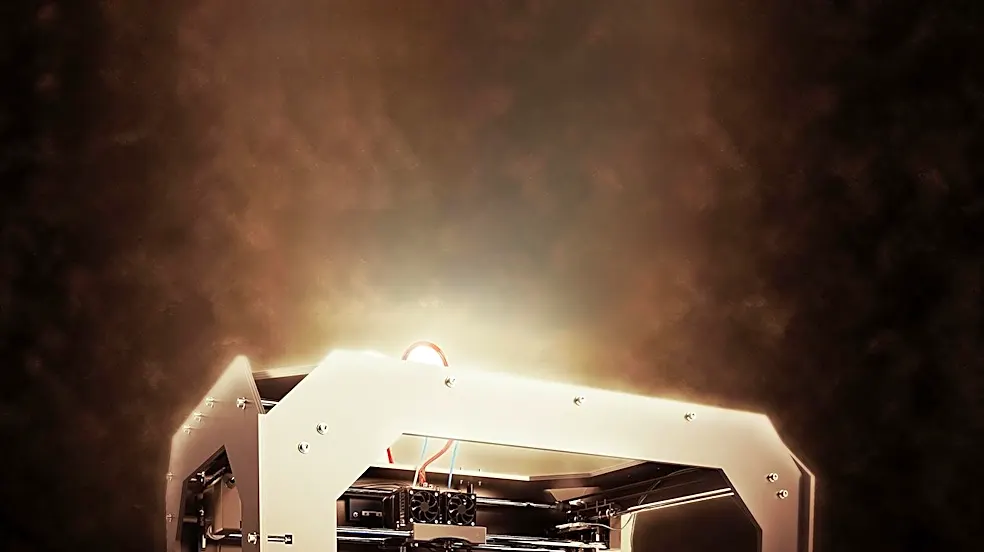
This launch signifies a notable advancement in the plant-based food sector within the U.S. market, introducing 3D-printed technology directly to consumers. While plant-based alternatives are not new, the use of 3D printing for creating complex textures like marbled steak represents a technological leap that could enhance the appeal and realism of meat alternatives. This could attract a broader consumer base, including those who have been hesitant to adopt plant-based diets due to texture or taste concerns. The partnership with KeHE Distributors provides a significant distribution channel, indicating a strategic move to integrate these innovative products into mainstream retail. The expansion of such products offers consumers more diverse choices and contributes to the growing trend of sustainable food options. It also highlights the increasing global influence on the U.S. food market, with an Israeli company bringing advanced food technology to American shelves, potentially spurring further innovation and competition in the plant-based industry.
What's Next?
Perfecta Premium Plant-Based Meat plans to expand both its retail footprint and distribution network as consumer demand for its 3D-printed products grows. The current rollout in the Northeast is considered just the beginning of its commercial journey in the U.S. The company's future plans may include introducing more varieties of plant-based meats or exploring the integration of cultivated cells into its 3D-printed products, as Steakholder Foods has indicated internationally. The success of this initial launch will likely influence the speed and scale of its expansion into other U.S. regions. Competitors in the plant-based and food technology sectors will be closely watching consumer reception and sales figures, which could lead to increased investment and development in 3D-printed food technologies across the industry. Furthermore, as these products become more widely available, there may be increased public discourse and regulatory considerations regarding novel food production methods.
Beyond the Headlines
The introduction of 3D-printed plant-based meat products raises several deeper implications beyond immediate market trends. Technologically, it pushes the boundaries of food manufacturing, demonstrating how precision engineering can replicate complex biological structures like muscle fibers and fat marbling using plant-based ingredients. This could pave the way for highly customized food products tailored to specific nutritional needs or dietary preferences. Ethically, it contributes to the ongoing debate about the future of food production, offering an alternative that addresses concerns about animal welfare and environmental impact associated with traditional meat production. Culturally, the acceptance of 3D-printed foods by consumers will be a key indicator of how open society is to technologically advanced food sources, potentially shifting perceptions of what constitutes 'natural' or 'real' food. The long-term success of such innovations could fundamentally alter supply chains, reduce reliance on conventional agriculture, and reshape dietary habits globally.