

What's Happening?
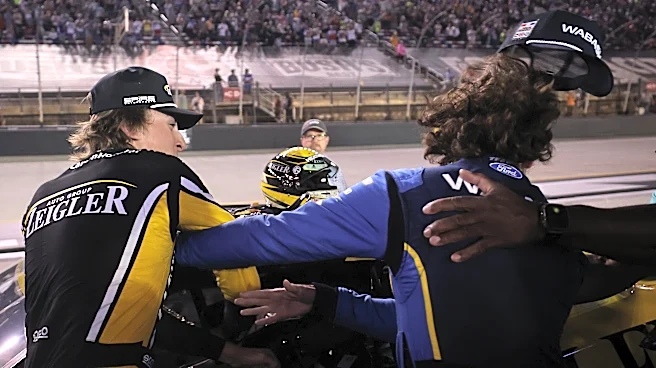
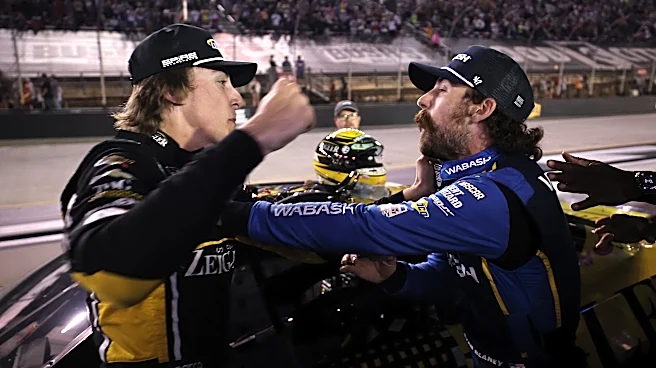
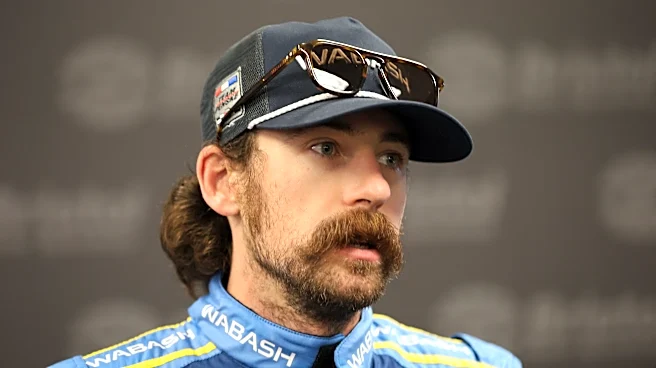
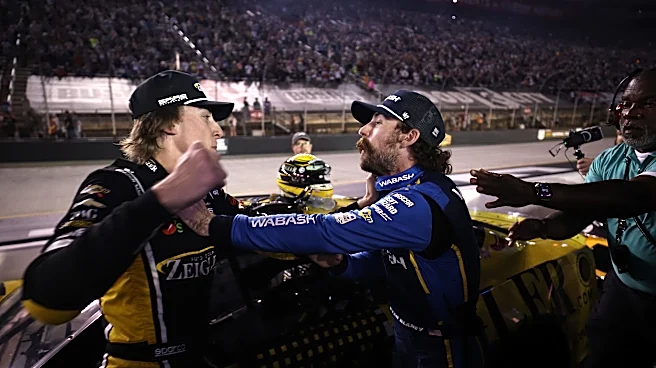
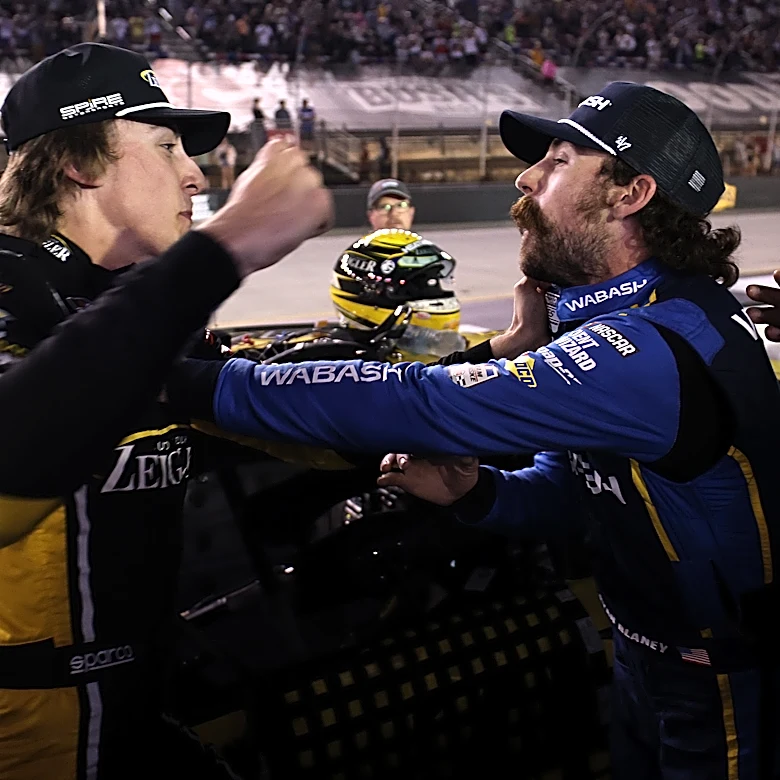
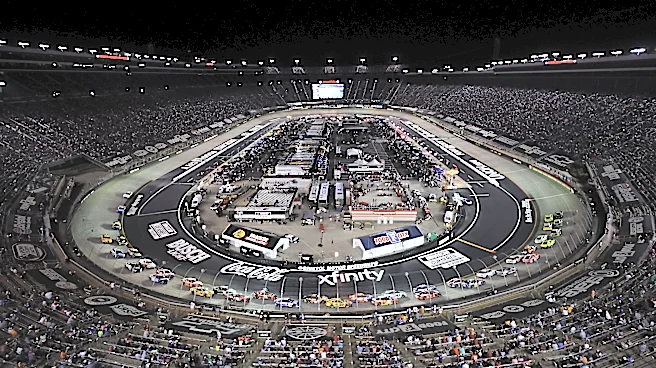
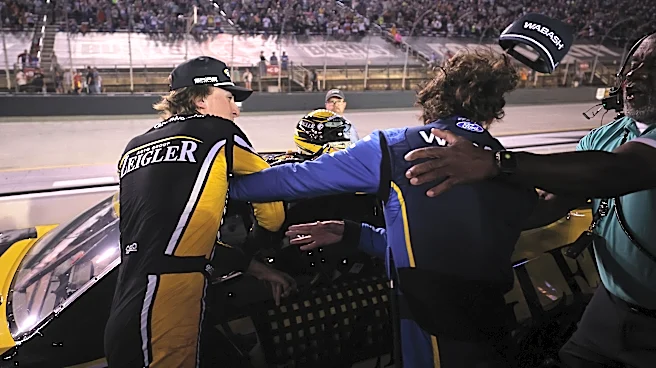
NASCAR has decided not to penalize drivers Ryan Blaney and Carson Hocevar following their post-race confrontation at Bristol Motor Speedway. The altercation occurred after an on-track incident during the NASCAR Cup Series Bass Pro Shops Night Race. Blaney,
driver of the #12 WABASH Ford, and Hocevar, driver of the #77 Zeigler Auto Group Chevrolet, were involved in contact that spun Blaney from contention. Blaney later approached Hocevar, leading to a physical exchange. According to Blaney, he intended to voice his displeasure but the situation escalated. NASCAR executive Steve O’Donnell stated that the sanctioning body viewed the situation as drivers handling a dispute themselves, emphasizing the passion displayed by both competitors. O'Donnell clarified that while fighting is not encouraged, the display of passion is. Blaney acknowledged that he regretted his actions and the example it set for younger fans, attributing his emotional reaction to lingering frustration from recent weeks, including mechanical failures and DNFs despite having competitive speed.
Why It's Important?
This decision by NASCAR to not issue penalties for a physical post-race altercation highlights a nuanced approach to driver conduct, prioritizing the display of passion and self-resolution over strict disciplinary action in certain contexts. This stance could influence future driver interactions, potentially encouraging more direct, albeit sometimes physical, confrontations as a means of resolving on-track disputes without fear of immediate sanctions. For fans, it reinforces the perception of NASCAR as a sport where raw emotion and competitive fire are valued, potentially boosting engagement and viewership through dramatic moments. However, it also raises questions about the line between acceptable passion and unsportsmanlike conduct, and how this policy might impact the safety and professional image of the sport in the long term. The emphasis on drivers 'handling their own business' could be seen as a double-edged sword, fostering authenticity but also risking more volatile situations.
What's Next?
While no immediate penalties were issued, NASCAR executive Steve O’Donnell indicated that the sanctioning body would 'obviously watch what happens the rest of the way,' suggesting that future incidents involving Blaney and Hocevar, or similar altercations, could be subject to different scrutiny. This implies a probationary period for the drivers involved and a continued monitoring of their conduct. The decision also sets a precedent for how NASCAR might handle similar post-race confrontations in the future, potentially leading to more instances of drivers directly addressing their grievances without fear of immediate repercussions. It remains to be seen if this approach will lead to an increase in such incidents or if drivers will self-regulate to avoid escalating situations beyond a certain point. Blaney has stated he has not spoken with Hocevar since the confrontation and does not expect to, indicating that the personal animosity may persist.
Beyond the Headlines
The decision by NASCAR to allow drivers to 'handle their own business' without penalty delves into the broader cultural aspects of professional sports, particularly those with a history of intense rivalries and physical contact. This approach taps into a traditionalist view of sportsmanship, where direct confrontation, even physical, is sometimes seen as an authentic expression of competitive spirit rather than a breach of conduct. It raises ethical questions about the role of governing bodies in policing emotional outbursts versus fostering an environment where athletes can express their frustrations. The potential long-term shift could be a redefinition of 'acceptable' behavior in high-stakes racing, where the spectacle of driver-on-driver interaction becomes as much a part of the entertainment as the race itself. This could also influence how younger generations of drivers perceive and manage conflict, potentially normalizing direct, physical confrontations as a part of the sport's culture.