





What's Happening?
Interior designers are advising against several millennial decor trends that are now considered 'tacky' or outdated. Abby Pendergrast, an interior designer, notes that while millennials initially embraced minimalism, open-concept floor plans, and farmhouse
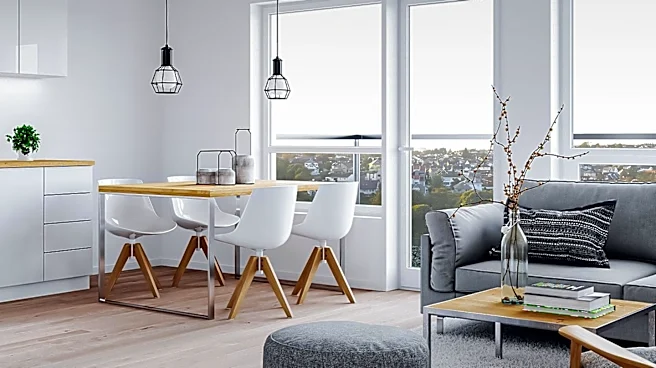
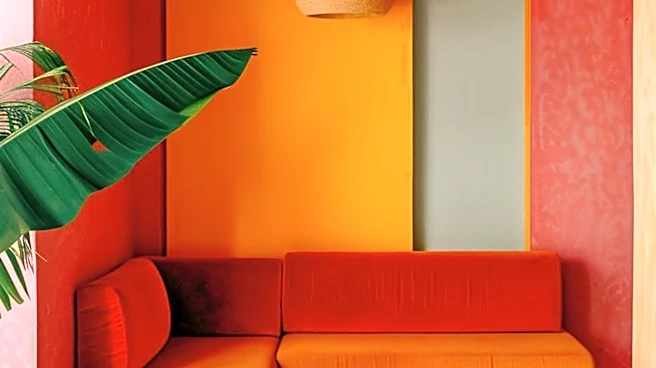
decor as a reaction to their parents' maximalist styles, many of these trends, heavily influenced by social media in the 2010s, have become overdone. Specific trends identified for retirement include an overload of millennial pink, pampas grass and faux-boho decor, faux-midcentury furniture sets, all-brass hardware, and wordy wall art. Pendergrast suggests replacing millennial pink with moodier tones like warm clay or muted jewel tones, and swapping pampas grass for healthy live plants or sculptural succulents. Instead of matching faux-midcentury sets, designers recommend curated, eclectic mixes of vintage, modern, and custom pieces. For hardware, polished chrome is suggested over an overuse of brass, and unique original artworks or thoughtfully framed vintage posters are preferred over motivational letterboards.
Why It's Important?
This shift in interior design trends reflects a broader evolution in consumer preferences and the impact of social media on aesthetic cycles. For the U.S. home decor and furniture industries, this signals a need to adapt product offerings and marketing strategies. Retailers and manufacturers focusing heavily on these now-outdated styles may experience decreased demand, while those embracing newer recommendations—such as sustainable, personalized, and eclectic designs—could see growth. The emphasis on 'comfort, personalization, and sustainability' by millennials as they create adult living spaces indicates a market demand for more thoughtful, long-lasting, and environmentally conscious products. This also highlights the accelerated nature of trend cycles due to social media, where once-innovative looks quickly become ubiquitous and then passé, influencing purchasing decisions and inventory management for businesses in the sector.
What's Next?
Consumers are expected to increasingly seek out decor that reflects personalization, sustainability, and a more sophisticated palette. This will likely lead to a greater demand for unique, artisanal, and vintage-inspired pieces, moving away from mass-produced, trend-driven items. Interior designers and home decor influencers will continue to guide these shifts, promoting new aesthetics and encouraging consumers to invest in timeless pieces rather than fleeting trends. Retailers may respond by diversifying their inventory to include more diverse material options, color palettes, and furniture styles that allow for greater customization and individuality. The market for live plants and unique art pieces is also likely to expand as consumers look to replace outdated decor elements with more vibrant and personal touches. This ongoing evolution will require businesses to remain agile and responsive to changing tastes to stay relevant.
Beyond the Headlines
The rapid obsolescence of decor trends like 'millennial pink' and 'faux-boho' underscores a cultural tension between fast-fashion-like consumption in home goods and a growing desire for sustainability and authenticity. The move towards 'comfort, personalization, and sustainability' suggests a deeper societal shift where consumers are increasingly valuing items with personal meaning and environmental responsibility over transient aesthetics. This could lead to a more conscious consumer base that prioritizes quality, ethical sourcing, and longevity in their purchases, potentially challenging the business models of companies that rely on rapid trend cycles and disposable decor. Furthermore, the influence of social media in accelerating these cycles raises questions about the long-term impact on consumer behavior and the environmental footprint of constantly updating home interiors.