





What's Happening?
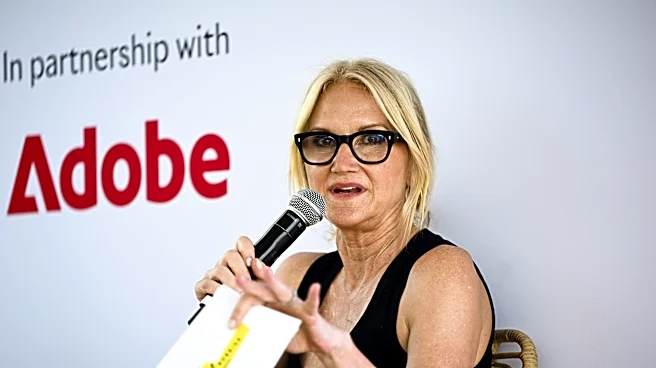
Gyles Brandreth, a veteran broadcaster and author, in collaboration with physiotherapist Finola Burrell, has outlined seven key secrets for living a long and healthy life, aiming for centenarian status. These insights are detailed in his new book, 'The
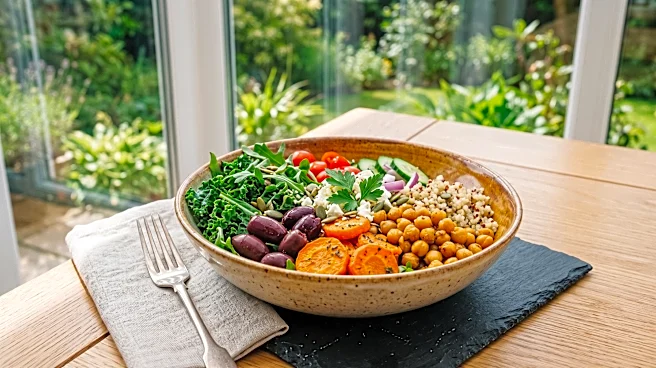
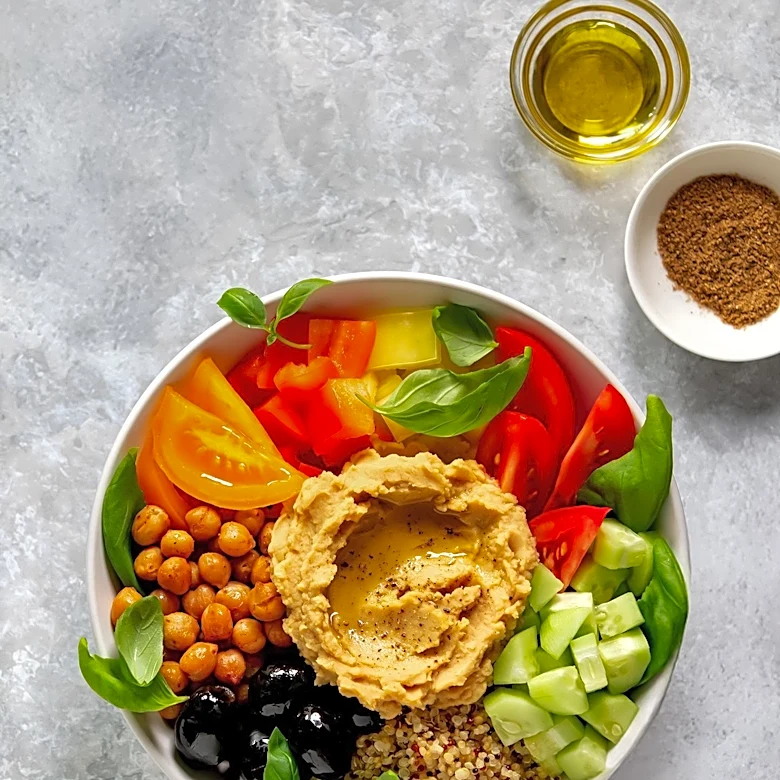
7 Secrets of the Hundred-Year Life.' The recommendations emphasize simple, consistent actions rather than extreme measures. Key advice includes maintaining a positive outlook, cultivating passions, and staying busy, as happy individuals reportedly live longer. Dietary recommendations focus on colorful, plant-based foods, similar to those found in 'Blue Zones' like Okinawa and Sardinia, alongside adequate hydration. The importance of proper breathing techniques, sufficient sleep, and strong social connections is also highlighted. Furthermore, daily regular exercise, even in short 'exercise snacks,' is encouraged to reduce mortality risk. The overarching theme is simplicity and consistency in adopting these habits.
Why It's Important?
These longevity principles offer a practical framework for individuals seeking to improve their healthspan and overall quality of life in the U.S. The emphasis on accessible, consistent habits makes these recommendations broadly applicable, potentially reducing the burden of age-related diseases and promoting a more active senior population. By focusing on mental well-being, nutrition, physical activity, and social engagement, the advice addresses multiple determinants of health that are often overlooked in a fast-paced society. The concept of 'exercise snacks' could particularly resonate with busy Americans who struggle to commit to traditional workout routines, making physical activity more attainable. Adopting these lifestyle changes could lead to a healthier populace, potentially decreasing healthcare costs and increasing productivity and engagement among older adults.
What's Next?
Individuals may begin to integrate these 'seven secrets' into their daily routines, focusing on incremental changes for sustainable results. The book's release could spark broader discussions on public health initiatives, encouraging simpler, more holistic approaches to well-being. Healthcare providers and wellness programs might incorporate these accessible strategies into their patient education and community outreach efforts. There could also be a growing interest in further research into the long-term impacts of these specific lifestyle factors on longevity within diverse U.S. populations. As awareness grows, more people may prioritize mental health, social connections, and consistent, moderate physical activity as fundamental components of a long and healthy life.
Beyond the Headlines
The emphasis on simplicity and consistency challenges the prevailing narrative that longevity requires complex, expensive, or extreme interventions. This approach democratizes health, suggesting that significant improvements can be achieved through everyday choices accessible to most people. It also highlights the interconnectedness of mental, physical, and social health, moving beyond a purely biomedical model of aging. The idea that happiness and purpose contribute significantly to lifespan underscores the psychological dimensions of longevity, suggesting that societal structures supporting well-being and community engagement are as crucial as individual health behaviors. This perspective could foster a cultural shift towards valuing holistic well-being over quick fixes, promoting a more balanced and sustainable approach to health across generations.