






What's Happening?
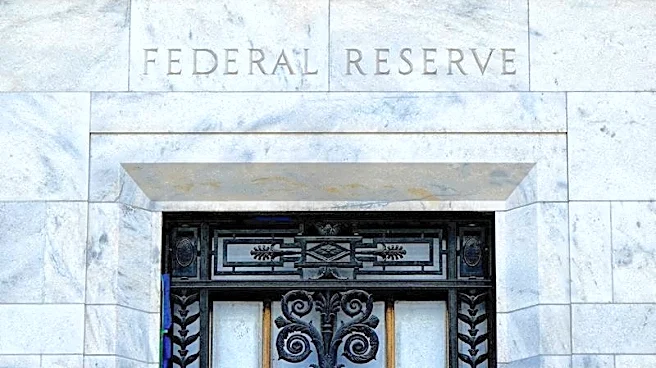
Mortgage rates have increased slightly, even though the Federal Reserve decided not to raise its benchmark interest rate. This development is linked to the dynamics of bond markets, where longer-term bonds, which influence mortgage rates, have seen increased yields.
The rise in oil prices, influenced by geopolitical tensions, has also contributed to this trend. As a result, the average 30-year fixed mortgage rate has experienced a moderate increase, reflecting the complex interplay between short-term and long-term interest rates.
Why It's Important?
The rise in mortgage rates, despite the Fed's steady interest rates, highlights the intricate relationship between different financial instruments and market expectations. This situation underscores the importance for borrowers to understand the factors influencing mortgage rates beyond the Fed's decisions. The increase in rates can affect housing affordability and consumer spending, potentially impacting the broader economy. For financial markets, this development signals the need to closely monitor geopolitical events and their effects on economic indicators.
What's Next?
As geopolitical tensions continue to influence oil prices and bond markets, mortgage rates may remain volatile. Borrowers might need to consider alternative mortgage options, such as adjustable-rate mortgages, to manage costs. Financial institutions and policymakers will likely keep a close watch on these developments, adjusting strategies to mitigate risks. The Fed's future meetings and economic data releases will be critical in shaping expectations and guiding market responses.