






What's Happening?
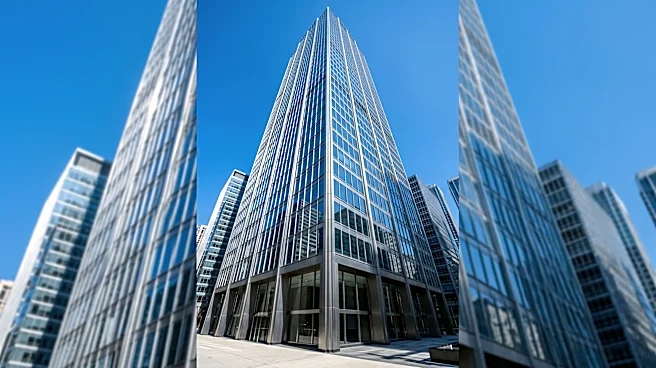
The 1 South Dearborn Street skyscraper in downtown Chicago is being put up for sale following the announced departure of its anchor tenant, law firm Sidley Austin. Sidley Austin, which has occupied 544,000 square feet of the 827,000-square-foot office
tower since its completion in 2005, plans to relocate to a new building in the Fulton Market district. This move, with Sidley Austin's lease expiring in winter 2030, is expected to reduce the building's occupancy rate by more than half. JLL brokers have been hired to manage the sale, with ING Capital reportedly directing the offering. The building was last purchased in 2018 for $360 million by a joint venture of Starwood Capital Group and Vanderbilt Office Properties, which secured a $235 million loan from ING Capital for the acquisition. The current offering reflects the ongoing challenges in Chicago's downtown office market.
Why It's Important?
The sale of 1 South Dearborn Street underscores the significant impact of changing work patterns and economic conditions on the U.S. commercial real estate market, particularly in major urban centers like Chicago. The departure of a long-standing anchor tenant like Sidley Austin highlights a broader trend of companies seeking newer, often more modern, office spaces, contributing to what is termed a 'flight to quality.' This trend leaves older, though still prominent, buildings vulnerable to decreased occupancy and valuation. The situation also reflects the financial strain on property owners, as the building is reportedly worth less than its outstanding debt, indicating potential losses for investors and lenders. The shift in tenant preferences and the broader economic environment, including elevated interest rates, are reshaping the landscape of urban office properties, affecting property values, investment strategies, and the financial health of real estate ventures.
What's Next?
The immediate next step involves the sale process of the 1 South Dearborn Street skyscraper, managed by JLL and ING Capital. The outcome of this sale will likely set a precedent for similar properties in Chicago's downtown area facing tenant departures or high vacancy rates. Developer Related Midwest is actively seeking other tenants for its Fulton Market project, where Sidley Austin intends to relocate, and is working to secure construction financing. The success of these efforts will influence the development of new office spaces and the revitalization of different urban districts. The broader Chicago office market will continue to grapple with the effects of hybrid work models and interest rates, potentially leading to more property sales, redevelopments, or repurposing of older office buildings in the coming years. Stakeholders will be closely watching how these market dynamics evolve and impact urban planning and economic development.
Beyond the Headlines
This event is indicative of a deeper transformation in urban planning and corporate real estate strategy across the U.S. The 'flight to quality' is not merely about newer buildings but often reflects a desire for spaces that better support modern work environments, technology integration, and employee well-being, which older buildings may struggle to provide without significant investment. This shift could lead to a bifurcation of the commercial real estate market, where premium, amenity-rich properties thrive, while older, less adaptable buildings face prolonged vacancies and depreciated values. The ethical implications for property owners and investors include navigating potential financial distress and making decisions about the future of these assets, which could range from extensive renovations to conversion for other uses, or even demolition. This scenario also raises questions about the long-term vitality of traditional central business districts and the potential for new urban hubs to emerge, reshaping cityscapes and economic geographies.