



What's Happening?
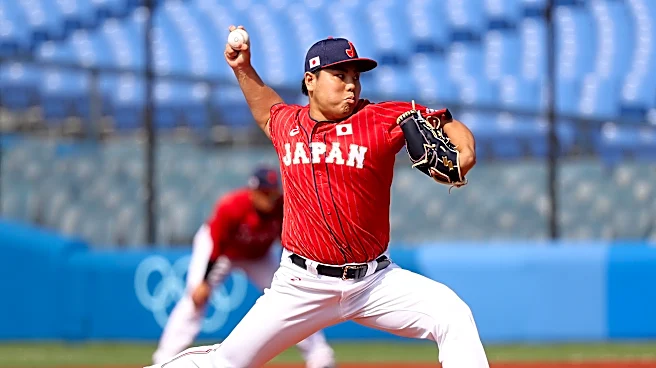
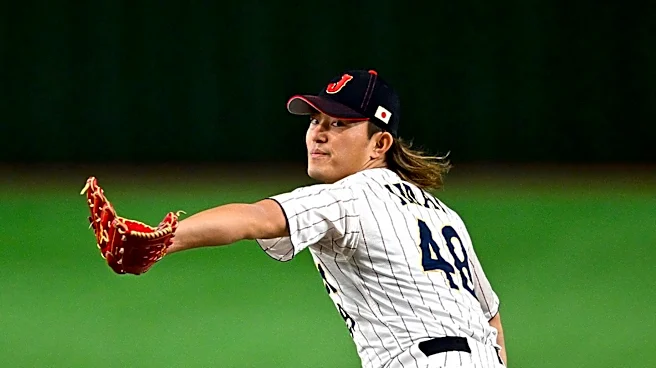
The Toronto Blue Jays have officially begun their offseason retooling by signing Japanese right-handed pitcher Kaima Taira to a five-year, $80 million contract. This move follows a disappointing 79-83 season where the team's offense was the worst in Major
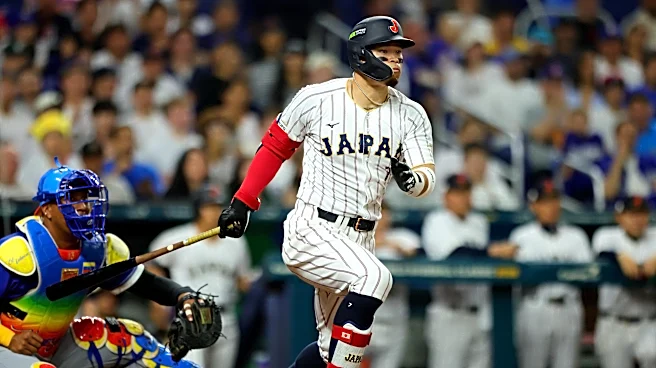
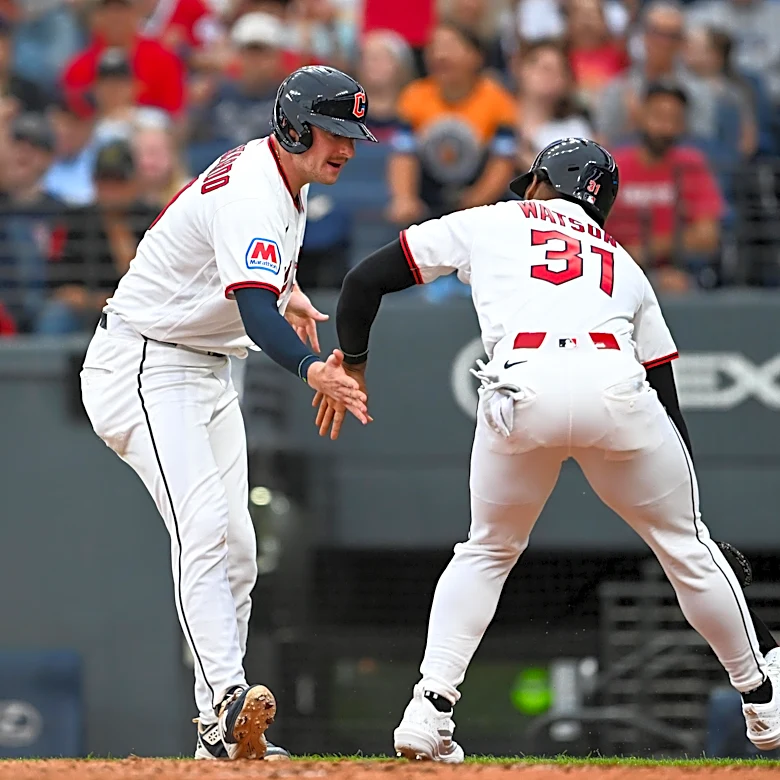
League Baseball. Taira's acquisition is expected to significantly bolster the team's pitching rotation, potentially making it elite. However, the Blue Jays recognize that this is just the initial step in a broader overhaul. The team is now shifting its focus to making multiple upgrades to its lineup, with a strong emphasis on acquiring high-upside hitters. The front office is considering both the free-agent market, with players like Seiya Suzuki being a prime target, and the trade market to address their offensive deficiencies, particularly in power and corner outfield positions. The goal is to avoid marginal upgrades and instead pursue players who can provide a substantial boost to the team's performance.
Why It's Important?
This strategic retooling by the Blue Jays is crucial for their competitiveness in Major League Baseball. A significant investment in a top-tier pitcher like Kaima Taira signals a commitment to building a strong foundation, particularly in an era where pitching depth is paramount. However, the acknowledgment that the offense requires a complete overhaul highlights a critical area of concern that, if not addressed, could undermine any pitching improvements. The pursuit of high-ceiling hitters, rather than incremental upgrades, indicates a more aggressive approach to team building. This strategy aims to avoid the pitfalls of past seasons where offensive struggles hampered the team's potential. The success of this offseason will directly impact the team's ability to contend in a competitive division and could influence fan engagement and future revenue streams. The decisions made now will shape the team's trajectory for the next several years, determining whether they can return to being a playoff contender.
What's Next?
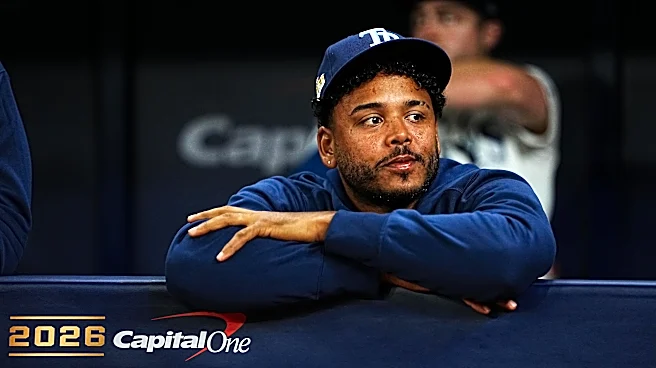
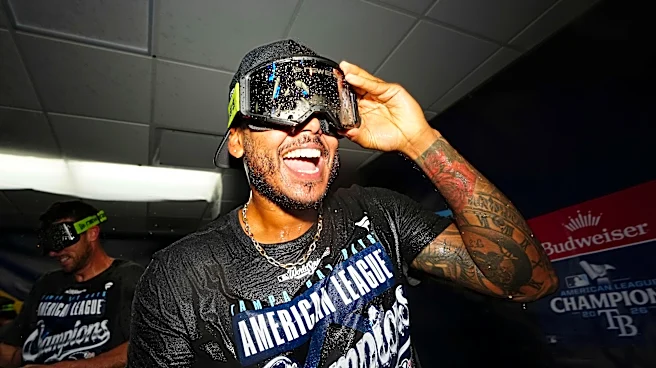
Following the signing of Kaima Taira, the Blue Jays' immediate next steps will involve aggressively pursuing offensive upgrades. The team is expected to actively engage in discussions with free-agent hitters, with Seiya Suzuki identified as a strong fit due to his power and ability to fill a corner outfield spot without depleting the farm system. Other potential targets like Jazz Chisholm Jr., Randy Arozarena, and Brandon Lowe are also being considered for their offensive upside. If the desired impact hitters are not found in the current free-agent tier, the Blue Jays may pivot to the trade market, which could require patience as the landscape evolves. In terms of pitching, Taira's workload management will be a key consideration, potentially leading to a six-man rotation or the acquisition of multi-inning relievers. The team remains active in the bullpen market, seeking higher-tier options than initially anticipated, to support the rotation and manage Taira's transition to MLB.
Beyond the Headlines
The Blue Jays' offseason strategy reflects a broader trend in professional sports where teams are increasingly willing to make significant financial commitments to address core weaknesses rather than opting for incremental changes. The emphasis on 'upside and ceiling' in player acquisitions suggests a shift towards a more analytical and forward-thinking approach to roster construction, prioritizing potential impact over established but perhaps less dynamic talent. This approach also highlights the growing importance of international talent, as evidenced by the substantial investment in Kaima Taira. The team's willingness to explore both free agency and the trade market simultaneously demonstrates a flexible and adaptive strategy, crucial in a dynamic player market. The success or failure of this comprehensive retooling could serve as a case study for other MLB franchises facing similar challenges, influencing future team-building philosophies across the league.