



What's Happening?
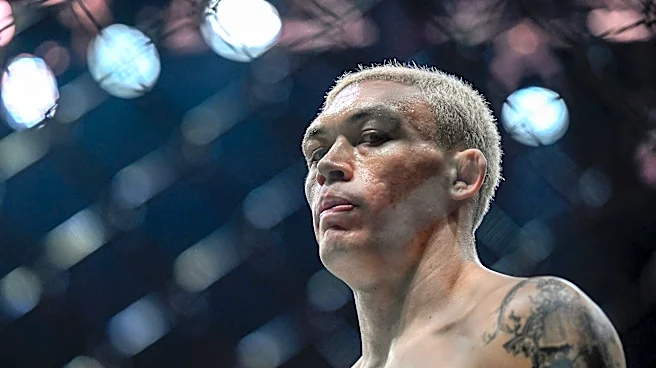
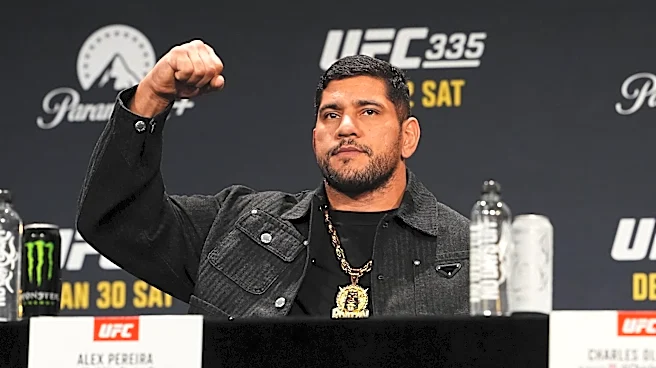
City Kickboxing head coach Eugene Bareman has definitively stated that fighters from his gym, including surging Light Heavyweight Navajo Stirling and current champion Carlos Ulberg, will not compete against each other. This declaration comes amidst speculation
that Stirling, who has earned a UFC title shot, might face his teammate Ulberg. Bareman, flanked by both fighters, publicly affirmed a long-standing agreement within City Kickboxing: members commit to not fighting one another. He emphasized that this policy has been in place since the gym's inception and is understood and agreed upon by all team members. Bareman highlighted the unique, tight-knit environment of City Kickboxing, attributing it to geographical factors that foster stronger bonds among Kiwi fighters compared to some American gyms where fighters might only train together for short periods.
Why It's Important?
This policy by City Kickboxing has significant implications for the UFC's Light Heavyweight division and the broader MMA landscape. By preventing fights between top-ranked teammates, the gym prioritizes camaraderie and team cohesion over individual championship aspirations, potentially altering the competitive dynamics of a weight class. While it preserves the integrity of the team, it could also lead to logistical challenges for the UFC in matchmaking, especially when multiple fighters from the same gym are at the top of a division. This stance contrasts with other prominent gyms where teammates have historically faced each other for titles, such as Gilbert Burns and Kamaru Usman. Bareman's explanation underscores the cultural and geographical factors that contribute to the unique bond within City Kickboxing, suggesting a different model for fighter development and team loyalty in professional combat sports.
What's Next?
With City Kickboxing's firm stance, the UFC will need to navigate matchmaking for Navajo Stirling and Carlos Ulberg carefully. Stirling, having earned a title shot, will likely face another top contender in the Light Heavyweight division, while Ulberg will continue to defend his championship against other challengers. This policy ensures that the two teammates will not meet in the Octagon, at least while both remain under the City Kickboxing banner. The decision may also influence how other gyms approach similar situations, potentially sparking discussions about the balance between team loyalty and individual career progression in MMA. The long-term impact on the Light Heavyweight division's competitive structure and the careers of both Stirling and Ulberg will depend on how the UFC adapts its matchmaking strategies.
Beyond the Headlines
The City Kickboxing policy raises ethical and philosophical questions about the nature of competition and camaraderie in individual sports. While MMA is inherently individual, the role of the team and coaching staff is paramount. Bareman's decision highlights a commitment to fostering a family-like environment, where mutual support trumps direct competition. This approach could be seen as a protective measure, safeguarding the mental and emotional well-being of fighters who train together daily and share deep personal bonds. However, it also presents a potential ceiling for individual achievement if two top-tier talents in the same weight class cannot ultimately prove who is superior within their own team. This situation forces a re-evaluation of what constitutes 'success' in professional sports—is it solely individual accolades, or does team unity and shared growth hold equal, if not greater, value?