







What's Happening?
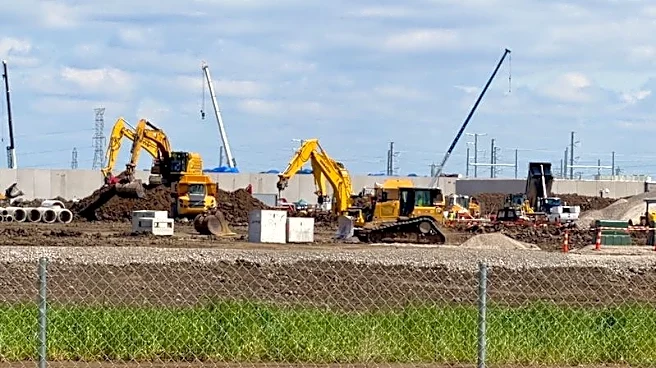
Rio Tinto and Prysmian are supplying electrical cables made with lower-carbon aluminum for an Amazon.com data center located near Columbus, Ohio, in the U.S. This project marks the first known application of inert-anode-smelted aluminum in a data center.
The aluminum used in these cables is produced using ELYSIS® inert-anode smelting technology, which replaces traditional carbon anodes with inert materials. This process eliminates direct greenhouse gas emissions from the smelting process, producing oxygen as a byproduct. The aluminum itself was produced in Québec, Canada, utilizing hydropower, and includes metal from the ELYSIS® technology, a joint venture between Rio Tinto and Alcoa. Prysmian manufactures and ships these cables from its factory in Sedalia, Missouri, U.S. While the companies highlight the reduction in direct smelting emissions, they have not provided a full lifecycle emissions comparison for the cables.
Why It's Important?
This collaboration is significant for the U.S. as it represents a tangible step towards decarbonizing critical infrastructure, particularly in the rapidly expanding data center industry. Data centers are energy-intensive facilities, and their environmental footprint is a growing concern. By incorporating lower-carbon aluminum cables, Amazon is demonstrating a commitment to reducing embodied carbon in its operations, which could set a precedent for other technology companies and industries. The use of ELYSIS® technology, which produces oxygen instead of greenhouse gases during smelting, showcases an innovative approach to industrial decarbonization. This project supports the broader U.S. goal of transitioning to a cleaner economy and reducing industrial emissions. It also highlights the importance of supply chain innovation, where partnerships between raw material producers (Rio Tinto), manufacturers (Prysmian), and end-users (Amazon) are crucial for developing and deploying sustainable solutions. The domestic manufacturing of these cables in Missouri further contributes to U.S. economic activity and job creation in the green technology sector.
What's Next?
The successful implementation of these lower-carbon aluminum cables in Amazon's Ohio data center could pave the way for broader adoption of ELYSIS® technology and similar sustainable materials across various industries in the U.S. and globally. Other data center operators and large-scale infrastructure projects may look to this initiative as a model for reducing their environmental impact. The companies involved, Rio Tinto and Prysmian, will likely use this project as a case study to promote their lower-carbon solutions to other potential clients. Further research and development into full lifecycle emissions assessments will be crucial to fully understand the environmental benefits of such technologies. The project could also spur increased investment in hydropower-based aluminum production and inert-anode smelting technologies, both within North America and internationally, as demand for sustainable materials grows. This initiative may also influence policy discussions around green building standards and procurement practices for large-scale industrial and technological developments.
Beyond the Headlines
Beyond the immediate environmental and economic benefits, this project underscores a deeper shift in corporate responsibility and consumer demand for sustainable products. Companies like Amazon are increasingly under pressure from investors, regulators, and the public to demonstrate tangible progress towards decarbonization. The adoption of lower-carbon materials in infrastructure projects reflects a growing understanding that sustainability must be integrated throughout the entire supply chain, not just in operational energy consumption. This initiative also highlights the potential for technological innovation to address complex environmental challenges in heavy industries. The ELYSIS® technology, by fundamentally altering the aluminum smelting process, represents a significant leap forward in industrial decarbonization. The long-term implications could include a re-evaluation of traditional manufacturing processes across various sectors, driving a broader transition towards more environmentally friendly production methods and fostering a circular economy where resource efficiency and emission reduction are paramount.