


What's Happening?
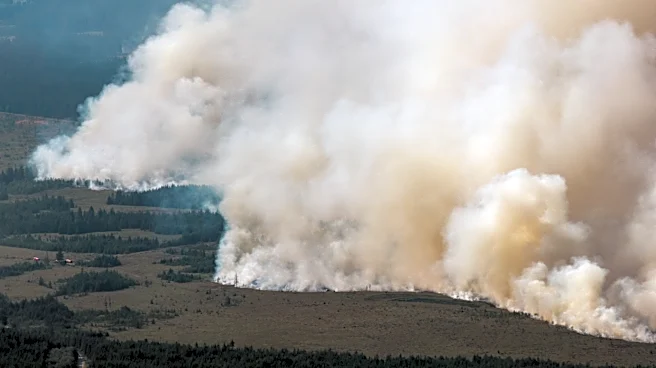
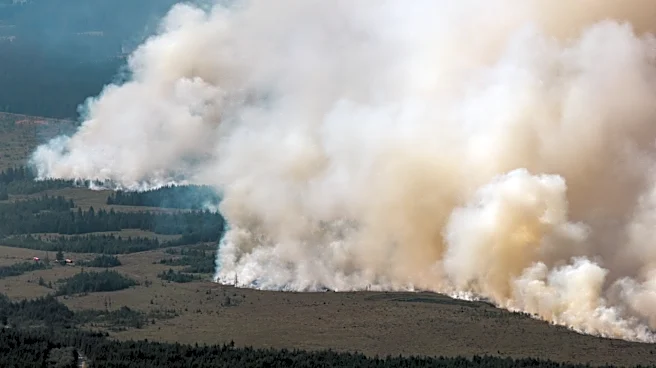
An explosion and subsequent fire occurred at Precision Punch and Tooling, a business located on Christian Lane in Berlin, Connecticut, leading to the closure of a portion of the road on Tuesday. Fire officials responded to reports of an explosion within
the building, which resulted in a fire. Upon arrival, crews observed heavy smoke emanating from a manufacturing area, with employees still in the process of evacuating the premises. Firefighters were able to quickly bring the blaze under control, largely due to the efforts of employees who used fire extinguishers to contain the fire. One employee sustained a minor laceration, and several others were evaluated for smoke inhalation, though none required hospitalization. According to Chief John Massirio of the Berlin Fire Department, the incident was caused by a stray spark igniting cooling oil during a grinding process, which then entered a portion of the ventilation system. The Connecticut Department of Energy and Environmental Protection (DEEP) was called to assist with chemical identification and hazard mitigation. Berlin police closed Christian Lane between the Route 9 ramps and Deming Road, advising drivers to seek alternative routes.
Why It's Important?
This incident highlights critical aspects of industrial safety, emergency response, and environmental protection within manufacturing facilities. The rapid containment of the fire by employees using extinguishers underscores the importance of workplace safety training and the availability of appropriate safety equipment. The involvement of the Connecticut DEEP signifies the potential for environmental hazards when industrial materials like cooling oil are involved in fires, emphasizing the need for specialized expertise in managing such situations. The closure of a significant road segment, Christian Lane, demonstrates the immediate disruption that industrial accidents can cause to local infrastructure and daily commutes, impacting businesses and residents in the area. Furthermore, the minor injuries sustained by employees serve as a reminder of the inherent risks in manufacturing environments and the necessity of stringent safety protocols to protect workers. This event could prompt reviews of safety procedures and emergency preparedness plans in similar industrial settings across Connecticut to prevent future occurrences and ensure quicker, safer responses.
What's Next?
Following the incident, investigations will likely continue to determine the exact sequence of events that led to the explosion and fire. The Connecticut DEEP will continue its work on chemical identification and hazard mitigation to ensure the site is safe and any environmental impact is addressed. Precision Punch and Tooling will likely conduct an internal review of its safety protocols and equipment maintenance to prevent similar incidents. There may be recommendations for improvements in industrial safety standards, particularly concerning the handling of flammable materials and ventilation systems in manufacturing processes. Local authorities will monitor the situation to ensure all necessary safety and environmental regulations are met before the business fully resumes normal operations. The incident could also lead to increased scrutiny from regulatory bodies on other industrial facilities in the region to ensure compliance with safety and environmental guidelines. For the affected employees, follow-up medical checks may be necessary, and support for any psychological impact of the event could be considered.
Beyond the Headlines
This event, while seemingly localized, touches upon broader themes of industrial responsibility, community safety, and the delicate balance between economic activity and environmental protection. The ignition of cooling oil during a grinding process points to the inherent risks in industrial operations and the constant need for vigilance in maintaining machinery and safety systems. The involvement of DEEP underscores the increasing awareness and regulatory focus on the environmental footprint of industrial accidents, moving beyond immediate human safety to include ecological considerations. This incident could serve as a case study for other manufacturing businesses, prompting them to re-evaluate their risk assessments, emergency response plans, and employee training programs. It also highlights the interconnectedness of local emergency services, with the Rocky Hill Fire Department providing support, demonstrating the collaborative nature of disaster response. In the long term, such incidents contribute to the ongoing dialogue about industrial zoning, the proximity of residential areas to manufacturing plants, and the public's right to know about potential hazards in their communities. The event reinforces the idea that industrial safety is not just an internal business concern but a matter of public health and environmental stewardship.