






What's Happening?
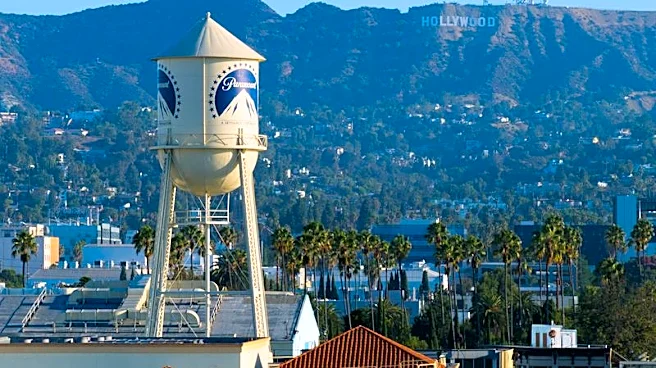
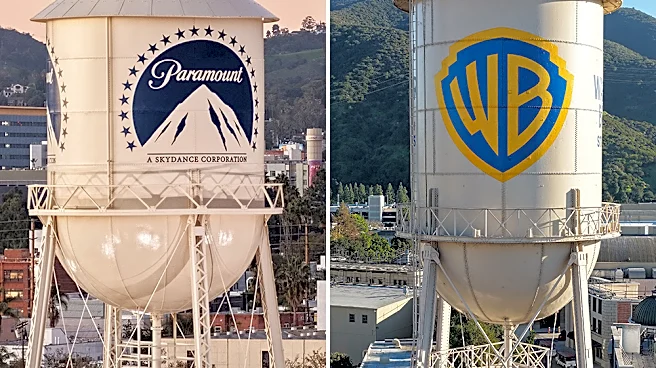
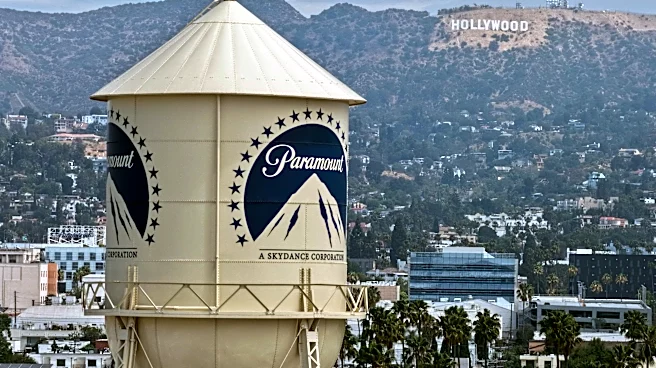
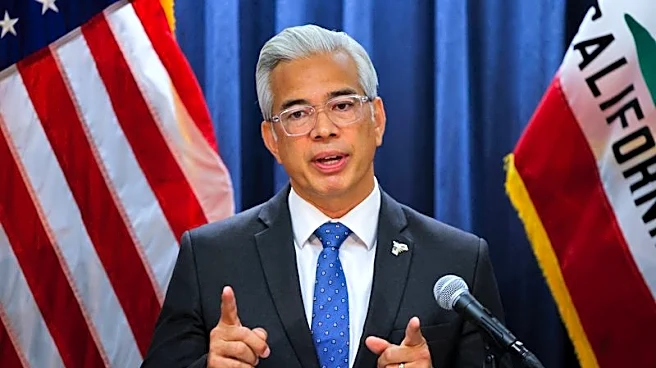
California Attorney General Rob Bonta has announced a settlement that will permit the merger between Paramount and Warner Bros. Discovery to proceed. Bonta led a coalition of 12 states that had previously sued to block the acquisition. The settlement was
reached after negotiations, with Bonta stating a preference for resolving such issues in the boardroom rather than the courtroom when a strong solution protecting competition and consumers can be found. Warner Bros. Discovery CEO David Zaslav indicated in a memo to staffers that the merger is expected to close no later than early October. This merger is poised to combine Paramount's film and television studios, CBS, and the Paramount+ streaming service with Warner's studios, HBO, CNN, and other cable networks. The Federal Communications Commission (FCC) under President Trump had previously approved Paramount’s request to exceed the standard 25-percent cap on foreign broadcast ownership, a significant factor in facilitating this large-scale media consolidation.
Why It's Important?
This settlement is important as it clears a major regulatory hurdle for one of the largest media mergers in U.S. history, significantly reshaping the entertainment and news landscape. The consolidation of such vast media assets under a single entity could have profound implications for competition, content diversity, and consumer choice. Paramount has made several commitments as part of the settlement, including releasing 30 films per year in theaters and establishing an independent news editorial board to support CBS News. Furthermore, CNN is promised continued 'editorial independence' and a commitment to 'independent, objective, fact-based reporting.' These commitments aim to mitigate concerns about media concentration and ensure journalistic integrity, but their long-term effectiveness will be closely watched. The merger will also dramatically expand the media ownership of Paramount CEO David Ellison and his father, Larry Ellison, co-founder of Oracle, further concentrating influence within the media sector.
What's Next?
With the settlement in place, the Paramount-Warner Bros. Discovery merger is expected to close by early October. Following the closure, the focus will shift to the integration of the vast array of film studios, television networks, and streaming services. Stakeholders, including consumers, content creators, and regulatory bodies, will be observing how the newly formed entity adheres to the commitments made during the settlement, particularly regarding film releases and the editorial independence of news outlets like CBS News and CNN. The market will also be watching for potential impacts on subscription prices, content availability across platforms, and the competitive landscape for streaming services. The expansion of the Ellison family's media ownership will likely lead to further scrutiny of their strategic decisions and influence within the industry.
Beyond the Headlines
The approval of this mega-merger, despite initial legal challenges from a coalition of states, highlights the ongoing trend of consolidation within the U.S. media industry. This trend raises deeper questions about the future of media ownership, journalistic independence, and the potential for reduced diversity in content and viewpoints. While commitments to editorial independence and film output are part of the settlement, the practical implementation and long-term adherence to these promises in a highly competitive and profit-driven environment remain a critical concern. The increased concentration of media power could influence public discourse, political narratives, and cultural trends, making the role of independent oversight and consumer advocacy more crucial than ever. The FCC's prior approval to exceed foreign broadcast ownership caps also underscores the evolving regulatory environment and its impact on the structure of major U.S. industries.