

What's Happening?
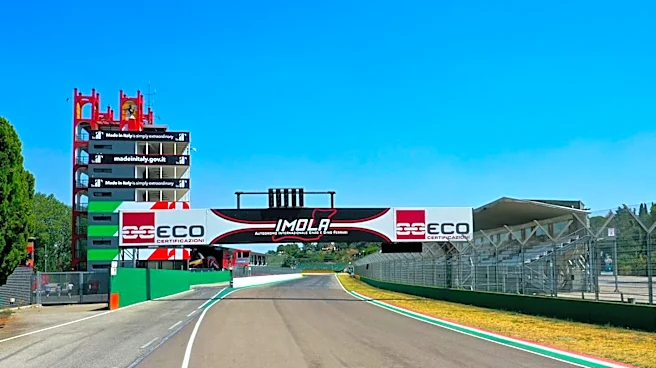
Formula 1 has officially decided to proceed with its plans to conclude the 2026 season with the final two rounds in the Middle East, specifically in Qatar and Abu Dhabi. This decision comes after a contingency plan to use Imola, Italy, as a replacement
venue was canceled. Imola organizers were informed on Tuesday that their circuit would not be needed, confirming F1's intention to hold the Qatar Grand Prix from November 27-29 and the Abu Dhabi Grand Prix from December 4-6. Earlier in the year, F1 had to cancel races in Bahrain and Saudi Arabia due to ongoing conflict in the region, leading to doubts about the final races. However, F1 President Stefano Domenicali has consistently stated that the races would proceed unless the situation significantly deteriorated, prioritizing the safety of all involved. FIA President Mohammed Ben Sulayem also affirmed readiness for the events, stating that the sport's governing body is "fully prepared" for a spectacular conclusion to the championship.
Why It's Important?
This decision underscores Formula 1's commitment to its global calendar and its strategic presence in the Middle East, a region that has become a significant financial and logistical hub for the sport. The confirmation of these races, despite ongoing regional conflicts, highlights the complex balance between commercial interests and safety considerations. For the U.S. audience, particularly fans of motorsports, this means the 2026 F1 season will conclude as originally planned, following the Las Vegas Grand Prix. The successful staging of MotoGP's Qatar event recently without incident likely bolstered confidence in the region's ability to host major international sporting events. The financial implications are substantial, as F1 has invested heavily in these venues, and their cancellation would have resulted in significant losses and potential contractual disputes. The decision also reflects F1's confidence in its comprehensive evacuation plans and its continuous communication with local authorities to ensure the safety of teams, drivers, and personnel.
What's Next?
With Imola officially stood down, Formula 1 will now focus entirely on the upcoming races, starting with the Las Vegas Grand Prix from November 20-22, followed by the confirmed Qatar and Abu Dhabi Grands Prix. Teams and drivers will continue their preparations for these final events, with no further contingency plans for alternative venues being actively pursued for the 2026 season finale. While F1 has expressed confidence in the safety measures and regional stability, the situation in the Middle East remains dynamic. The sport's leadership has indicated that they would not hesitate to cancel the races if conditions change significantly, emphasizing that safety remains the top priority. This ongoing vigilance means that while the current plan is firm, F1 will likely maintain close monitoring of geopolitical developments in the region leading up to the races.
Beyond the Headlines
The decision to proceed with the Middle Eastern races raises broader questions about the intersection of global sports, geopolitics, and ethical considerations. While F1 emphasizes safety protocols and communication with authorities, the presence of major international events in regions experiencing conflict can draw scrutiny regarding the potential for 'sportswashing' or normalizing situations. The financial incentives for F1 and host nations are substantial, making such decisions complex. This situation also highlights the logistical challenges and preparedness required for a global sport, including comprehensive evacuation plans and continuous risk assessment. The trust placed by teams and drivers in F1's judgment, despite earlier cancellations, suggests a strong internal consensus on the viability of these events under current conditions. This event could set a precedent for how major sports organizations navigate similar geopolitical complexities in the future, balancing commercial imperatives with ethical responsibilities and participant safety.